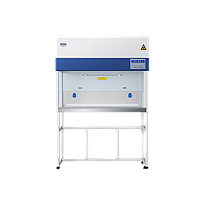
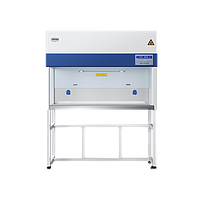
Biological Safety Cabinets
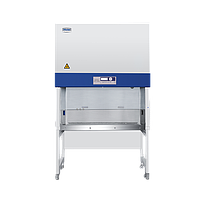
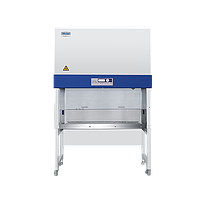
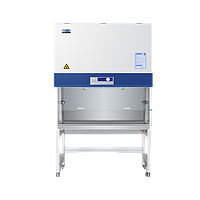
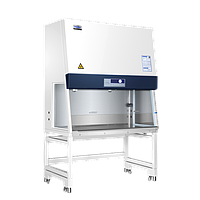
When laboratory work involves infectious samples, aerosol-generating procedures, or contamination-sensitive handling, airflow control becomes a critical part of the process. Biological Safety Cabinets are designed for that purpose: they help protect the operator, the product, and the surrounding environment through controlled air movement and high-efficiency filtration.
On this page, you can explore cabinet solutions commonly used in microbiology, pharmaceutical, clinical, and research laboratories. The category includes a range of Class II configurations and related equipment for different workspace sizes, installation conditions, and operating preferences.
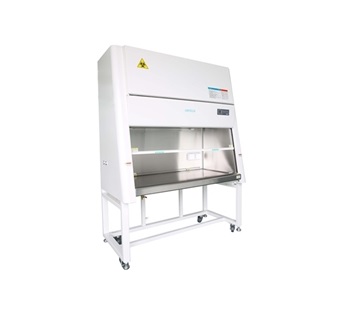
Why biological safety cabinets are used in modern laboratories
A biological safety cabinet is intended for work that may release bioaerosols or expose the user to potentially hazardous biological material. In practice, the cabinet creates a controlled work zone where incoming and recirculated air pass through HEPA or ULPA filtration, helping reduce contamination risks during routine handling.
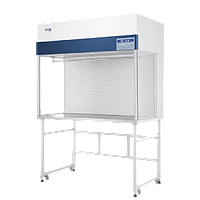
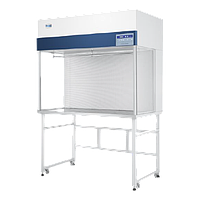
This type of protection is important in several directions at once. The user benefits from an inward airflow barrier, the sample is shielded from many contaminants present in room air, and exhaust air is filtered before release. For broader cleanroom workflows, users may also compare cabinet-based containment with open-front clean bench systems, which serve a different purpose and are not a substitute for biosafety containment.
How airflow and filtration support protection
The core principle is controlled vertical airflow combined with high-efficiency filters. Many cabinets in this category use Class II A2 designs with downflow air inside the work area and filtered exhaust handling. This arrangement is commonly selected for laboratory applications where both personnel and sample protection are required.
Filtration performance is often based on HEPA or ULPA media, depending on model design. In the featured range, examples include systems with H14 HEPA filtration, ULPA filtration with very high fine-particle efficiency, and recirculation/exhaust layouts tailored to cabinet class. While exact performance should always be checked on each product page, the overall function remains the same: maintaining a cleaner work zone while limiting the escape of hazardous particles.
Typical configurations found in this category
Most products shown here belong to the Class II A2 segment, which is widely used in laboratory environments. These cabinets are available in several working widths, allowing users to match the cabinet to sample throughput, instrument placement, and operator comfort. Compact options support smaller work areas, while larger models are more suitable for wider workflows or multi-item handling.
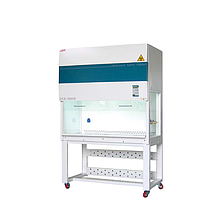
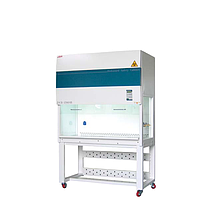
For example, the JEIOtech JB-12A, JB-15A, and JB-18A represent a stepped range of cabinet sizes with vertical laminar airflow and filtered operation. The DaiHan BSC-12, BSC-15, and BSC-18 series follow a similar logic, giving buyers a clear path from smaller to larger working spaces. Some laboratories may also need adjacent airflow-control equipment such as an air shower at the room entry stage to support cleaner personnel movement into controlled areas.
Representative brands and product examples
This category includes solutions from established laboratory equipment manufacturers such as ESCO, JEIOtech, Telstar, DaiHan, and SH Scientific. Each brand may emphasize different design priorities, such as cabinet footprint, controller style, airflow volume, lighting level, or support accessories.
Examples in the range include the Telstar BiOptima 4 Biological Safety Cabinet, designed around controlled airflow, H14 filtration, and high illumination for detailed bench work. JEIOtech JB-series cabinets provide multiple size options for Class II A2 applications, while DaiHan BSC models add practical ecosystem items such as optional stands. SH Scientific models such as SH-HD-900B, SH-HD-1500B, and SH-HD-1900B illustrate how cabinet dimensions can be matched to workspace demand. In addition, specialized equipment like the ESCO PCR-3A1-C PCR cabinet may be relevant when the task is focused on PCR preparation rather than general biosafety workflows.
What to consider before selecting a cabinet
The first point is the protection objective. Some applications prioritize operator and environmental protection, while others also need a clean work zone for the product. The cabinet class, airflow pattern, and filtration design should be reviewed in relation to the actual procedure being performed, especially when aerosols are likely to be generated.
The second point is usable working area. External dimensions matter for installation, but internal dimensions and sash opening affect how practical the cabinet is during daily use. It is also worth checking lighting level, noise, utility ports, power requirements, and whether a stand is included or optional. For larger containment layouts, some sites may pair cabinets with a ventilation chamber or other room-level airflow equipment depending on facility design.
Maintenance is another practical factor. Filters are consumable components, and replacement intervals depend on use conditions, contamination load, and validation requirements. A cabinet should be selected not only for initial performance, but also for long-term serviceability, testing access, and fit within the lab’s operating procedures.
Standards and compliance context
When evaluating a biological safety cabinet, buyers often look for alignment with recognized standards used in testing and laboratory practice. In general market discussions, NSF/ANSI 49 and EN 12469 are among the most frequently referenced frameworks for microbiological safety cabinets. These standards help define expectations around performance, construction, and field testing.
That said, certification status and compliance details must be confirmed on the individual model or manufacturer documentation rather than assumed across an entire category. This is especially important for regulated industries, GMP-related environments, and laboratories with formal validation procedures.
Accessories and related equipment in the workflow
A cabinet does not always operate as a stand-alone purchase. In some setups, accessories such as support stands, caster-based frames, or integrated electrical outlets affect ergonomics and installation flexibility. The DaiHan DH.BSC12S stand is a simple example of how supporting hardware fits into the overall cabinet ecosystem rather than replacing the cabinet itself.
Beyond the cabinet, contamination control often depends on surrounding procedures and consumables. Cleaning tools, room entry control, and supporting cleanroom products can all influence day-to-day performance. Even straightforward items such as dustcloths and mops for cleanroom use play a role in maintaining the environment around the protected work area.
Choosing the right option for your lab
The right cabinet depends on how your laboratory balances biosafety requirements, available floor space, workflow volume, and maintenance planning. A smaller Class II A2 unit may be enough for routine sample handling, while larger cabinets are often preferred when procedures require more working width or multiple materials inside the chamber.
If you are comparing models in this category, focus on the practical points that affect real use: cabinet class, airflow concept, filtration type, working area, utilities, and installation format. With that approach, it becomes easier to narrow the range and identify a biological safety cabinet that fits your laboratory process without over-specifying the system.
Get exclusive volume discounts, bulk pricing updates, and new product alerts delivered directly to your inbox.
By subscribing, you agree to our Terms of Service and Privacy Policy.
Direct access to our certified experts