Understanding these battery types not only helps ensure safe operation but also supports more effective maintenance and replacement, avoiding unnecessary costs.
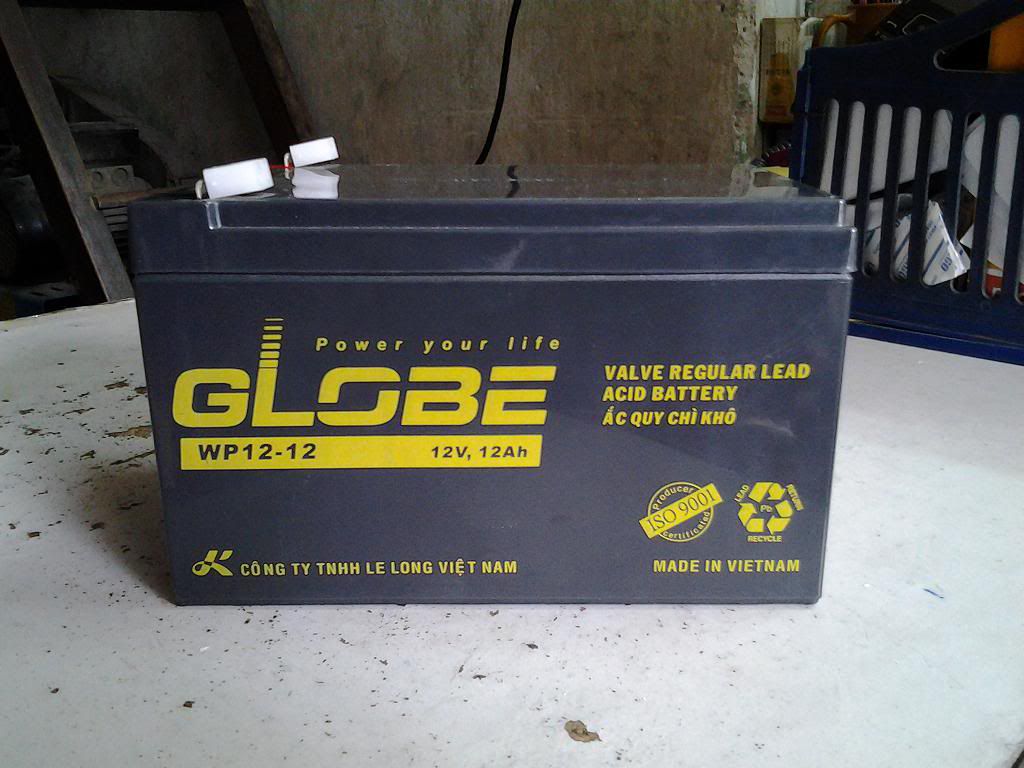
Sealed Lead-Acid Batteries (VRLA) - The Most Common Choice
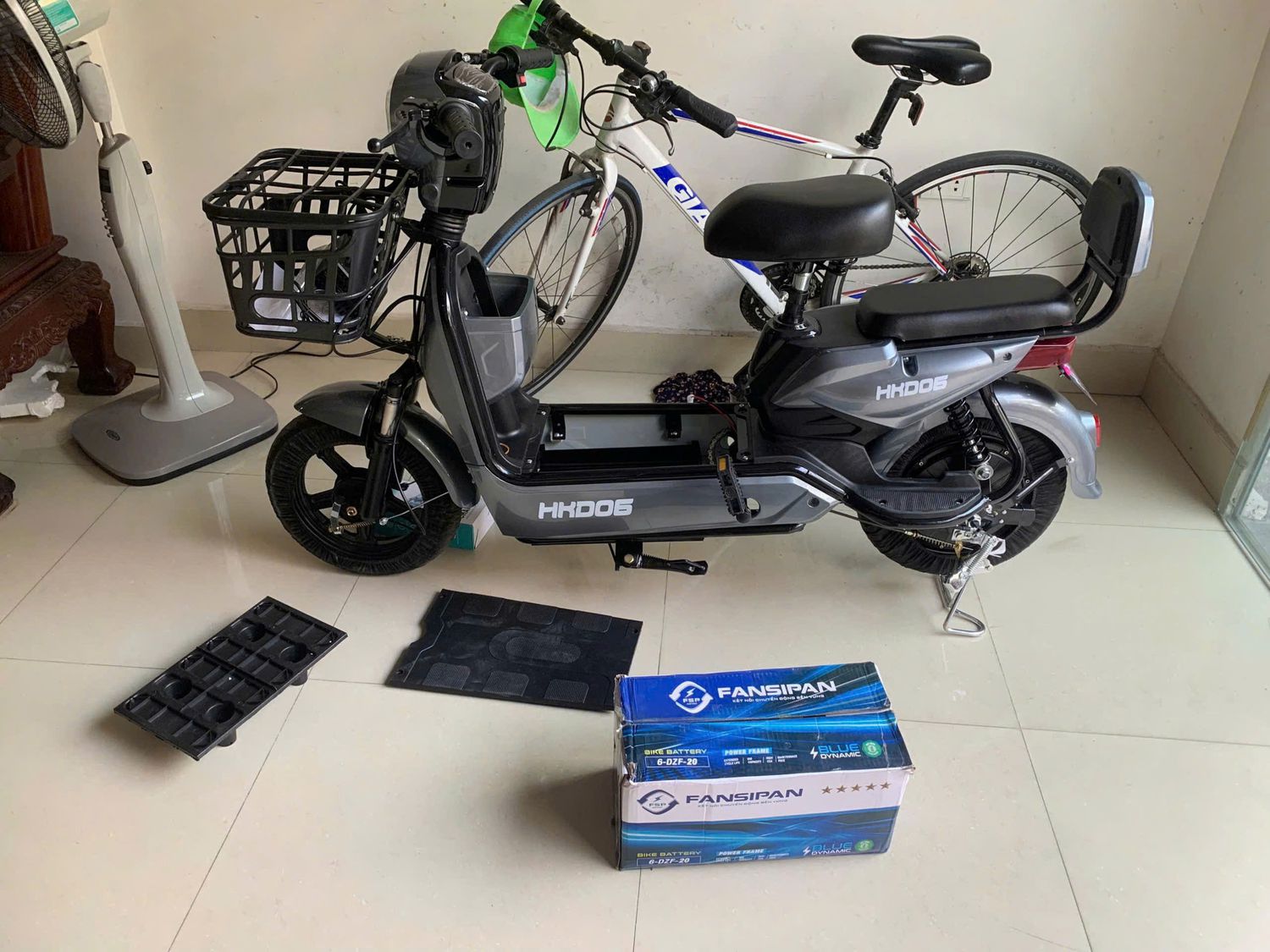
Sealed lead-acid (VRLA) batteries are the traditional option and are still widely used, especially in popular electric bikes in Vietnam.
These batteries consist of lead plates immersed in sulfuric acid electrolyte. In dry-type versions, the electrolyte is absorbed into fiberglass mats (AGM), which improves vibration resistance and prevents leakage even when tilted.
Pros: Very affordable, easy to find and replace at almost any repair shop.
Cons: Heavy weight (around 15–20 kg for a 4-battery set) and relatively short lifespan (1–2 years).
If your lead-acid battery pack suddenly loses power quickly, don’t rush to replace the entire set. Often, only one battery fails due to sulfation. In such cases, using specialized internal resistance testers is essential to measure each unit and make a cost-effective replacement decision.
Lithium-ion Batteries (Li-ion) – Green Technology for Modern EVs
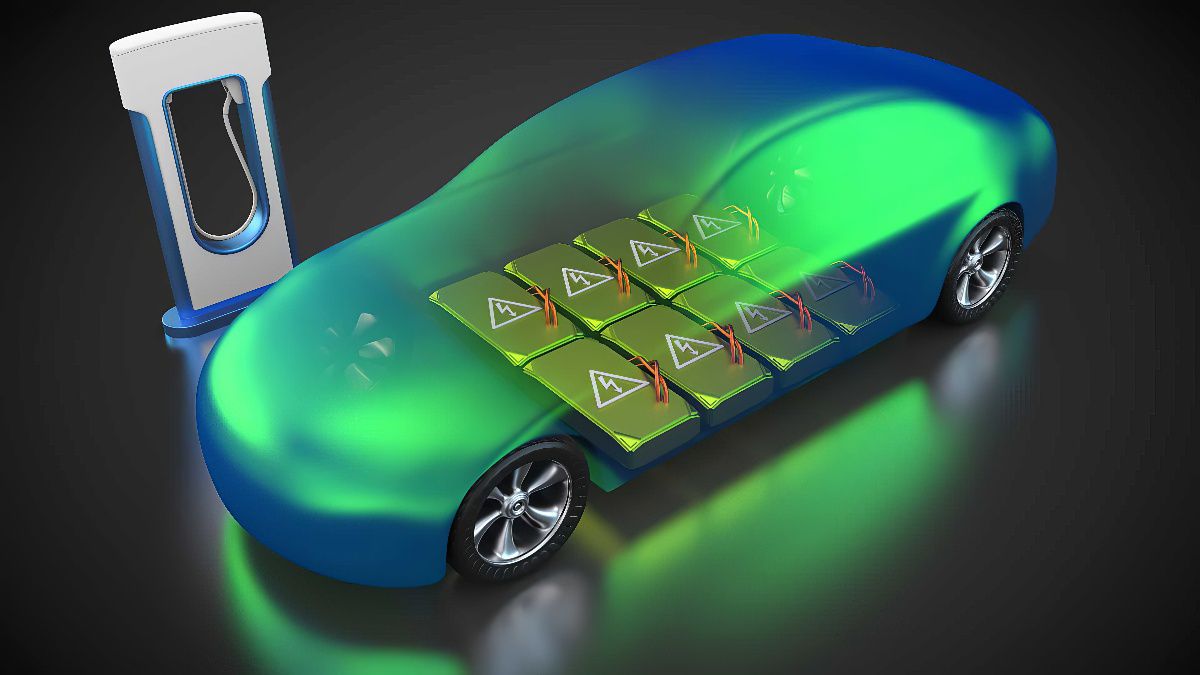
Lithium-ion batteries are an advanced technology commonly used in next-generation electric bikes and high-performance electric motorcycles. They are gradually replacing traditional battery systems.
Pros: Extremely lightweight only about 1/4 the weight of a comparable lead-acid battery pack. High energy density allows longer travel distance and more stable performance. They can withstand up to 1000 charge cycles, offering three times the lifespan of lead-acid batteries.
Cons: Highly sensitive to temperature and voltage. For safety, users and technicians often need battery testing equipment to monitor cell imbalance and state of health (SOH), helping prevent fire hazards.
Lithium Iron Phosphate (LiFePO4) – The Most Durable Solution
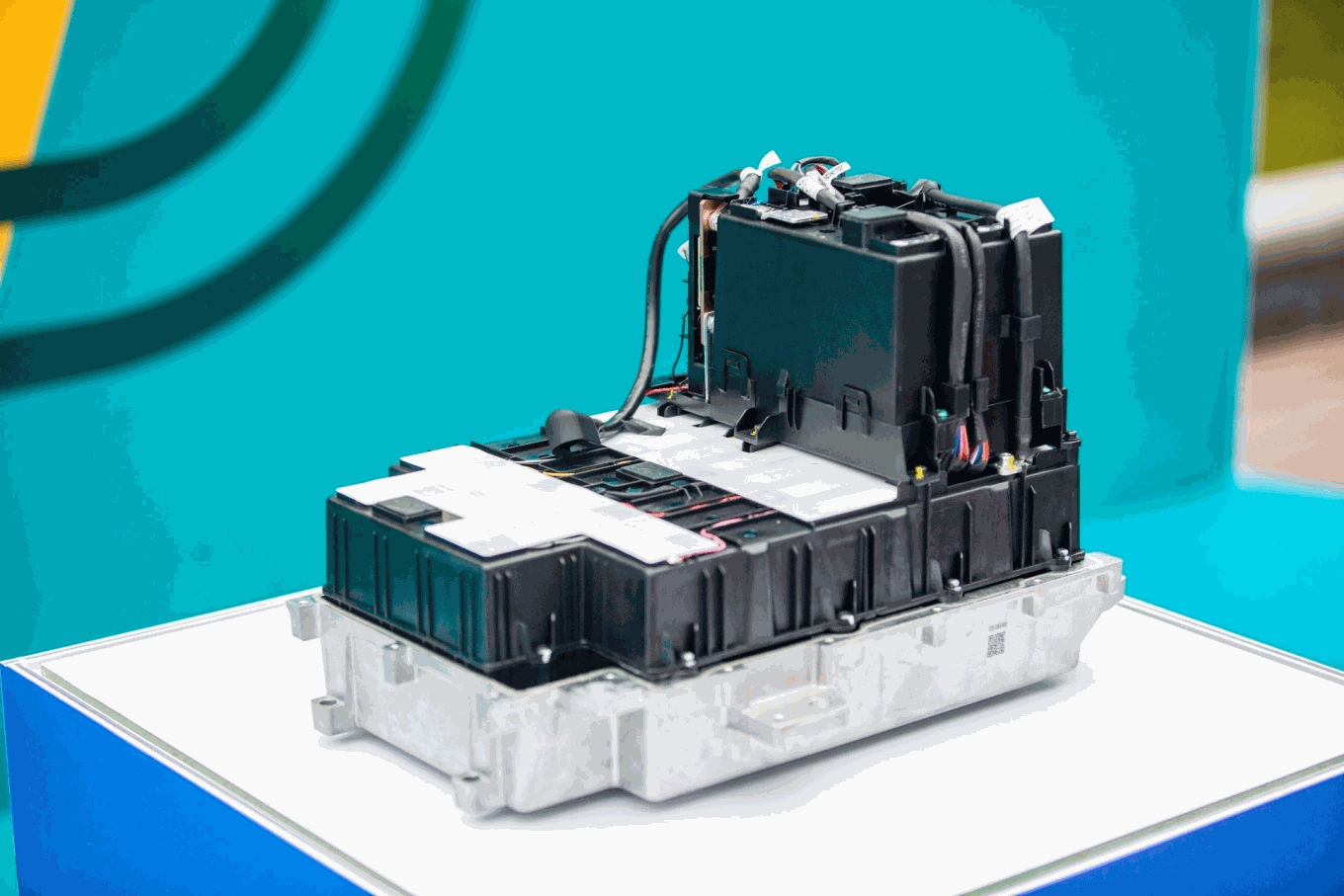
LiFePO4 (LFP) is the latest battery technology, addressing many limitations of traditional batteries. Thanks to its stable chemical structure, it generates minimal heat even under fault conditions, significantly reducing fire risks.
Although the initial cost is higher, its lifespan of 7–10 years makes it a smart and cost-effective long-term investment.
Why Should Users Understand These Battery Types?
Not only manufacturers and technicians but also everyday users should have basic knowledge about electric vehicle batteries. This helps ensure proper usage and prevents being overcharged by unreliable repair services.
You don’t need deep technical expertise just understanding the basics can help:
Knowing about internal resistance helps you decide when to replace a single battery instead of the whole pack.
Understanding battery types ensures you use the correct charger, preventing swelling or fire risks.
Familiarity with specifications helps you choose the right battery for your motor capacity, ensuring optimal performance.
Where Should You Check Battery Health?
If your vehicle shows signs like reduced power, fast discharge, or poor climbing ability, you should visit a reputable service center and request testing with professional equipment never rely on guesswork.
Measurement solutions from EMIN, such as battery internal resistance and capacity testers, can:
Provide precise readings of internal resistance (mΩ) and actual capacity (Ah).
Predict remaining battery life (state of health).
Identify faulty batteries within a pack that are reducing overall performance.
Tips to Extend Battery Lifespan
To maximize battery durability, follow these guidelines:
Let the battery rest before charging: Wait about 30 minutes after use to allow it to cool down.
Recharge at 20–30% capacity: Avoid fully draining the battery before charging, as it accelerates degradation.
Use the correct charger: Never use a lithium charger for lead-acid batteries and vice versa.
Understanding battery types and proper maintenance practices helps you use your electric vehicle more safely and efficiently.
For more detailed information about professional testing equipment and expert technical advice, feel free to contact EMIN.