Battery
Reliable power storage is a basic requirement in modern tools, portable instruments, field devices, and many embedded systems. When buyers search for the right Battery category, they are often balancing runtime, voltage compatibility, charging method, weight, and integration with the equipment already in use. That is especially important in B2B purchasing, where battery selection affects uptime, maintenance planning, and replacement cycles across multiple devices.
This category brings together battery solutions used in technical and industrial environments, from rechargeable packs for handheld tools to application-specific batteries for measuring and inspection equipment. Whether the need is for a replacement unit, a spare battery for longer field operation, or support for an existing equipment ecosystem, choosing the right format and chemistry helps reduce interruptions and improve daily workflow.
Where battery selection matters in technical applications
In industrial and professional use, batteries are more than consumables. They directly influence how long a device can stay operational between charges, how portable the equipment remains, and how practical it is for field teams, service engineers, or production staff working across shifts.
This is why battery purchasing usually starts with the application. A compact rechargeable pack may be suitable for lightweight handheld tools, while a higher-capacity Li-ion battery may be preferred for inspection devices or instruments that need extended operation. Buyers comparing options in this category may also find it useful to review related connector components when battery integration and replacement interfaces are part of the wider design or maintenance task.
Common battery types found in this category
The products highlighted here show a clear focus on rechargeable batteries, especially lithium-based formats used in portable equipment. Rechargeable batteries are widely chosen in technical environments because they support repeated charging cycles, reduce disposable battery waste, and fit equipment that requires dependable portable power.
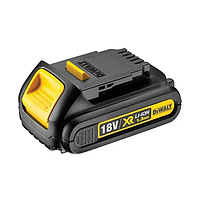
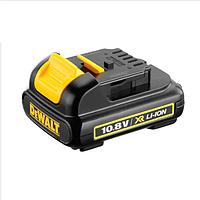
Examples in this category include the BOSCH 1600A001Z9 GBA Battery rated at 18V 5.0Ah, the Drager RRC2020 Rechargeable Li-ion Battery with a high-capacity 99.6Wh format, and the BYK 6359 Rechargeable Battery Pack designed as an accessory for BYK-mac i. There are also DEWALT battery options such as the DCB125-B1 rechargeable battery and the DCF815NKR battery pack, showing how battery choice often depends on the intended tool platform or instrument family rather than capacity alone.
How to evaluate the right battery for your equipment
The first check should always be compatibility. In practical purchasing terms, that means matching the required voltage, battery type, and supported device platform. Even when two batteries appear similar, differences in housing, contact layout, or charging requirements can make them unsuitable as substitutes.
Capacity is the next major factor. Higher Ah or Wh values generally support longer operating time, but buyers should also consider weight and handling. For example, an 18V 5.0Ah pack may be ideal when runtime is the priority, while a smaller 10.8V battery may better suit compact equipment where reduced size and lower mass improve usability. In systems where battery safety and electrical reliability are critical, related circuit protection products may also be relevant as part of the broader power design.
Examples from leading manufacturers in this range
Several recognized brands appear in this category, each serving different equipment ecosystems. BOSCH is represented by the 1600A001Z9 GBA Battery, a rechargeable 18V pack with 5.0Ah capacity that suits users looking for a balance between runtime and portability in compatible tools. DEWALT appears with both compact and standard battery options, including the DCB125-B1 and DCF815NKR, which illustrate how battery ranges can address different voltage classes and usage patterns.
For instrument-specific applications, Drager and BYK provide a different kind of value. The Drager RRC2020 Rechargeable Li-ion Battery is positioned for portable equipment that may require substantial energy storage in a dedicated form factor, while the BYK 6359 Rechargeable Battery Pack functions as an accessory for BYK-mac i equipment. These examples show that battery selection in B2B environments is often tied to the manufacturer ecosystem as much as to raw specifications.
Battery replacement, spares, and maintenance planning
Many business buyers are not sourcing batteries for a one-time purchase. They are planning replacements for installed equipment, maintaining spare units for technicians, or standardizing inventory across teams. In those cases, clear identification of model code, voltage class, and battery chemistry helps avoid ordering errors and unnecessary downtime.
It is also useful to think about the operating context. Devices used in field service, testing, inspection, or daily industrial tasks often benefit from keeping one charged spare available. If procurement teams are managing a wider stock of power-related items, browsing the broader battery product range can help align replacement planning with existing equipment requirements and purchasing schedules.
What to look for before placing an order
Before selecting a battery, buyers should confirm several practical points: device compatibility, original model reference, rechargeable chemistry, capacity, and physical format. Weight can also matter in handheld use, especially where operators carry the device for long periods or use multiple tools during a shift.
A careful review of these details is especially important for replacement batteries tied to specific brands or instruments. A battery pack designed as an accessory for one measuring device should not be treated the same as a general-purpose battery for tools. The best results usually come from matching the battery to the intended equipment family first, then comparing capacity and handling characteristics within that compatible group.
Choosing with long-term use in mind
Battery purchasing is ultimately about maintaining reliable operation in real working conditions. For some users, that means maximizing runtime; for others, it means keeping equipment lightweight, ensuring easy replacement, or staying within a preferred manufacturer platform. The right choice depends on how the battery will be used day after day, not only on headline numbers.
This category is designed to support that comparison process with options from well-known brands and practical battery formats used in professional settings. If you are sourcing replacements or building a dependable spare inventory, focusing on compatibility, capacity, and the device ecosystem will make the selection process much more efficient.
Get exclusive volume discounts, bulk pricing updates, and new product alerts delivered directly to your inbox.
By subscribing, you agree to our Terms of Service and Privacy Policy.
Direct access to our certified experts