
Heavy Duty Power Connectors
Reliable power distribution in demanding equipment depends on more than current rating alone. In industrial cabinets, mobile machinery, transportation systems, and rugged field installations, connector choice affects uptime, maintenance effort, and long-term safety. This is why Heavy Duty Power Connectors are often selected for applications where mechanical strength, secure mating, and stable electrical performance matter as much as the electrical interface itself.
Within broader power interconnect systems, this category supports engineers, panel builders, and procurement teams looking for connector solutions suited to harsher operating environments. It is especially relevant when a standard consumer-style interface is not appropriate, or when the assembly must tolerate vibration, repeated connection cycles, cable movement, or more demanding installation conditions.
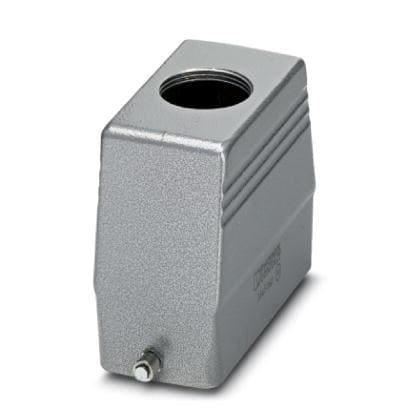
Where heavy duty power connectors are typically used
These connectors are commonly considered in industrial automation, power distribution assemblies, machine wiring, mobile equipment, and other installations where connectors may be exposed to stress during service. In many cases, the goal is to create a dependable interface between cable assemblies, power modules, and field devices without introducing weak points into the system.
Compared with lighter-duty interconnect options, heavy-duty designs are often chosen when the application includes larger conductors, more robust housings, or a need for secure locking and environmental resilience. If the project instead calls for more application-specific interfaces, users may also compare nearby categories such as AC power connectors or DC power connectors depending on the power source and equipment architecture.
What to evaluate when selecting a connector
The right selection starts with the electrical load, but that is only one part of the decision. Buyers should also review mating style, cable entry, available contact arrangement, mounting constraints, and whether the connector will be assembled in the field or pre-terminated as part of a harness. For industrial projects, it is equally important to think about serviceability and how easily the connector can be inspected or replaced during maintenance.
Mechanical demands are often the deciding factor. A connector used on a machine frame, power distribution box, or mobile assembly may need to handle repeated plugging, shock, cable strain, and limited installation space. In these cases, a rugged connector housing and a stable retention method can be just as important as the nominal power connection.
Examples from the current range
The product mix in this category includes both discrete wire housing options and power-oriented connector parts. For example, the Amphenol AT06-4S-SR02WHT Connector Discrete Wire Housing and the Amphenol AT04-08PC-L012 Connector Discrete Wire Housing are representative of cable-side interconnect components used in structured wiring assemblies where secure wire organization and reliable mating are required.
For power-focused applications, parts such as the Amphenol SLPRBTNNR Connector Power, Amphenol SLPRATPSO Connector Power, and Amphenol SLPIRC85CPNO1 Connector Power illustrate the role of dedicated connector components within higher-current or more robust power connection systems. Other examples in the range, including the Amphenol ARC12-70PA Connector Discrete Wire Housing and ATHD06-1-8S-E003 Connector Discrete Wire Housing, show that this category can support different connection formats and assembly approaches rather than one single connector style.
Manufacturer context and sourcing considerations
A large share of the featured products here comes from Amphenol, a widely specified manufacturer for connector systems used across industrial and equipment-level applications. Depending on project requirements, buyers may also compare related offerings from other established connector suppliers in the wider ecosystem, including names such as AMP Connectors - TE Connectivity, Aptiv, and Amphenol Industrial where compatibility, sourcing preference, or platform standardization is part of the procurement process.
For purchasing teams, manufacturer consistency can simplify qualification, documentation review, and ongoing replenishment. For engineering teams, staying within a known connector family may help reduce redesign time when scaling from prototype wiring to repeatable production harnesses.
How this category fits into a broader connector strategy
Heavy-duty power interconnects are rarely selected in isolation. They are usually part of a larger design decision involving cable construction, enclosure layout, service access, and protection against installation errors. In control panels and industrial machines, the connector must work as part of the complete assembly rather than as a standalone component.
That broader view also helps when comparing neighboring connector families. Some projects are better served by barrel connectors for compact low-to-moderate power interfaces, while others may require more specialized form factors than those typically used in heavy-duty field wiring. Matching the connector category to the equipment environment is usually the most effective way to avoid overengineering or under-specifying the design.
Practical buying criteria for B2B users
For OEMs, system integrators, and maintenance teams, product selection often comes down to a few practical questions: Does the connector fit the existing harness concept? Is it suitable for the installation environment? Can the part support efficient assembly and replacement? And is the chosen family available in the quantities and variants needed for production or service stock?
It is also useful to distinguish between the role of the connector itself and the role of its supporting components. Some items in this category serve as the main electrical interface, while others function as housings or assembly elements within a complete connection system. Reading product titles carefully helps ensure that the selected part matches the intended stage of the build, whether that is initial harness design, field repair, or spare-parts purchasing.
Choosing with confidence
When power connections need to remain dependable under mechanical stress and regular use, this category provides a practical starting point for evaluating suitable interconnect options. The range includes parts for cable-based assemblies as well as connector elements intended for more robust power connection duties, making it relevant for both new designs and replacement sourcing.
By comparing application demands, connector form, and assembly method, buyers can narrow the selection more effectively and avoid mismatches later in the project. If your equipment requires a more rugged electrical interface than general-purpose connector types can provide, heavy duty power connectors are often the right place to begin.
Get exclusive volume discounts, bulk pricing updates, and new product alerts delivered directly to your inbox.
By subscribing, you agree to our Terms of Service and Privacy Policy.
Direct access to our certified experts

