Solar / Photovoltaic Connectors
Reliable DC connections are critical in photovoltaic systems, where long outdoor service life, stable current transfer, and safe installation all depend on the quality of the connector interface. For engineers, panel builders, and procurement teams, choosing the right Solar / Photovoltaic Connectors is not just about fit—it also affects maintenance access, wiring consistency, and overall system durability.
This category brings together connector options used in solar cabling and module interconnection environments. Whether you are sourcing parts for new PV installations, replacing worn field connectors, or standardizing components across projects, it helps to compare connector style, cable compatibility, and manufacturer ecosystem before making a selection.
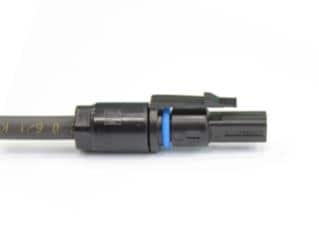
Where photovoltaic connectors are used
Photovoltaic connectors are commonly used to create secure cable-to-cable or cable-to-equipment links in solar power systems. Typical applications include panel string wiring, combiner box connections, inverter-side DC routing, and extension cable assemblies used during installation or retrofit work.
Because these connectors are often exposed to outdoor conditions, they are selected with attention to dependable mating, installation workflow, and compatibility with the intended cable and connector family. In many projects, they are part of a broader connector strategy that may also involve pre-terminated cable assemblies for faster field deployment.
Key selection points for this category
When comparing products in this range, buyers typically start with the intended connection format: plug, socket, coupler, or a mating pair within the same PV connector family. The cable size and conductor type are also important, since the connector must match the electrical and mechanical requirements of the installation.
Another practical factor is ecosystem compatibility. In B2B procurement, it is often more efficient to stay within a known connector platform from suppliers such as TE Connectivity, Amphenol, PHOENIX CONTACT, or Weidmuller when the project already uses related tooling, accessories, or established assembly procedures. This reduces the risk of mismatched components and simplifies service planning over time.
Representative products in the range
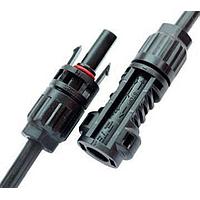
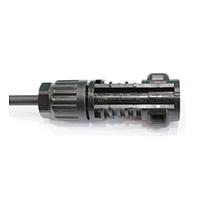
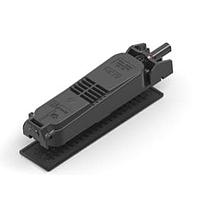
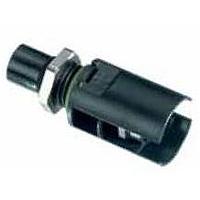
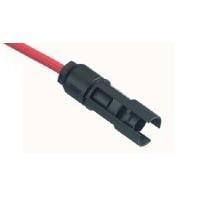
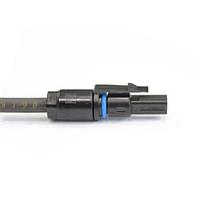
Several parts in this category illustrate the types of photovoltaic connectors commonly sourced for solar applications. Examples include the TE Connectivity 2347495-1 Connector Photovoltaic, Amphenol H4CPC2D-I Connector Photovoltaic, and PHOENIX CONTACT 1079658 Connector Photovoltaic. These product references are useful when teams are benchmarking options across major connector manufacturers.
The category also includes connector variants intended for cable-side integration, such as the TE Connectivity 7-1394461-4 Conn Male Cable Coupler 10AWG. In practical terms, couplers and related connector formats are often chosen when installers need a dependable inline connection strategy for PV cable runs without moving to a fully custom harness approach.
Manufacturer ecosystems and sourcing considerations
For many industrial buyers, manufacturer consistency matters almost as much as the connector itself. Amphenol, TE Connectivity, PHOENIX CONTACT, and Weidmuller are all represented here, giving purchasers a way to compare established product lines used in demanding electrical environments.
Teams that work across multiple connection types may also evaluate photovoltaic connectors alongside related termination components such as contacts, especially when planning repair kits, spare parts, or assembly processes. This is particularly relevant in service operations where maintaining connector integrity over repeated maintenance cycles is a concern.
How to choose connectors for system reliability
A good selection process starts with the actual installation context. Consider whether the connector will be used in module wiring, extension leads, field replacement, or equipment-level DC interconnection. From there, review cable size, mating requirements, and whether the project calls for standardized parts across many installations or a smaller quantity for maintenance support.
It is also worth checking whether your workflow favors loose components or more integrated connection solutions. In some cases, procurement teams compare standalone photovoltaic connectors with adjacent options in the broader connector portfolio, especially when a project includes custom wiring, prefabricated leads, or mixed connection interfaces.
Why this category matters in solar projects
In solar systems, connector quality supports more than simple electrical continuity. It influences installation efficiency, inspection confidence, serviceability, and long-term consistency across the DC side of the system. That makes connector choice a practical engineering decision rather than a minor accessory purchase.
For organizations managing repeat builds or supporting multiple sites, using a well-defined connector category also makes purchasing more efficient. It becomes easier to compare approved part numbers, align replacement stock, and source from known manufacturers without reviewing every connector family from scratch.
Supporting a structured connector procurement process
Photovoltaic connectors are often specified as part of a larger materials list that includes cable, termination hardware, and interface components. If your project spans multiple electrical connection types, it can help to review other connector categories separately so each application is matched to the right interface and assembly method.
This category is designed to support that process with focused access to solar connection products from recognized manufacturers. By narrowing the selection to application-relevant connector types and verified product families, buyers can make more confident decisions for both new installations and replacement requirements.
When selecting photovoltaic connectors, the most effective approach is to balance compatibility, installation needs, and long-term maintenance considerations. With products from manufacturers such as TE Connectivity, Amphenol, PHOENIX CONTACT, and Weidmuller, this category provides a practical starting point for sourcing dependable connection components for solar power systems.
Get exclusive volume discounts, bulk pricing updates, and new product alerts delivered directly to your inbox.
By subscribing, you agree to our Terms of Service and Privacy Policy.
Direct access to our certified experts