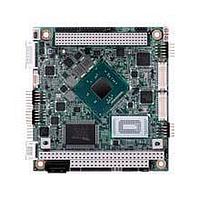
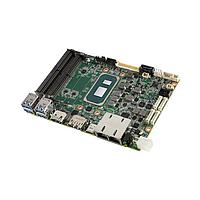
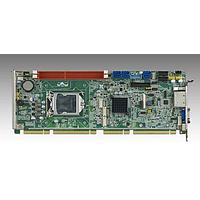
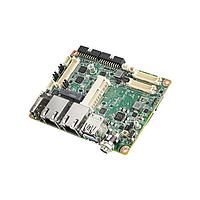
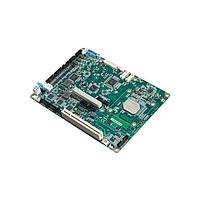
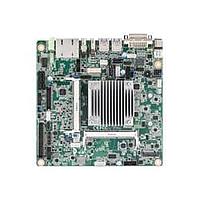
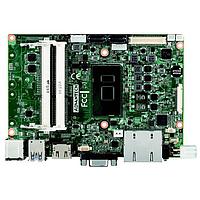
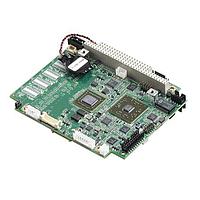
Single Board Computers
When space, power, and integration requirements matter, choosing the right embedded platform becomes a practical engineering decision rather than a simple hardware purchase. Single Board Computers are widely used where computing, connectivity, and I/O need to be combined on a compact board for machine control, edge processing, HMI, prototyping, and embedded system development.
In industrial and technical B2B environments, this category covers more than entry-level development boards. It also includes performance-oriented embedded motherboards and application-specific SBC platforms designed for long product life, stable interfaces, and easier system integration across automation, instrumentation, and OEM projects.
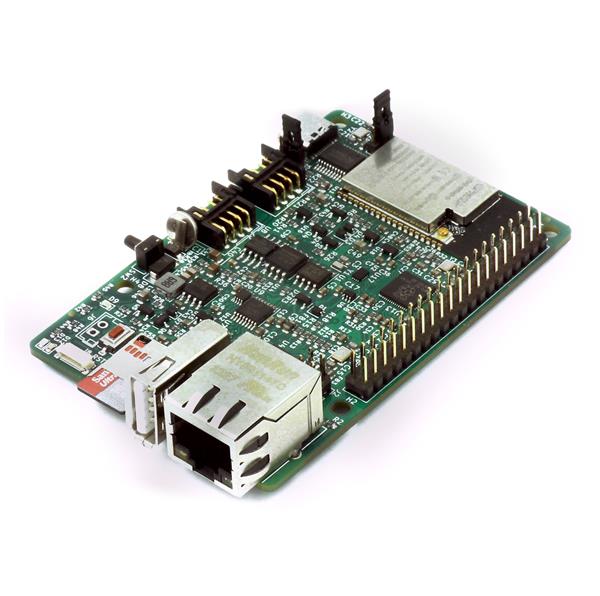
Where single board computers fit in embedded system design
An SBC integrates processor, memory support, storage interfaces, networking, and peripheral connectivity on one board. This makes it a practical choice when engineers need a compact computing core without building a full custom carrier architecture from scratch. Depending on the project, it can serve as the central controller, an edge node, a gateway, or a local visualization platform.
Compared with modular platforms, a standalone board can simplify deployment in systems with fixed requirements. At the same time, teams working on scalable or highly customized designs may also compare this category with computer-on-module solutions when they need more flexibility around carrier board design, I/O mapping, or long-term platform migration.
Common application scenarios
Single board computers are used across industrial automation, digital signage, embedded vision, network appliances, test systems, kiosks, and compact control cabinets. Their appeal comes from the balance between board-level integration and deployment readiness, especially where Ethernet, USB, display outputs, and storage are required in a limited footprint.
For example, a compact board may be selected for local machine data handling or operator interface tasks, while a higher-performance platform may support multi-interface processing or software-heavy edge workloads. In harsher environments, temperature range, mounting constraints, and interface stability often become just as important as processor class.
Typical form factors and platform examples
This category includes a wide range of board styles, from compact maker-oriented boards to industrial embedded boards and COM Express-based solutions that are often evaluated alongside broader embedded architectures. Products such as the Advantech SOM-7565M4-S6A2E COM Express Mini Module with Intel Atom Processor and the Advantech SOM-5890FG-U5B1E Basic COM Express SOM illustrate how compact and higher-performance embedded computing options can address different integration goals.
Other examples in the category include the Advantech MIO-2375C7P-Q4A1, the ASUS IoT 90ME01P1-M0UAY0 TINKER BOARD 2S/4G/16G//SBC MOTHERBOARD, and the Intel BOXNUC6I3SYH 943209 Boxed NUC Kit. These examples show the diversity of the category: some boards are aimed at lightweight embedded tasks, while others are better suited to richer operating environments, visual interfaces, or gateway-style deployments.
How to evaluate the right board for your project
The most effective selection process starts with workload definition. Processor family, number of cores, memory capacity, and storage interfaces all influence whether a board is appropriate for data acquisition, protocol conversion, edge analytics, or user-facing software. Networking options such as Gigabit Ethernet and peripheral support such as USB, SATA, GPIO, or display interfaces also shape integration effort.
Engineers should also review form factor, thermal envelope, and environmental range early in the project. A compact board may save enclosure space, but mechanical constraints, connector orientation, and maintenance access still need to be considered. If the installation requires a finished enclosure rather than an open-board design, it may be worth comparing with embedded box computers for a more deployment-ready approach.
Industrial considerations beyond raw performance
In B2B and OEM applications, board selection is rarely based on CPU speed alone. Long-term availability, software ecosystem, interface consistency, and support for the target operating system are often more important than headline performance. For industrial deployment, teams typically look at integration reliability, cable management, thermal behavior, and compatibility with existing peripherals and field devices.
Environmental requirements can also change the shortlist quickly. Some boards are more appropriate for controlled indoor systems, while others are designed for broader operating temperature ranges. A model such as the Advantech SOM-5890Z2-S5A1E, for instance, reflects the kind of option engineers may review when application conditions call for wider thermal tolerance in embedded computing designs.
Manufacturers commonly considered in this category
Several established suppliers appear frequently in embedded computing projects. Advantech is well represented in this category with compact modules and embedded boards covering different performance and integration requirements. Intel-based platforms also remain relevant where compatibility, familiar software stacks, and mainstream processor ecosystems are priorities, while Arduino and ASUS IoT are often considered for lighter embedded development or specialized application needs.
Emerson Network Power also appears in higher-end embedded and communications-oriented hardware contexts, including board-level platforms for demanding system architectures. The variety of manufacturers in this category allows buyers to compare compact SBCs, embedded motherboards, and more application-specific platforms without limiting the search to a single hardware style.
When to consider adjacent embedded computing categories
Not every project is best served by a bare or semi-integrated board. If the deployment requires a sealed or easier-to-mount computing platform, panel PCs may be more suitable for operator-facing systems, while enclosed industrial computers are often preferred for harsher installation points. Likewise, projects involving compact logic handling or support circuitry may also connect with adjacent programmable device categories depending on the architecture.
For development ecosystems built around education, prototyping, or accessory-driven expansion, board-level projects may also benefit from related add-ons and peripherals. In those cases, browsing Raspberry Pi accessories can help when the application depends on expansion hardware, cabling, power accessories, or interface modules around a compact embedded platform.
Choosing with system lifecycle in mind
A good SBC choice should support not only the first prototype, but also validation, deployment, maintenance, and future revision planning. That means looking at software support, interface headroom, thermal margin, and sourcing continuity together rather than evaluating the board as an isolated component. In many industrial projects, the easiest board to start with is not always the easiest one to maintain at scale.
This category brings together compact and industrially relevant computing platforms for embedded control, edge processing, and system integration. By matching board architecture, I/O, thermal capability, and deployment style to the real application, buyers can narrow the range quickly and choose a platform that fits both present requirements and longer-term system constraints.
Get exclusive volume discounts, bulk pricing updates, and new product alerts delivered directly to your inbox.
By subscribing, you agree to our Terms of Service and Privacy Policy.
Direct access to our certified experts