
Capacitance Touch Sensor Modules
Touch input has become a practical interface choice for embedded devices, industrial panels, control surfaces, and compact human-machine interfaces. When designers need a reliable way to detect finger contact, gestures, or simple user input without relying on mechanical buttons, Capacitance Touch Sensor Modules offer a flexible path from prototype to production.
This category brings together modules and touch-enabled components used in embedded electronics and equipment design. Depending on the application, that may mean a compact capacitive touch sensor for a control panel, a gesture-capable trackpad for a user interface, or a display-oriented touch module that supports more complete HMI integration.
Where capacitance touch modules fit in modern device design
Capacitive touch technology is widely used when a product needs a clean front surface, intuitive operation, and reduced dependence on moving mechanical parts. In embedded systems, these modules can be integrated into operator panels, kiosks, portable instruments, consumer devices, and custom electronics where touch interaction improves usability.
Compared with conventional switches, a capacitive touch interface can help simplify front-panel design and support sleeker enclosure concepts. Some solutions are intended for direct touch sensing, while others extend into trackpad-style navigation or touch display integration, making the category relevant to both simple control inputs and more advanced interface designs.
Common product types in this category
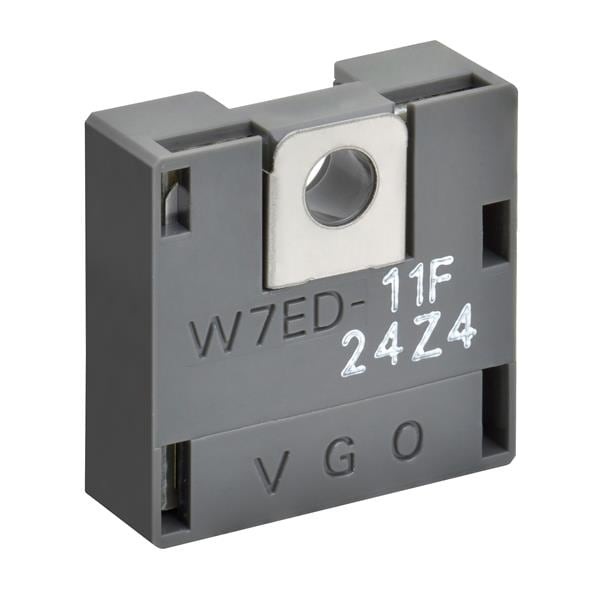
The category covers more than one form factor, so selection usually starts with the intended interaction model. For compact sensing points, parts such as the Omron Electronics W7ED-12F and W7ED-11F represent discrete capacitive touch sensor options that can be used where a localized touch input is required.
For gesture or cursor-style input, capacitive trackpads such as the Azoteq TPS65-201A-S and Azoteq TPS48-P203-B provide a different user experience. These are better suited to applications that need swiping, navigation, or position-sensitive touch input rather than a single touch point. In broader embedded UI projects, users may also compare this range with other sensor modules for motion-aware systems when designing more interactive devices.
Representative manufacturers and solution styles
Advantech appears prominently in this category with touch-related modules and display-oriented assemblies used in industrial and embedded environments. Examples include the Advantech 9680002247 Touch Sensor Modules, the IDK-190R-25SXA1 display kit, and panel-focused options such as IDS-3217EG-38SXA1E. These are especially relevant when the touch layer is part of a larger display or panel integration project.
Omron Electronics contributes compact capacitive sensing components suitable for focused touch detection tasks, while Azoteq adds trackpad and touch sensor solutions that fit gesture-enabled or position-sensitive designs. OSEPP Electronics also appears with module-level options that may be useful in development or replacement scenarios. The mix of manufacturers gives buyers a practical spread across industrial display integration, component-level sensing, and touch-input development.
How to choose the right module
The first selection factor is the intended user interaction. If the design only needs a simple touch trigger, a discrete capacitive touch sensor may be enough. If the interface needs gesture recognition or trackpad behavior, a rectangular or square capacitive trackpad is often a better fit. For panel computers, kiosks, or operator terminals, touch display kits and panel-mount monitor assemblies may be more appropriate than standalone sensor elements.
Electrical and mechanical compatibility should be reviewed early in the design process. Interface type, supply voltage range, operating temperature, panel size, and mounting constraints all affect integration effort. For example, some Azoteq models in this category use I2C, which may suit embedded controller designs, while compact Omron Electronics parts are better aligned with localized touch sensing. In projects that combine touch input with environmental monitoring, it may also be useful to review temperature sensor modules for broader system-level integration.
Capacitive touch vs. resistive touch considerations
Although this category focuses on capacitive touch technology, some listed products show how real-world sourcing often overlaps with adjacent touch solutions. Capacitive touch is generally chosen when designers want light-touch operation, modern UI behavior, and a smooth surface concept. It is commonly used in consumer-facing electronics, embedded HMIs, and gesture-driven interfaces.
Resistive touch components, which also appear in some broader touch module ranges, may still be considered in environments where operation with gloves, stylus input, or specific industrial workflows matters. The key point for buyers is to match the sensing method to the operating environment, user behavior, and enclosure design rather than selecting only by familiarity with the technology name.
Typical application scenarios
Capacitance touch sensor modules are relevant across many B2B and OEM use cases. They can support front-panel controls in embedded equipment, touch navigation in compact devices, and interface upgrades in custom electronics where button count, panel layout, or industrial design constraints make mechanical switches less desirable.
Trackpad-style modules are especially useful in products that need directional or gesture-based input without adding a full keyboard or multiple keys. Display-oriented touch assemblies from Advantech can fit projects involving industrial displays, operator stations, or integrated control panels. For applications that also require proximity or ranging capability, related categories such as distance sensor ICs and embedded modules may help expand the overall interface strategy.
What to review before ordering
Before shortlisting products, confirm whether the requirement is for a touch sensor element, a complete module, a trackpad, or a touch-enabled display assembly. This distinction affects not only cost and integration complexity, but also firmware requirements, mechanical design, and the amount of supporting electronics needed.
It is also worth checking the target operating environment, controller compatibility, and expected user interaction. A compact single-point sensor, a gesture trackpad, and a 10.4-inch or 19-inch touch display kit solve very different design problems. Looking at the category in that structured way makes it easier to compare products such as the TPR54-P201-B, TPS65-201A-S, W7ED-12F, or Advantech display-related modules without forcing unlike devices into the same evaluation criteria.
Final thoughts
This category is best approached as a touch-interface toolkit for embedded and industrial design rather than a single product type. From compact capacitive sensing components to trackpads and touch display modules, the available options support a wide range of user-interface requirements.
By focusing on interaction style, integration method, and operating conditions, buyers can narrow the selection more effectively and identify modules that fit both the electrical design and the end-user experience. That makes it easier to move from concept to a practical, touch-enabled product with fewer compromises during implementation.
Get exclusive volume discounts, bulk pricing updates, and new product alerts delivered directly to your inbox.
By subscribing, you agree to our Terms of Service and Privacy Policy.
Direct access to our certified experts