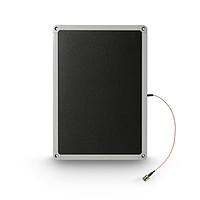
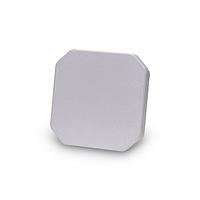
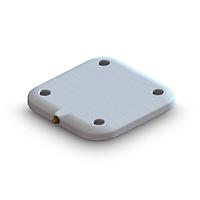
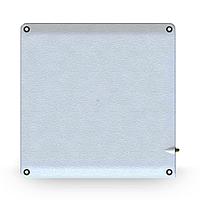
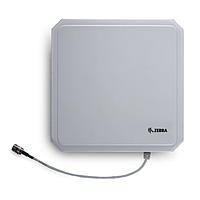
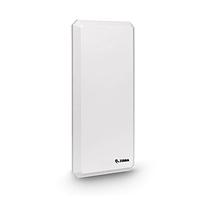
Antenna
Reliable wireless performance often depends as much on the antenna as on the radio module itself. In embedded systems, industrial gateways, IoT devices, and connected equipment, antenna selection influences signal strength, coverage, mechanical integration, and overall system stability. Choosing the right form factor and interface early can help reduce redesign work and improve real-world communication results.
This Antenna category is intended for engineers, buyers, and system integrators looking for RF connectivity components that fit practical deployment needs. Whether the priority is compact device integration, external mounting, or compatibility with a broader wireless architecture, the antenna should be evaluated as part of the complete RF path rather than as an isolated accessory.
Why antenna choice matters in wireless design
An antenna is the final radiating element in a wireless system, so it has a direct effect on link quality, usable range, and signal consistency in the field. Even when the radio chipset or module is well selected, poor antenna matching or an unsuitable mechanical layout can limit performance and create avoidable communication issues.
In industrial and embedded environments, installation conditions also matter. Enclosures, metal surfaces, cable routing, mounting location, and nearby electronics can all influence behavior. That is why antenna selection is typically tied to the intended wireless standard, available space, connector type, and the physical conditions of the end application.
Common integration scenarios for antenna products
Antenna solutions are used across a wide range of connected devices, from compact embedded boards to industrial communication systems. In some designs, the priority is a low-profile internal component that fits inside a constrained enclosure. In others, an external antenna provides more flexible positioning to improve reception or reduce interference from surrounding hardware.
This is especially relevant when antennas are paired with devices from categories such as Bluetooth modules, cellular modules, or GNSS/GPS modules. Each wireless technology has different propagation behavior, bandwidth needs, and placement considerations, so the antenna should support the broader communication objective of the system.
Key factors to consider when selecting an antenna
The first step is usually to align the antenna with the target frequency band and communication method. From there, buyers often review the mechanical format, mounting approach, cable requirements, and connector compatibility. In embedded products, these practical details can be just as important as RF performance because they affect assembly, serviceability, and enclosure design.
It is also useful to consider the installation environment. Indoor systems, outdoor deployments, mobile equipment, and fixed industrial panels can each place different demands on the antenna. A design that works well in a lab setup may behave differently once it is mounted in production equipment, so engineers typically evaluate the full signal chain, including the antenna, cable losses, and surrounding materials.
How antennas fit into the broader RF ecosystem
In many projects, the antenna is one part of a larger wireless architecture that includes the module, interconnects, enclosure, and host electronics. For that reason, antenna selection is closely related to decisions around product layout and interface standards. Teams that take a system-level view usually have an easier time balancing signal performance with packaging and manufacturing constraints.
When a project requires more than one wireless path or must support evolving connectivity requirements, it may also be useful to review related options such as multiprotocol modules. Looking at the antenna together with the radio platform can help avoid mismatches in connector format, intended use case, or physical deployment strategy.
Manufacturers commonly considered in this segment
Depending on the application, buyers may compare products from established suppliers involved in interconnect, RF, and embedded hardware ecosystems. Names such as Amphenol RF, Amphenol, HARTING, Belden, Advantech, and Adafruit are often relevant in projects where wireless connectivity must be integrated with broader electronic or industrial system requirements.
Manufacturer choice is rarely just about brand preference. In B2B and engineering procurement, it often reflects documentation quality, compatibility with existing hardware, availability across a product family, and how easily the antenna can be integrated into a repeatable design or purchasing workflow.
Typical use cases in industrial and embedded applications
Antenna products are commonly evaluated for IoT nodes, gateways, monitoring systems, telematics equipment, control cabinets, and embedded devices that need stable wireless communication. In these environments, teams often balance RF performance with practical concerns such as mounting access, service replacement, device size, and the effect of nearby metal or cabling.
For prototyping and development, antenna choice can also shape how quickly a concept moves toward validation. A suitable antenna helps teams test communication behavior under realistic conditions before committing to a final enclosure or production layout. This reduces risk when scaling from a bench prototype to a deployed product.
Choosing with long-term integration in mind
For most projects, the best approach is to treat the antenna as a design-critical RF component rather than a last-minute add-on. Reviewing form factor, mounting method, wireless standard, and intended operating environment together leads to a more dependable result than selecting solely on basic compatibility.
If your application involves embedded wireless communication, this category provides a practical starting point for comparing antenna options in context. A thoughtful choice here can support stronger signal performance, smoother hardware integration, and a more robust end system over the full product lifecycle.
Get exclusive volume discounts, bulk pricing updates, and new product alerts delivered directly to your inbox.
By subscribing, you agree to our Terms of Service and Privacy Policy.
Direct access to our certified experts