Labor protection gloves
Hand protection requirements can vary widely from one workplace to another. In mechanical assembly, workers often need grip and dexterity; in welding, they need heat resistance; in chemical handling, material compatibility becomes more important than touch sensitivity. This is why choosing the right labor protection gloves should be based on the actual task, exposure level, and working environment rather than on a single generic glove type.
This category brings together glove options used across industrial production, maintenance, utilities, laboratories, and material handling. The range includes models designed for abrasion resistance, cut protection, cold conditions, chemical contact, and precision handling, helping buyers compare solutions more efficiently for day-to-day B2B procurement.
Choosing gloves by hazard and application
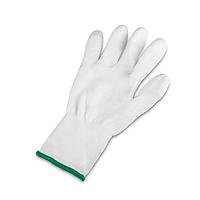
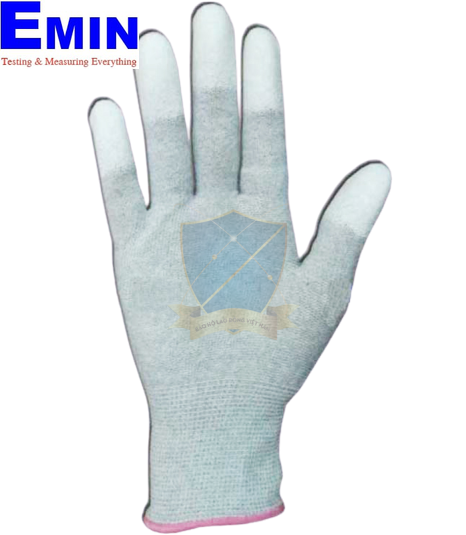
The most practical way to select protective gloves is to start with the primary hazard. For example, general mechanical work usually calls for gloves that balance grip, wear resistance, and flexibility. In this area, polyester or PU-coated knitted gloves are often used for light industry, machinery handling, and assembly tasks where operators still need good finger movement.
When the job involves sharper edges or rough materials, a higher level of cut resistance and tear resistance becomes more relevant. For hot work, the focus shifts toward leather construction, reinforced stitching, and heat-resistant design. If the process includes chemicals, oils, solvents, or aggressive cleaning agents, glove material selection should be evaluated more carefully than simple mechanical ratings alone.
Common glove types in this category
This category covers several practical glove groups used in industrial environments. Knitted work gloves with PU or nitrile coating are commonly selected for handling smooth parts, assembly operations, and general workshop use because they support a good balance between comfort and grip. Examples such as DELTAPLUS VE702P and DELTAPLUS VE702PG illustrate this type of everyday mechanical protection.
For heavier-duty work, leather gloves remain a common choice. Products such as DELTAPLUS FBN49 Cow Hide Full Grain Leather Work Gloves and PROGUARD PG-119-YLW Gloves fit applications where durability, hand coverage, and resistance to rough handling are more important than fine tactile sensitivity. For welding and high-temperature contact, a model such as DELTAPLUS CA615K is more aligned with the needs of heat-related tasks.
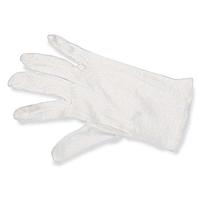
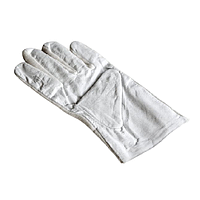
There are also more specialized options within the category. DELTAPLUS VE509 Neoprene Gloves are suited to environments where chemical resistance matters, while DELTAPLUS HERCULE VV750 supports work in cold conditions. For handling calibration-related accessories or sensitive weighing components, KERN cotton, nylon, and leather/cotton gloves provide a different use case focused on cleanliness and surface protection rather than heavy industrial hazard control.
Key selection criteria for industrial buyers
In B2B purchasing, glove selection should consider more than just one advertised feature. Buyers typically need to evaluate glove material, coating type, cuff length, flexibility, sizing range, and compatibility with the specific workflow. A glove that offers strong protection but reduces grip or slows repetitive tasks may not be the best fit for the actual operation.
It is also important to review the working environment: dry or wet handling, oil exposure, cold rooms, welding stations, maintenance areas, paint lines, or chemical processing. Standards such as EN388, EN407, EN420, EN511, or EN374 can help frame the intended protection level, but they should be interpreted together with the real application. In many facilities, different departments require different glove types rather than one standardized item for everyone.
Examples from featured manufacturers
Several recognized brands appear in this category, each supporting different industrial needs. DELTAPLUS is strongly represented with models for general handling, cut resistance, welding, cold environments, and chemical contact, making it relevant for factories, workshops, and maintenance teams that need broader glove coverage from one brand family.
KERN appears with gloves intended for handling weights and related precision accessories, where reducing contamination from skin oils, moisture, or dirt is the main objective. PROGUARD is also present with leather glove options suited to mechanical and fabrication work. While this category may also relate to broader PPE ecosystems from brands such as 3M, Ansell, or Regeltex, product selection should always follow the application first, then the brand preference.
How gloves fit into a wider PPE system
Protective gloves are only one part of workplace safety planning. In electrical and utility environments, hand protection may need to be coordinated with other equipment such as insulating gloves and insulating boots when electrical insulation is part of the risk assessment. This is a different use case from standard mechanical gloves and should not be confused with general-purpose industrial handwear.
In maintenance areas, emergency response readiness also matters. Keeping suitable hand protection alongside basic first aid supplies supports a more complete safety setup, especially in environments with frequent manual handling, fabrication, or repair work. Looking at gloves in the context of the full PPE workflow usually leads to better long-term procurement decisions.
When to choose specialized gloves instead of general-purpose models
General work gloves are often sufficient for routine handling and light mechanical tasks, but they are not automatically suitable for every hazard. A welding station, for example, may require longer cuffs, heat resistance, and more robust outer materials than a standard coated glove can provide. Similarly, chemical exposure may call for neoprene or other dedicated barrier materials rather than knitted mechanical gloves.
Specialized selection becomes even more important in environments with narrow tolerances. In weighing, calibration, or laboratory-adjacent tasks, gloves such as KERN 317-280 Cotton Gloves, KERN 317-281 Premium Nylon Gloves, or KERN 317-290 Leather/Cotton Gloves help reduce contamination during handling. This shows how glove choice can influence not only safety, but also process quality and measurement reliability.
Practical buying considerations for category-level sourcing
For procurement teams, the most efficient approach is usually to group glove demand by task family: assembly, fabrication, welding, chemical handling, cold storage, and precision handling. This makes it easier to standardize within each process while still giving workers the protection level and usability they need. Sizing availability, replacement frequency, and the expected consumption rate should also be reviewed during sourcing.
If your operation includes both standard industrial handling and sector-specific safety requirements, it may also be useful to compare adjacent PPE categories such as insulating carpet for electrical work areas. A well-structured purchasing plan often reduces mismatched PPE usage, improves stock control, and helps ensure that gloves are selected for actual exposure conditions rather than convenience alone.
Conclusion
The right glove choice depends on understanding the job in detail: what the user is handling, what hazards are present, how much dexterity is needed, and how long the gloves will be worn. From coated knitted gloves for light assembly to leather, neoprene, cold-resistant, and welding gloves for more demanding environments, this category supports a broad range of industrial applications.
By comparing glove materials, protection standards, and intended use cases carefully, buyers can build a more reliable hand protection strategy for both daily operations and specialized tasks. That leads to better safety performance, more suitable product selection, and a purchasing process that reflects real operational needs.
Get exclusive volume discounts, bulk pricing updates, and new product alerts delivered directly to your inbox.
By subscribing, you agree to our Terms of Service and Privacy Policy.
Direct access to our certified experts