Other protective equipment
In many industrial environments, worker safety depends on more than standard PPE alone. Daily operations often require specialized items that help isolate hazards, control access during maintenance, and support safe handling around electrical or mechanical systems. That is where other protective equipment becomes important, especially for plants, workshops, utilities, and maintenance teams that need practical safety tools beyond basic protective wear.
This category is suitable for businesses looking for supporting safety devices used in lockout, isolation, electrical protection, and site readiness. Instead of treating these products as miscellaneous accessories, it is more useful to view them as part of a broader safety workflow that helps reduce risk during inspection, servicing, shutdown, and restart activities.
Why this category matters in industrial safety
Not every hazard can be managed with helmets, gloves, or footwear alone. Many tasks require devices that help workers secure energy sources, mark unsafe equipment, or create a safer working condition before maintenance begins. In these cases, supporting protective equipment plays a direct role in accident prevention.
This is particularly relevant in facilities with electrical panels, valves, switch points, and machinery that may start unexpectedly if not properly isolated. When combined with procedures and training, these products help strengthen lockout/tagout practices and improve control over high-risk maintenance work.
Typical applications for other protective equipment
Products in this group are commonly used in manufacturing plants, power-related works, industrial maintenance, building services, and utility operations. They are often selected for shutdown work, equipment servicing, panel isolation, valve locking, and temporary hazard identification during repairs or commissioning.
For teams working near energized systems, these items are often used alongside insulating gloves and boots to create a more complete electrical safety setup. In field environments or substations, they may also complement tools such as a hot stick when isolation and controlled handling are both required.
What to look for when choosing products in this category
A practical selection process usually starts with the hazard itself. Buyers should consider whether the task involves electrical breakers, handwheel valves, wall switches, cable isolation, or general lockout points. The right product should match the physical type of equipment being secured, not just the safety procedure on paper.
It is also important to review how the item will be used across teams. Multi-user maintenance work may require devices that support tagging, keyed locking, and visible warning identification. Where different lock points are present on one site, a broader solution set can reduce delays and help standardize safety procedures between departments.
LOTO-related equipment as a key part of this category
One of the most relevant product groups within other protective equipment is lockout/tagout equipment. These products are designed to help isolate hazardous energy during maintenance or repair so equipment cannot be switched on unintentionally. In industrial safety programs, they are often used to support compliance, improve visibility, and reduce procedural gaps.
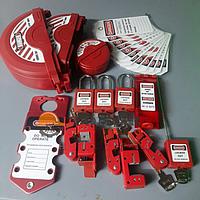
A representative example is the PROLOCKEY TK-0422 LOTO lock set. This set includes multiple elements for practical lockout work, such as valve lock devices, warning tags, steel shackle locks, a cable lock, a wall switch lock, and circuit breaker lockout components. For maintenance teams that need a ready-to-use combination of devices, a kit like this can support more consistent implementation across different equipment points.
Using PROLOCKEY solutions in maintenance and plant safety
PROLOCKEY is one of the manufacturers featured in this category and is especially relevant where lockout hardware is part of routine operations. Rather than relying on improvised methods, industrial buyers often prefer purpose-built safety devices that are easier to identify, apply, and manage during scheduled maintenance.
For sites with mixed assets, a lock set can be useful because it brings several protective elements into one package. This approach can simplify purchasing for maintenance contractors, factory engineering teams, and EHS departments that need coverage for valves, breakers, switches, and warning tags without sourcing each item separately.
How this category fits into a broader site safety setup
Other protective equipment should not be viewed in isolation. In practice, it often works alongside emergency response and electrical protection products to support safer operations across the site. For example, facilities may combine lockout tools with first aid supplies as part of incident preparedness and maintenance planning.
Where electrical work is performed in front of panels or switchgear, supporting floor insulation may also be relevant. In such cases, teams may review options like an insulating carpet together with lockout devices to improve protection around energized or recently isolated equipment.
Choosing equipment based on workflow, not just product type
For B2B procurement, the most effective approach is usually to map products to actual work scenarios. A maintenance shutdown may require breaker lockouts, warning tags, and keyed locks, while valve servicing may require handwheel lock devices and cable lock components. Looking at the workflow helps buyers build a more relevant selection than choosing products one by one without context.
This is also useful for organizations standardizing safety procedures across multiple lines or locations. When product choice aligns with common tasks, training becomes easier, replacement planning is more straightforward, and the overall safety system becomes more consistent for technicians and contractors.
Final considerations
Specialized safety items often make a major difference in day-to-day risk control, especially in environments where energy isolation and maintenance safety are critical. This category helps cover those supporting products that do not always fit into standard PPE groups but are still essential for safe industrial work.
When reviewing options in other protective equipment, focus on the specific hazards, lockout points, and operating procedures present at your site. A well-matched selection can help maintenance teams work more safely, improve procedural discipline, and support a more complete industrial protection strategy.
Get exclusive volume discounts, bulk pricing updates, and new product alerts delivered directly to your inbox.
By subscribing, you agree to our Terms of Service and Privacy Policy.
Direct access to our certified experts