safety shoes
Choosing the right protective footwear is not only about compliance. In factories, warehouses, maintenance areas, construction sites, and utility environments, the right pair helps reduce impact injuries, slipping risks, puncture hazards, and fatigue during long shifts. For teams responsible for procurement, EHS, or plant operations, a clear understanding of safety shoes makes selection faster and more practical.
This category brings together footwear designed for industrial use, with options suited to different working conditions such as oily floors, wet areas, light-duty assembly zones, and environments where anti-static or puncture resistance matters. The most suitable choice usually depends on the floor condition, exposure to impact, required protection class, and how long the user will be on their feet.
What to look for when selecting safety footwear
Industrial footwear is often chosen based on a balance between protection level and daily comfort. In many workplaces, the basic starting point is a protective toe cap, but that alone is rarely enough. Slip resistance, oil resistance, puncture protection, anti-static performance, and sole construction are all important when matching footwear to the task.
For example, environments with metal debris or sharp scrap may require puncture-resistant construction, while logistics and manufacturing users may prioritize lighter low-cut designs for mobility. In wet or dirty areas, a more enclosed design with water resistance and a durable outsole can be a better fit. Where electrostatic control is part of the requirement, models with ESD or anti-static properties deserve closer attention.
Common protection features in this category
Many products in this range are built around familiar industrial protection principles. A steel toe cap rated for impact protection is commonly used to reduce the risk of crushing injuries from dropped tools or materials. Slip-resistant outsoles help improve traction on smooth or contaminated surfaces, especially in workshops and plant walkways.
Several models also emphasize resistance to oil, heat, or limited chemical exposure depending on the outsole compound and construction. Some shoes are designed with steel midsoles or liners to resist underfoot penetration, while others focus on lightweight wearability for workers who move constantly during the day. These differences matter because the same footwear will not perform equally well across fabrication, service, electrical, and general facility work.
Examples from DELTAPLUS, Safety Jogger, and PROGUARD
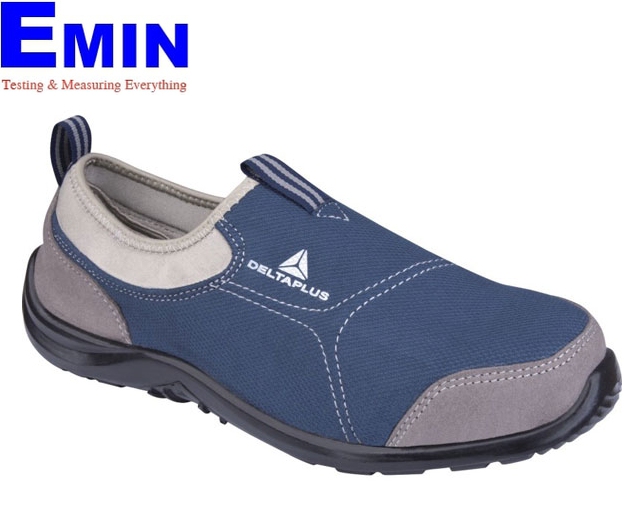
Within this category, DELTAPLUS offers several practical options across different protection levels. The DELTAPLUS JET3 S3 WORKING SHOES and Deltaplus JUMPER2 S3 Bumper Safety Work Boot are relevant for users looking for S3-class protection with features such as slip resistance, anti-penetration support, and water-resistant performance. For lighter use cases, the DELTAPLUS MIAMI S1P Safety Sneakers present a lower-cut format that can be easier to wear in active indoor environments.
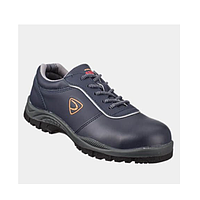
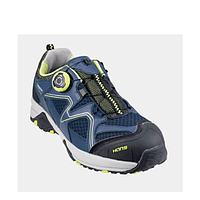
Safety Jogger is also represented with models such as the Safety Jogger S1P Safety shoes and Safety Jogger BestrunS3SRC Safety Shoes. These are useful references when comparing low-weight construction, certification-oriented selection, and footwear intended for users who need a mix of mobility and essential workplace protection. In parallel, PROGUARD models such as the 136-93A Black Safety Shoes and 131-93A Black Safety Shoes illustrate a more traditional safety shoe format with toe protection, outsole grip, and resistance to oil or heat depending on the model.
How to match the shoe type to the work environment
A low-cut shoe or sneaker-style design is often preferred in assembly lines, indoor maintenance, warehouse operations, and general industrial movement where flexibility and reduced weight are important. In these settings, users may spend more time walking than standing in one fixed area, so comfort, breathability, and sole cushioning can affect day-to-day productivity.
Boot-style or more robust S3 footwear is usually a stronger choice for harsher conditions. Outdoor work, heavy maintenance, construction support, or areas with water, dirt, impact risk, and underfoot hazards typically call for a more protective upper and sole package. If the site also includes electrical risk controls, it may be useful to review related PPE such as insulating gloves and insulating boots for applications where standard industrial shoes are not enough.
Standards, comfort, and day-to-day usability
When evaluating footwear, buyers often compare more than just the listed standard. EN 345, EN ISO 20345, SRC slip resistance, S1P, and S3 classifications help define the intended protection level, but real-world usability still depends on the working routine. Weight, sole flexibility, internal lining, moisture management, and fit range all influence whether workers will wear the footwear consistently and correctly.
This is why a technically compliant model is not always the most practical one for every team. A lighter pair can be beneficial for long indoor shifts, while a heavier-duty model may be more suitable for rough surfaces and mixed indoor-outdoor use. In safety management, adoption improves when the selected footwear aligns with both the hazard assessment and the worker’s movement pattern.
Building a broader workplace protection setup
Foot protection works best as part of a wider PPE strategy rather than as a standalone purchase. Sites with routine injury prevention planning often pair footwear with emergency and protective equipment suited to the same environment. For example, fast access to first aid supplies remains essential in workshops, plants, and field service operations where minor incidents can still occur despite preventive controls.
Likewise, some work areas require additional surface or electrical protection measures. In utility or electrical maintenance settings, products such as insulating carpet may support safer working conditions around energized equipment. Looking at footwear in the context of the full task helps procurement teams create a more coherent protection system.
Choosing with confidence
The best approach to buying safety footwear is to start with the hazard profile of the job, then compare protection level, outsole behavior, construction type, and wearing comfort. A low-cut S1P design may be ideal for light industrial mobility, while S3 footwear is often better suited to tougher and less predictable environments. Brand preference can also matter, but only after the required performance criteria are clear.
This safety shoes category is intended to help buyers narrow down suitable options from recognized manufacturers and compare practical differences across models. By focusing on actual site conditions rather than only the product name, it becomes much easier to select footwear that supports both worker protection and everyday usability.
Get exclusive volume discounts, bulk pricing updates, and new product alerts delivered directly to your inbox.
By subscribing, you agree to our Terms of Service and Privacy Policy.
Direct access to our certified experts