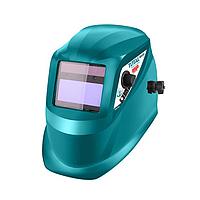
Welding mask
Eye and face protection is one of the first requirements in any welding area, especially where arc light, sparks, heat, and flying particles are part of daily work. Choosing the right welding mask helps reduce exposure to UV and infrared radiation while also improving visibility, comfort, and consistency during welding tasks.
On this page, buyers can explore welding masks suited to practical industrial use, from standard face protection to auto-darkening options for more dynamic welding conditions. The category is relevant for workshops, maintenance teams, fabrication environments, and contractors who need dependable PPE that fits real operating conditions rather than a one-size-fits-all setup.
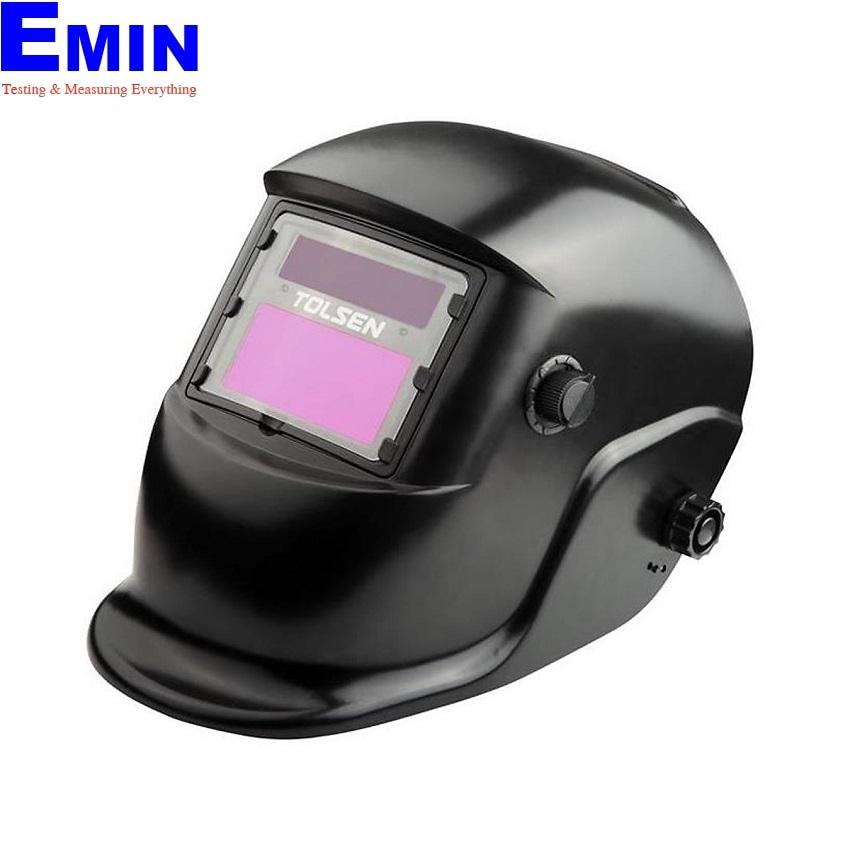
Why welding masks matter in industrial safety
Welding exposes operators to several hazards at the same time: intense light, radiant heat, sparks, and small molten particles. A properly selected mask helps protect the face and eyes during arc welding and related work, while supporting safer posture and better concentration at the workstation.
In many facilities, welding masks are part of a broader PPE system that may also include insulating gloves and boots for electrical safety tasks, depending on the application environment. This makes category-level selection important, especially for procurement teams managing multiple job roles and operating risks.
Common types and selection approach
Not every welding operation requires the same viewing method or adjustment range. Some users prefer a straightforward shield for routine work, while others need an auto-darkening lens that reacts quickly as the arc starts, helping reduce interruptions when switching between positioning and active welding.
For category evaluation, the most useful criteria usually include lens behavior, comfort over long shifts, head coverage, material durability, and suitability for the welding process in use. MIG, TIG, and electric arc welding may place different demands on visibility and sensitivity, so buyers should match the mask to the actual task rather than selecting only by appearance or price point.
Representative products in this category
The ASAKI range includes the ASAKI AK-2033 Welding Mask, a model built with heat-resistant and impact-resistant PP plastic. This type of construction is relevant where users need a practical protective solution for routine welding work and general workshop use.
For operations requiring more adaptive viewing performance, the Deltaplus BARRIER Welding Shield is a notable example. It is designed as a digital self-adjusting mask for electric arc welding, MIG welding, and TIG welding, with an LCD lens and adjustable darkness range. Features such as quick switching behavior, a visible viewing area, and battery-plus-solar power support are especially useful in environments where operators move repeatedly between setup and active welds.
Key factors when choosing a welding mask
A good starting point is to define the welding process, work frequency, and exposure duration. Teams performing short, repetitive jobs may focus on practical protection and durability, while operators working on longer or more precision-sensitive tasks often benefit from masks with better viewing comfort and adjustable shading.
Another factor is operator comfort. Headgear fit, weight balance, and sweat management can affect wear time and compliance in real working conditions. If a mask is uncomfortable or limits visibility too much, users may be more likely to remove it unnecessarily, which defeats the purpose of protective equipment.
Standards and protective intent should also be reviewed carefully. For example, one of the listed models references EN175, EN397, and EN166, which helps indicate alignment with recognized protective requirements. Buyers should still confirm suitability against site procedures, welding method, and safety policy before large-volume purchasing.
Applications across workshops and field work
Welding masks are commonly used in metal fabrication, machinery repair, construction support, plant maintenance, and utility-related service work. In these settings, face protection needs to be practical enough for daily use while still supporting reliable shielding against arc radiation and hot debris.
In some job sites, welding safety is managed alongside other protective equipment categories. For example, maintenance teams working near electrical systems may also review hot stick equipment or use an insulating carpet as part of a wider safety setup. While these products serve different purposes, the selection logic is similar: match the equipment to the actual hazard and operating environment.
Brand context and procurement considerations
Within this category, DELTAPLUS and ASAKI are two relevant manufacturer options supported by the current product range. Rather than choosing by brand alone, B2B buyers typically compare protective function, user comfort, adjustment needs, and suitability for the welding processes carried out on site.
For procurement teams, it can be helpful to standardize a smaller number of mask types across departments. This simplifies training, replacement planning, and user acceptance, especially when different teams have different welding exposure levels. A category page like this is most useful when it helps narrow the shortlist based on practical use conditions, not just product names.
How to make a better shortlist
Before ordering, review the work environment, expected duty cycle, and whether operators need passive or self-adjusting viewing. Also consider whether the job requires frequent lifting, repositioning, or long continuous sessions, since these details affect comfort and productivity as much as basic protection.
If your site is building a broader PPE program, it may also be worth checking nearby categories such as first aid supplies to support workshop readiness. Keeping PPE and response equipment aligned helps create a more complete safety framework around welding operations.
Final thoughts
A well-chosen welding mask supports both protection and day-to-day usability. Whether the priority is a straightforward protective shield or a more responsive auto-darkening design, the right choice depends on welding method, operator comfort, and the conditions of the job.
By comparing practical features and selecting products that fit real use cases, buyers can build a safer and more consistent welding environment. This category is intended to help that process with relevant options from recognized manufacturers and a clearer basis for evaluation.
Get exclusive volume discounts, bulk pricing updates, and new product alerts delivered directly to your inbox.
By subscribing, you agree to our Terms of Service and Privacy Policy.
Direct access to our certified experts