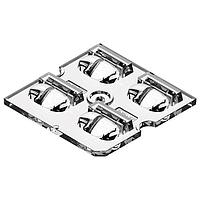
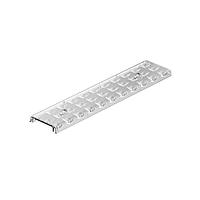
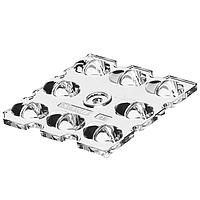
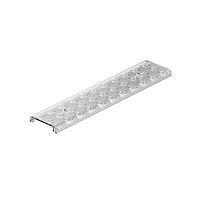
LED Lenses & Assemblies
Light output depends on more than the LED itself. In many lighting, signaling, and optoelectronic designs, the optical element is what shapes beam control, improves efficiency, and helps the system match the application. This is where LED Lenses & Assemblies become important, especially when engineers need tighter light distribution, better coupling, or a more controlled visual result.
This category brings together lens components and integrated optical elements used across industrial lighting, signaling devices, machine vision, and specialized LED-based assemblies. Whether the goal is a narrow spot, a diffused pattern, a dome profile, or a permanent illuminated indicator element, selecting the right optical part helps align the LED source with the functional requirement of the final system.
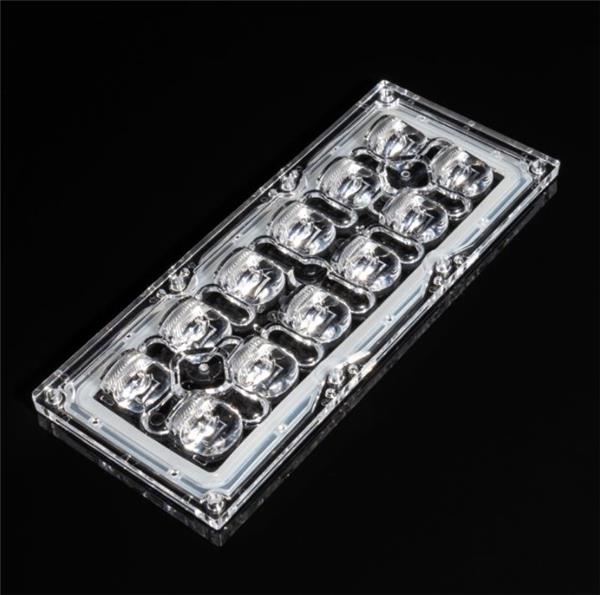
Where LED lenses and assemblies are used
These products are used in a wide range of technical environments. In industrial signaling, lens assemblies can support clear status indication and stable visibility for control panels or machine states. In lighting systems, they help define beam angle and intensity distribution so that light reaches the intended area with less waste.
They are also relevant in compact optoelectronic designs where the relationship between the emitter and the optical surface is critical. For projects that require a broader optics selection, it can also be useful to review related solutions such as LED lighting reflectors, which may be used alongside lenses depending on the beam shaping strategy.
Common forms within this category
LED optics are not limited to one format. Some parts are standalone lenses intended to be matched with compatible emitters or modules, while others are more complete optical assemblies designed for easier integration into signaling or lighting hardware. The right format depends on the mechanical design, mounting method, and the level of optical precision required.
The examples in this category show that the range can include small aspherical glass lenses, dome-style optics, spot diffusers, and permanent light elements. Products such as the PANASONIC EYL-GMFW491A and PANASONIC EYL-GMFB195ER illustrate compact aspherical lens options, while the TE Connectivity 2329013-1 LUMAWISE dome lens reflects another approach for LED protection and light shaping in assembled designs.
How lens geometry affects performance
The optical behavior of an LED system is strongly influenced by lens shape, material, and geometry. A narrow-angle optic may be preferred when designers need concentrated illumination or a defined spot pattern, while a wider or diffused lens may be more suitable for visual comfort, area coverage, or indicator visibility.
Round, dome, and aspherical profiles each serve different purposes. Aspherical lenses are often selected when tighter optical control is required, while diffuser-style optics can help soften intensity and spread light more evenly. In practical terms, the choice should consider not only beam performance but also installation constraints such as size, alignment tolerance, and operating environment.
Representative products and manufacturer options
This category includes products from established suppliers used in industrial and electronic applications. Basler appears here with several Moritex lens models, including 2200001294, 2200001346, 2200001298, and 2200001384, which are relevant for applications where optical precision and imaging-related performance may matter. You can also explore the broader Basler product range for related components.
For compact lens elements, PANASONIC offers parts such as the EYL-GMFA195E, EYL-GMFB195ER, and EYL-GMFW491A, which show the category’s coverage of small-form optical components. Other examples include the Dialight OPAA-1DF spot diffuser sub lens and PHOENIX CONTACT light elements such as 1018737, 1018264, and 2700125, which reflect the category’s relevance beyond pure illumination optics into visible machine and panel signaling.
Selection factors for engineering and procurement teams
When comparing LED lenses and assemblies, it helps to start with the application requirement rather than the part shape alone. Beam angle, optical pattern, lens diameter, height, mounting approach, and compatibility with the target LED or light source all influence whether a part will fit the design. In many cases, the same LED can behave very differently depending on the optic placed in front of it.
Procurement teams should also consider whether the requirement is for an individual lens, a preconfigured assembly, or a signaling light element that simplifies installation. Mechanical compatibility, operating temperature range, color or finish, and intended use with specific LED families can all affect selection. For broader comparison across optical formats, the main LED lenses and assemblies range can be reviewed alongside product-level requirements.
Lenses for signaling, indication, and specialized optical tasks
Not every product in this category is aimed at general illumination. Some items are clearly intended for permanent indication, rotating light elements, or panel-based visual signaling. PHOENIX CONTACT examples in this range show how optical assemblies can be part of a complete signaling function rather than a simple standalone lens.
At the same time, components such as the Dialight OPAA-1DF and the TE Connectivity 2329013-1 demonstrate how LED optics can support more specialized beam handling or protective optical structures. This makes the category useful for designers working across different project types, from industrial control interfaces to compact electronic lighting modules.
Choosing the right category fit
If the project requires direct beam control at the LED level, this category is the right place to evaluate lens components and integrated optical assemblies. It is especially relevant when the design calls for controlled distribution, compact packaging, or optical parts matched to signaling and indication hardware.
In many systems, the best solution depends on how the lens works with the emitter, housing, and mechanical layout as a whole. Reviewing a few representative options from Basler, PANASONIC, PHOENIX CONTACT, Dialight, and TE Connectivity can help narrow the choice based on optical style and intended use rather than relying on a one-size-fits-all approach.
Final considerations
LED optics play a practical role in turning raw light output into usable system performance. From small aspherical elements to dome lenses and signaling assemblies, this category supports applications where beam shaping, visibility, and integration matter. A careful comparison of optical form, application fit, and mounting requirements will usually lead to a more reliable and efficient design outcome.
For engineering, maintenance, and sourcing teams, a well-structured LED lens selection can reduce design compromise and improve consistency in the finished product. This category is a useful starting point for identifying optical parts that align with real installation and performance needs.
Get exclusive volume discounts, bulk pricing updates, and new product alerts delivered directly to your inbox.
By subscribing, you agree to our Terms of Service and Privacy Policy.
Direct access to our certified experts