MultiColor LEDs
When a design needs more than simple on/off indication, combining multiple emission colors in one compact package can simplify both the PCB and the user interface. MultiColor LEDs are widely used where status visibility, color mixing, space efficiency, or flexible visual signaling matter, from industrial panels and handheld electronics to architectural and specialty lighting assemblies.
Compared with using several separate emitters, these devices help reduce placement area and can make optical alignment easier. They also give engineers more options for building clear status logic, color-changing effects, or RGB and RGBW light sources within a single component footprint.
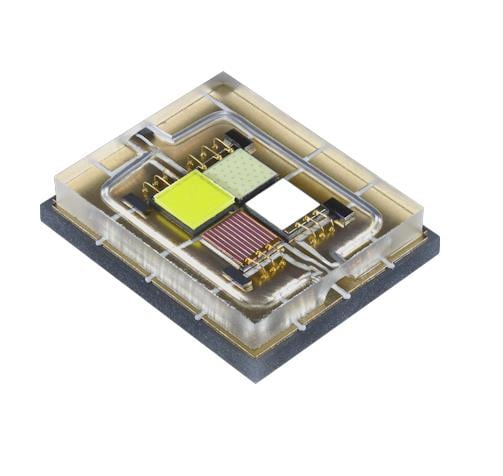
Where multicolor LED devices fit in electronic design
This category covers LEDs that integrate two or more colors in one package, including bi-color, tri-color, RGB, and RGBW formats. In practical terms, that means a single part can support straightforward green/red status indication, richer full-color signaling, or blended output for display, backlighting, and lighting-related applications.
Depending on the design goal, engineers may compare these parts with single-color LED options for simpler indicator circuits, or with white LED devices when the priority is general illumination rather than color control. The right choice usually depends on how many visual states are needed, how much board space is available, and whether color mixing is part of the final product behavior.
Common package styles and color configurations
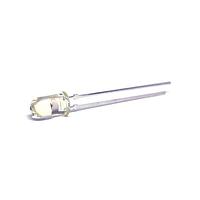
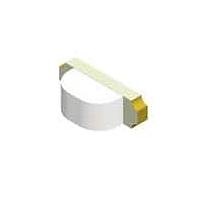
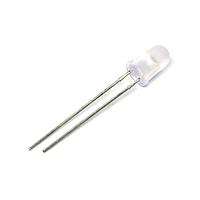
Multicolor LEDs are available in both surface-mount and through-hole formats. Surface-mount versions are common in compact electronics, control boards, and dense assemblies, while through-hole parts can still be useful for panel indication, prototyping, or applications where mechanical visibility is more important than miniaturization.
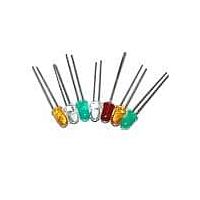
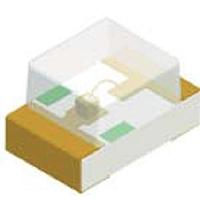
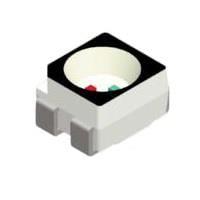
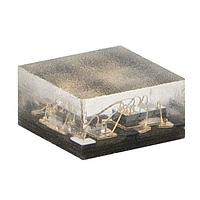
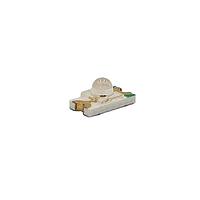
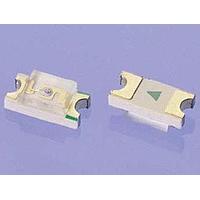
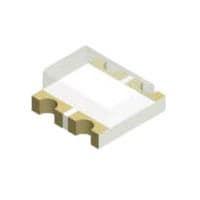
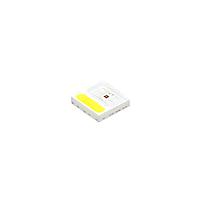
Color combinations in this category include green/red bi-color devices, RGB solutions, and RGBW variants that add a white channel for better flexibility in mixed-light applications. Package formats shown by representative parts here range from very small SMD footprints to PLCC-style packages and classic T-1 3/4 through-hole bodies, giving buyers options for both modern compact designs and more traditional indicator layouts.
Examples from leading manufacturers
Among the more prominent names in this category are ams OSRAM and Broadcom, both represented by a variety of multicolor LED formats. Their portfolios illustrate the breadth of use cases, from compact SMD indicators to higher-output RGBW devices intended for more demanding optical designs.
Examples include the ams OSRAM GWJ9LHS2.4M-C0C7-2+35+13+30AW-1-100-R, an 8-pin SMD multicolor LED with red, green, blue, and warm white channels, and the ams OSRAM LTRBRASF-6B6C-0112-0-0-R18, which combines red, true green, blue, and white in a 6-pin SMD package. On the Broadcom side, the HSMF-C114 provides a compact tri-color SMD option, while the ASMB-TTF0-0A20B offers RGB output in a PLCC package. For through-hole indication, the Broadcom NOKHLMP-4000 shows how bi-color green/red devices still serve practical roles in straightforward status signaling.
Additional examples in this category include PANASONIC LNJ757W86RA multicolor LEDs and the SamSung SPHWATABN100H6MBHD amber/white device, which highlight that multicolor solutions are not limited to standard RGB combinations. Depending on the optical and electrical design, mixed-color packages can also support warmer tone blending or application-specific visual output.
What to consider when selecting a multicolor LED
The first selection point is usually the color architecture. A simple bi-color LED may be enough for pass/fail or run/fault indication, while RGB parts are more suitable when multiple status states or programmable color output are required. RGBW options can be useful when designers want both saturated colors and a dedicated white channel in the same package.
Package size and mounting style are equally important. Very small SMD parts such as the Broadcom HSMF-C116 can help in dense layouts, while larger PLCC or 8-pin packages may better support higher brightness, wider optical requirements, or easier assembly handling. Through-hole styles remain relevant when the LED must be clearly visible on a front panel or mounted with a specific mechanical orientation.
Electrical limits should also match the intended drive scheme. Forward current, forward voltage by color, thermal processing tolerance, and operating temperature range all affect compatibility with the driver circuit and manufacturing process. In industrial environments, buyers often pay close attention to temperature capability and package reliability, especially when LEDs are used in equipment that runs continuously or is exposed to elevated ambient conditions.
Application areas for multicolor LEDs
One of the most common uses is status indication. Industrial controllers, communication devices, power systems, and embedded electronics often need to display several operating states with minimal panel space. A single multi-emitter package can communicate standby, active, warning, or fault conditions more efficiently than several separate lamps.
These LEDs are also used in user interfaces, keypad backlighting, compact displays, and decorative or accent lighting modules. Higher-channel-count devices, including RGBW parts, can support tunable color output or richer visual effects in products where both signaling and appearance matter. In more specialized optical systems, the exact wavelength and viewing-angle behavior may also influence part selection.
If the application moves beyond visible signaling into other spectral ranges, related categories such as IR LEDs or UV LEDs may be more appropriate. That distinction matters because visible multicolor devices are usually selected for human-facing indication or illumination, while IR and UV parts serve very different sensing, curing, or detection tasks.
Why package integration can simplify the bill of materials
Using one integrated multicolor package instead of several separate LEDs can help reduce component count, streamline placement, and improve consistency of emitted light from a defined point. This is especially helpful in compact consumer devices, compact industrial HMIs, and products where visual symmetry matters.
Integration can also simplify enclosure design. A single window, light pipe, or lens position may be enough to present multiple colors to the end user. While the driver circuit still needs to be designed correctly for each channel, the mechanical side of the design can often become cleaner and easier to repeat across product revisions.
Choosing the right category for your design stage
For engineers and buyers, the selection process usually starts with the intended function rather than the part name. If the requirement is simple visible indication with one state per LED, a single-color solution may be the better fit. If several states must be communicated in limited space, or if the design needs dynamic color output, multicolor packages become much more attractive.
It is also useful to screen parts by mounting style, number of pins, operating temperature range, and color channels early in the sourcing process. Representative devices from ams OSRAM, Broadcom, PANASONIC, and SamSung show that this category spans everything from miniature indicator LEDs to more feature-rich RGBW components for broader optical design needs.
Final thoughts
Multicolor LED devices offer a practical balance between compact integration and visual flexibility. Whether the goal is straightforward red/green indication, full RGB control, or a more advanced RGBW implementation, this category supports a wide range of electronic and industrial design requirements.
By narrowing the choice according to color combination, package style, mounting method, and operating conditions, buyers can identify parts that fit both the circuit and the end application more efficiently. For many modern designs, that makes multicolor LEDs a useful building block for clearer interfaces and more adaptable visual output.
Get exclusive volume discounts, bulk pricing updates, and new product alerts delivered directly to your inbox.
By subscribing, you agree to our Terms of Service and Privacy Policy.
Direct access to our certified experts