
Speaker
Clear audio matters in more workplaces than many buyers first expect. From meeting rooms and reception areas to training spaces, paging systems, and multimedia desks, the right speaker setup helps speech stay intelligible and media playback remain consistent without adding unnecessary complexity to the office environment.
On this page, buyers can explore speaker options used in office and commercial settings where reliability, simple integration, and practical sound coverage are more important than consumer-style marketing claims. Choosing the right unit usually starts with understanding the room, the intended content, and how the speaker will connect to the rest of the equipment already in use.
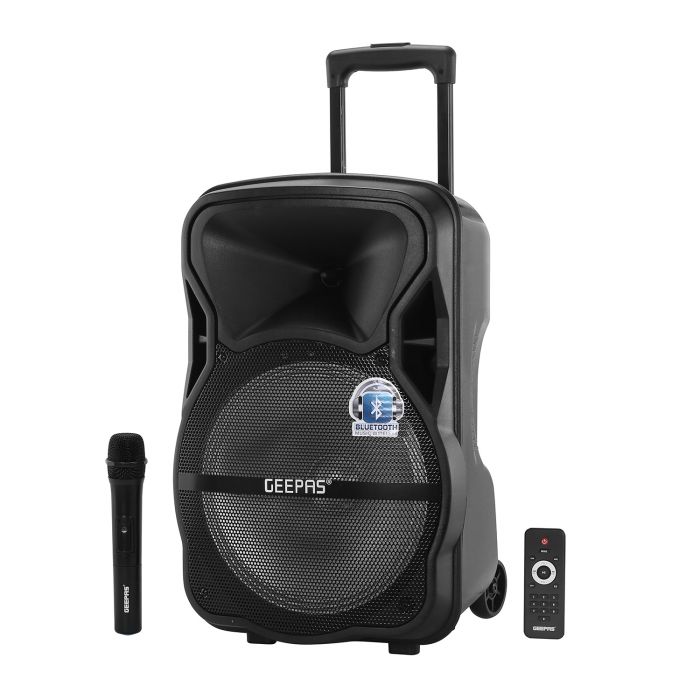
Where speakers are used in office equipment environments
In a business setting, speakers are commonly selected for conference rooms, presentation areas, internal announcement systems, front-desk communication points, and shared workspaces. Some applications prioritize clear voice reproduction for meetings and alerts, while others need balanced playback for training videos, demonstrations, or background audio.
This makes selection more application-driven than brand-driven. A speaker intended for a small desk or local workstation may not suit a larger room, and a unit used for speech announcements may be evaluated differently from one used for multimedia presentations. Understanding that context helps narrow the category to practical, suitable options.
Key factors to consider before choosing a speaker
The first step is to define the listening environment. Room size, ceiling height, background noise, and listener distance all affect how much output and coverage are needed. In many offices, the goal is not maximum volume but speech clarity, even distribution, and dependable day-to-day operation.
It is also important to review the connection method and system layout. Buyers often need to consider whether the speaker will work with existing office AV devices, communication hardware, or other support equipment. Mounting style, placement constraints, and maintenance access can also influence which products make sense for procurement teams and facility managers.
Matching speaker type to the application
Different office scenarios call for different speaker formats. Compact units may be suitable for desktop or local audio use, while larger installed systems may be better for training rooms or public-facing spaces. In environments where spoken announcements are critical, the emphasis is usually on intelligibility and stable operation rather than wide bass response or entertainment-focused tuning.
When the speaker is part of a broader workflow, it can also be helpful to think in terms of the surrounding ecosystem. For example, offices handling media transfer or device management may also evaluate related equipment such as data duplicators or data sanitizing equipment as part of a larger operational setup. While these are separate categories, they often appear in the same technology procurement process.
Practical buying criteria for B2B procurement
For business buyers, speaker selection is often less about individual preference and more about deployment consistency. When several rooms or work areas need comparable audio performance, standardizing around suitable product types can simplify installation, training, and long-term replacement planning.
Procurement teams may also compare ease of setup, compatibility with existing office infrastructure, and whether a speaker is intended for temporary use or permanent installation. In some projects, a simple and robust solution is preferable to a feature-heavy system that increases setup time without delivering meaningful operational value.
How speakers fit into the wider office equipment category
Although speakers are a distinct product group, they are often purchased alongside other practical office tools and support devices. That can include general office supplies, as well as specialized equipment used in document handling and operational workflows.
In administrative or finance-related environments, buyers may also compare adjacent categories such as currency binding machines when planning equipment upgrades for back-office functions. These products serve very different purposes, but they share the same broader purchasing logic: fit-for-purpose performance, durability, and ease of use in professional settings.
Common use cases in commercial and administrative spaces
Speakers in this category can support a range of routine tasks. Examples include delivering audio in small meeting rooms, supporting internal presentations, improving audibility at service counters, or reinforcing messages in waiting areas and shared facilities. In each case, the correct choice depends on how the audio will actually be used rather than on broad product labels alone.
For many organizations, the most effective approach is to begin with the primary use case and work outward. If the main requirement is voice communication, the buyer may prioritize clarity and controlled coverage. If the system will support mixed media content, then more attention may be given to fuller sound reproduction and integration with presentation equipment.
Choosing with long-term usability in mind
A well-selected office audio solution should be easy to operate for non-specialist staff. This is especially important in shared environments where equipment may be used by different teams, visitors, or temporary operators. Straightforward controls, suitable placement, and stable performance can reduce avoidable support issues over time.
It is also useful to think beyond the first installation. Businesses often benefit from choosing speaker options that can be maintained, repositioned, or expanded as room layouts and communication needs change. This helps keep the system practical over the full equipment lifecycle rather than only at the moment of purchase.
Final considerations for selecting the right speaker
The most suitable speaker for an office or commercial setting is usually the one that matches the real acoustic requirement, integrates smoothly with the existing setup, and remains easy to manage in daily use. Instead of focusing only on headline features, buyers should look at application fit, environment, and operational practicality.
By reviewing the intended use, room conditions, and surrounding equipment needs, procurement teams can make a more confident choice within this category. A well-matched solution supports clearer communication, smoother presentations, and a more functional workplace audio setup overall.
Get exclusive volume discounts, bulk pricing updates, and new product alerts delivered directly to your inbox.
By subscribing, you agree to our Terms of Service and Privacy Policy.
Direct access to our certified experts