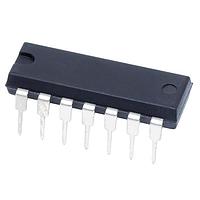
Feedback Loop Power Controllers
Stable power conversion depends on more than switching elements alone. In many designs, the quality of regulation comes from how accurately the control circuit senses output conditions, compares them to a reference, and corrects the system in real time. That is where Feedback Loop Power Controllers become important, especially in regulated supplies, isolated power designs, and control architectures that need predictable analog behavior.
This category brings together control-oriented devices used to manage power feedback paths, improve loop response, and support reliable voltage regulation. It is particularly relevant for engineers selecting components for industrial electronics, embedded power stages, converter control circuits, and related analog power designs.
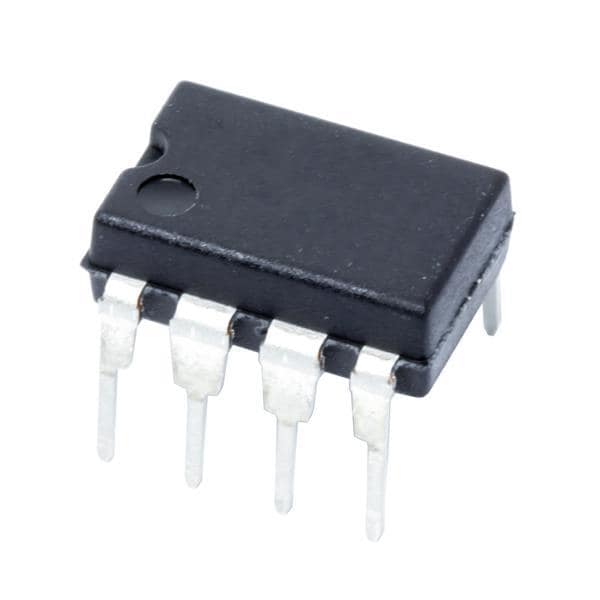
Where feedback loop power controllers fit in a power design
A feedback loop is central to any regulated power system. The controller monitors a sensed parameter such as output voltage or current, compares it with a reference value, and drives corrective action so the converter or power stage remains within the intended operating range. In practical terms, this helps reduce drift, maintain output consistency, and support safer operation across changing load conditions.
Within broader power management architectures, these devices are often chosen when designers need precision analog control rather than a simple passive solution. Depending on the application, the circuit may support isolated feedback, reference generation, compensation behavior, or supervisory analog control in equipment ranging from industrial boards to embedded supplies.
Typical device types in this category
The products shown here reflect two common directions in this segment. One group includes isolated feedback generators, which are used in designs where control information must cross an isolation barrier while preserving regulation quality. This is often relevant in offline or industrial power systems where safety isolation and feedback stability must work together.
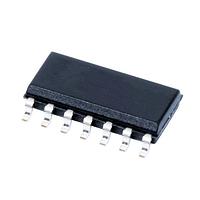
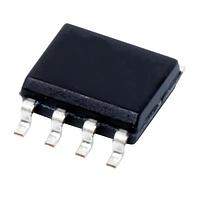
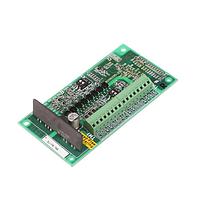
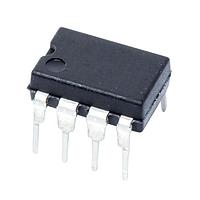
Another group includes precision analog controllers that support accurate loop behavior through reference-based control. Devices such as the Texas Instruments UC29432N and UC39432D illustrate this type of component, while the UC2901 and UC3901 families represent isolated feedback generator options in both through-hole and SMD/SMT formats. The presence of board-level items such as the Omron Automation and Safety SJ-FB also shows that feedback control can extend beyond ICs into system integration hardware.
Selection factors that matter in real applications
Choosing the right part is usually less about a single headline specification and more about how the controller fits the overall power topology. Engineers typically evaluate mounting style, reference voltage, operating temperature range, and the way the component interacts with the rest of the control loop. Through-hole parts may still be preferred in legacy platforms or prototyping, while SMD/SMT versions are often selected for compact production assemblies.
Environmental conditions also matter. Some listed devices support wider temperature ranges, making them more suitable for harsher industrial environments. Reference voltage values around 1.3 V or 1.5 V can also influence compatibility with the surrounding analog design, especially when loop accuracy and sensing thresholds must align with the rest of the circuit.
If your project involves adjacent power functions such as sensing or regulation, it may also be useful to review current and power monitoring devices alongside feedback-oriented control components.
Examples from Texas Instruments and Omron Automation and Safety
Texas Instruments is the main manufacturer represented in the featured products for this category, with several devices intended for analog feedback and isolated control applications. Examples include the UC2901D, UC2901N, UC3901D, and UC3901N for isolated feedback generator roles, as well as the UC29432D, UC29432N, UC39432D, and UC39432N for precision analog controller functions. These parts provide engineers with packaging and temperature-range options that can support both new designs and maintenance requirements.
Omron Automation and Safety appears here with the SJ-FB feedback board, a reminder that some feedback-related solutions are implemented as system accessories rather than standalone ICs. In drive and automation environments, this kind of hardware can play a specific role in extending control functionality within a larger platform.
How this category relates to nearby power management needs
Feedback loop control rarely exists in isolation. In many systems, it is part of a broader chain that includes conversion, sensing, and battery or energy management functions. That is why engineers often compare these products with related categories depending on the design stage and control strategy.
For example, applications centered on isolated or offline conversion may overlap with AC/DC converter solutions, while portable or energy-storage designs may also require battery management components. Looking at these related areas can help narrow down whether the project needs a dedicated feedback controller, a broader power IC, or a combination of both.
When to use a dedicated feedback control device
A dedicated controller is often worth considering when the power architecture demands tighter loop behavior, isolation-aware regulation, or analog control functions that are not easily achieved with generic components. This is especially relevant in industrial electronics, repair and replacement work, and designs where proven controller families are preferred for continuity.
It can also make sense when the application requires a known control building block rather than a fully integrated solution. In those cases, separating the feedback function from other power stages can give designers more flexibility in compensation, layout, and troubleshooting. Teams working on broader programmable analog functions may also want to compare with configurable mixed-signal IC options where appropriate.
Practical buying considerations for B2B sourcing
For procurement teams, the key is to match the component not only to the schematic but also to assembly method, environmental requirements, and lifecycle expectations. Package format, operating temperature, and the distinction between IC-level and board-level feedback products can all affect substitution and qualification decisions. Even when two parts seem similar, differences in mounting style or temperature rating may impact manufacturability or long-term serviceability.
It is also helpful to review whether the application needs isolated feedback generation, a precision analog control stage, or a supporting feedback accessory. Using the category as a shortlist rather than just a parts list makes it easier to identify products that align with the actual control method used in the end equipment.
Conclusion
In regulated power systems, feedback quality has a direct effect on stability, accuracy, and overall performance. This category is intended for buyers and engineers looking for components that support that control layer, from isolated feedback generator devices to precision analog controller ICs and related hardware.
By comparing package style, temperature range, reference behavior, and intended role in the control loop, it becomes easier to find a suitable part for both new development and replacement demand. For industrial and embedded power designs alike, a well-matched feedback controller can make the difference between a power stage that merely operates and one that regulates with confidence.
Get exclusive volume discounts, bulk pricing updates, and new product alerts delivered directly to your inbox.
By subscribing, you agree to our Terms of Service and Privacy Policy.
Direct access to our certified experts