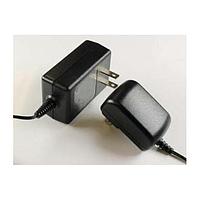
Plug-In AC Adapters
Reliable external power is often one of the simplest but most critical parts of an electronic system. In lab equipment, embedded devices, communication hardware, and commercial electronics, the right adapter helps deliver stable DC output from standard AC mains while reducing design complexity at the device level. This is why many engineers and buyers look for Plug-In AC Adapters that match their electrical requirements, safety expectations, and regional deployment needs.
This category brings together external adapters used to power a wide range of systems without requiring an internal power supply design. For OEM sourcing, prototyping, maintenance, or replacement purchasing, these products are commonly selected based on output voltage, output current, power rating, input range, and mechanical compatibility with the end application.
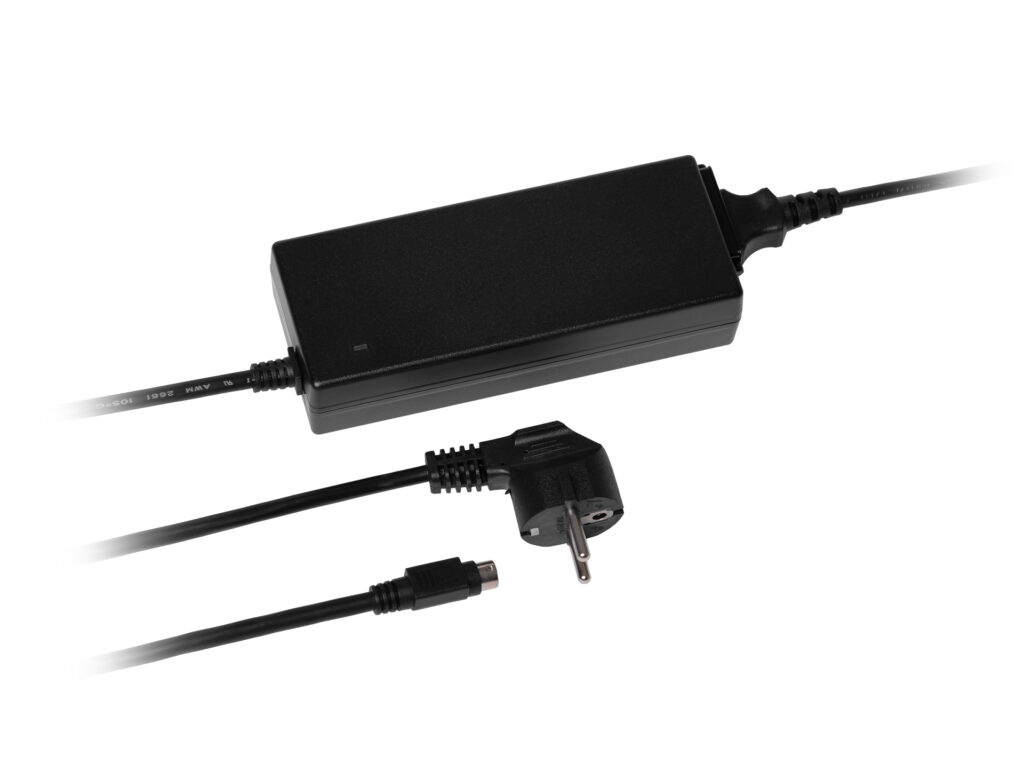
Where plug-in AC adapters fit in a power architecture
A plug-in adapter converts utility AC input into a usable DC output for downstream electronics. This approach is practical when designers want a compact external power source, easier field replacement, and reduced thermal or certification burden inside the main device. It is commonly used for networking products, HMI panels, test accessories, development boards, small automation devices, and portable instruments.
Compared with board-level solutions, external adapters simplify installation and service. In applications that require integration inside an enclosure, buyers may also consider AC/DC power modules as an alternative, depending on whether the power conversion is intended to remain outside or inside the equipment.
Typical selection criteria for engineering and procurement teams
The first step is to verify the required output voltage and current of the load. The adapter should provide the correct nominal voltage and enough current capacity for steady operation, startup demand, and reasonable headroom. Choosing only by connector style or wattage can lead to unstable performance or premature replacement cycles.
Input range also matters, especially for products deployed across multiple regions. Many adapters in this category are intended for broad AC input compatibility, which supports international usage and simplifies purchasing. Compliance expectations, efficiency level, and overall electrical regulation should also be reviewed when the adapter is being used in commercial, industrial, or customer-facing equipment.
Mechanical format is another practical consideration. Buyers should check whether the adapter is intended as a wall plug-in style or external in-line unit, and confirm cable, plug, and end-device interface requirements before ordering. When a broader sourcing comparison is needed, it can also be useful to review other power supply options for applications with less conventional form factors.
Examples from leading manufacturers in this category
This range includes products from recognized suppliers such as Advanced Energy, Delta Electronics, Inc., Emerson Network Power, and Adafruit. These brands are relevant across engineering, embedded, and industrial purchasing workflows because they cover everything from compact adapters for lower-power electronics to higher-wattage units for more demanding loads.
Examples in the category include the Advanced Energy DA12-050EU-M, Advanced Energy DCH3-050US-0004, and Advanced Energy TE20A1203C01 for common external adapter sourcing needs. Delta Electronics, Inc. models such as ADP-90MD HDM, ADP-65DE BBL, and ADP-65TW AC illustrate the variety available for different load profiles and deployment scenarios.
For applications that require clearly defined DC output ratings, examples like the Emerson Network Power DPS54-M 15V 4A 60W, DP4024N2M 24V 1.67A 40W, and DP4018N2M 18V 2.22A 40W show how buyers often narrow choices by voltage rail and power level. Adafruit 2591 is also representative of the type of external adapter often used in development, maker, and light embedded ecosystems.
Common application scenarios
Plug-in adapters are widely used where fast deployment and easy replacement matter. They are a common fit for gateways, control accessories, desktop instruments, sensor interfaces, development platforms, and peripheral electronics that do not require an internal PSU. In maintenance environments, an external adapter can also simplify spare stocking and reduce downtime.
They are equally useful during prototyping and pilot production. Instead of designing a custom internal supply at an early stage, teams can validate electronics using a compatible external source, then decide later whether the final product should continue using an adapter or move to an integrated conversion stage.
Why output stability and compliance details matter
In B2B purchasing, the adapter is not just an accessory. It directly affects reliability, safety, and end-user experience. A regulated output, suitable input tolerance, and appropriate approvals can all influence whether the powered system performs consistently in real operating conditions.
For instance, one listed model, the Emerson Network Power DPS54-M, is described as an AC-DC unit with a wide input range and a 15V, 4A, 60W output. Another example, the DP4018N2M, is identified as an AC-DC regulated adapter with 18V output and 2.22A maximum current. These kinds of parameters are often the practical basis for shortlisting adapters for industrial electronics, service replacements, or equipment bundles.
Choosing between plug-in adapters and adjacent power supply categories
The best choice depends on how the end device is designed and deployed. If the application benefits from an external power brick or wall adapter that can be replaced without opening the equipment, this category is the natural starting point. If the power conversion must be integrated into the system enclosure, an internal module may be more appropriate.
Some buyers also compare external DC-output units with plug-in AC adapters in adjacent sourcing workflows when standardizing power accessories across product families. The most efficient approach is usually to align electrical output, connector expectations, installation environment, and service model before narrowing to a specific manufacturer or series.
What to review before placing an order
Before final selection, confirm the required DC output, available AC mains environment, connector and polarity requirements, and expected duty cycle. It is also wise to check whether the adapter will be used in office, industrial, educational, or field conditions, since operating context can influence the preferred power margin and product format.
For recurring B2B orders, consistency is especially important. Standardizing on a suitable adapter family from suppliers such as Delta Electronics, Inc. or Emerson Network Power can help streamline replacement planning, reduce compatibility issues, and make future procurement more predictable across multiple projects.
Final considerations
External adapters remain a practical and widely used solution for powering electronic equipment with minimal integration effort. Whether the requirement is a compact adapter for development hardware or a defined 15V, 18V, 19V, or 24V output for deployed equipment, this category supports straightforward sourcing around real electrical and application needs.
When comparing options, focus on the essentials: output requirements, input compatibility, form factor, and suitability for the device being powered. A careful review of those factors will make it easier to identify the right plug-in adapter for reliable day-to-day operation.
Get exclusive volume discounts, bulk pricing updates, and new product alerts delivered directly to your inbox.
By subscribing, you agree to our Terms of Service and Privacy Policy.
Direct access to our certified experts