RF Shields
Reliable signal measurements, stable wireless testing, and controlled electromagnetic environments all depend on one practical foundation: effective RF shielding. In laboratories, production lines, MRI facilities, and EMC test setups, the right shielding solution helps reduce unwanted interference, improve repeatability, and protect sensitive equipment from external noise.
This category brings together RF Shields used in enclosure building, room shielding, test isolation, and absorber-based control of reflections. Rather than serving a single purpose, these products support a wider RF ecosystem that includes test cabinets, shielded rooms, doors, windows, waveguide penetrations, conductive mesh, and absorber materials for more controlled electromagnetic performance.
Where RF shields are used in real applications
RF shielding is relevant anywhere electromagnetic leakage or ambient interference can affect results. Common examples include wireless device testing, EMC pre-compliance work, research environments, secure equipment enclosures, and specialized medical spaces such as MRI installations. In each case, the goal is not simply to block signals, but to create a more predictable operating environment.
Shielding can also be part of a broader RF design chain. For example, engineers working with couplers or active signal paths may still need physical shielding to reduce coupling, leakage, or external contamination during validation. That makes this category useful not only for facility infrastructure, but also for bench-level and product-level test control.
Typical RF shielding solutions in this category
The scope of this category extends from construction materials to complete shielded assemblies. For larger installations, products such as the EMCPIONEER Weld Type RF Shielded Room and EMCPIONEER Pan Type RF Shielded Room illustrate two approaches to creating enclosed RF-controlled spaces. These are relevant when broad shielding effectiveness across magnetic field, plane wave, and microwave ranges is required.
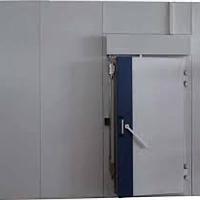
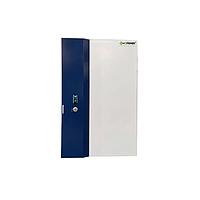
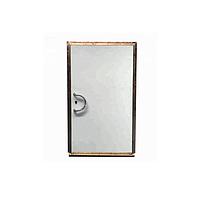
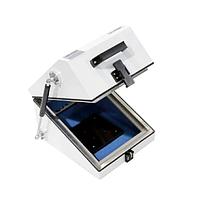
At the enclosure level, the EMCPIONEER RF Shielded Box supports testing of Bluetooth, Wi-Fi, phones, and other wireless products in a compact isolated environment. For access points in shielded structures, dedicated components such as the EMCPIONEER RF Shielded Door, EMCPIONEER MRI Door Shielded Door, and EMCPIONEER MRI Window Shielded Window show how entries and viewing panels can be integrated without compromising shielding performance.
Materials that support effective shielding performance
Good shielding is rarely the result of one part alone. It usually comes from a combination of conductive materials, controlled openings, sealing details, and internal treatment where needed. Products such as the EMCPIONEER RF Shielding Wire Mesh provide a flexible conductive material option for shielding assemblies and custom builds, with material choices including copper, brass, and stainless steel.
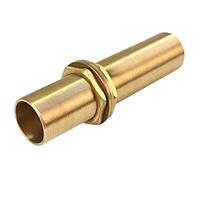
Openings for ventilation or cable routing also need attention. The EMCPIONEER Waveguide Pipe is a good example of a shielding component used where airflow or pass-through functionality is required while limiting RF leakage. In practical terms, these supporting materials often determine whether a shielded box or room performs consistently over time, especially at seams, joints, and service penetrations.
Managing reflections inside shielded spaces
Shielding alone does not automatically create an ideal RF test environment. In many cases, reflected energy inside the enclosure must also be controlled to improve measurement stability or reduce unwanted resonances. That is where RF absorber materials become important.
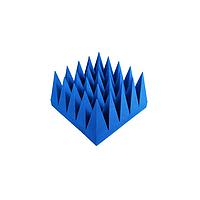
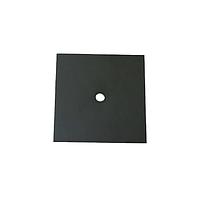
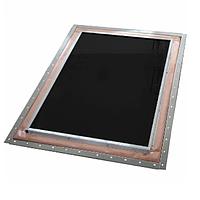
The EMCPIONEER Ferrite Tile RF Absorber & Ferrite Tile and EMCPIONEER RF Absorber provide two useful examples of internal treatment options. Ferrite-based materials are often used in lower-frequency reflection control, while absorber structures can be selected according to installation needs and target absorption levels. This makes them relevant for shielded rooms, test chambers, and cabinets where both isolation and interior damping matter.
How to choose the right RF shield for your application
The best starting point is the actual use case. A compact product test setup usually calls for a shielded box, while room-scale isolation may require a pan-type or weld-type shielded room. If the project involves medical imaging infrastructure, specialized shielded doors and windows may be more relevant than general-purpose EMC enclosures.
It is also important to consider operating frequency range, required attenuation level, mechanical access, installation constraints, and whether absorber treatment is needed inside the space. For designs involving broader signal conditioning or routing, related RF categories such as RF multiplexers or phase detectors and shifters may appear elsewhere in the system, but physical shielding remains a separate selection decision tied to enclosure integrity and test objectives.
EMCPIONEER solutions in this category
EMCPIONEER is the main featured manufacturer in this category, with products that cover both shielding infrastructure and supporting materials. The range shown here includes shielded rooms, doors, windows, wire mesh, waveguide components, absorbers, ferrite tiles, and compact RF shielded boxes. That breadth is useful for buyers who need to assemble a more complete shielding solution rather than source isolated parts without system context.
Because different applications place different demands on access, attenuation, acoustics, installation method, and customization, it is worth comparing solution types instead of focusing on a single specification line. A shielded room, for example, solves a different problem than a shielded box, while absorbers and conductive mesh often play supporting roles that directly affect overall performance.
Integration considerations for technical buyers
For procurement teams, system integrators, and test engineers, RF shielding should be evaluated as part of the full installation workflow. That includes available space, service penetrations, maintenance access, expected device-under-test size, and whether the setup needs future modification. A well-chosen shield is easier to install, easier to operate, and more likely to support repeatable technical results.
It can also help to distinguish between shielding products and adjacent RF components. If your project also involves board-level or signal-chain design, related categories such as modulator / demodulator devices may be relevant elsewhere, but enclosure shielding serves a different engineering purpose: controlling the electromagnetic environment around the system.
Finding the right fit for your RF environment
This selection of RF shields supports a wide range of applications, from custom enclosures and pass-through elements to full shielded rooms and absorber-treated spaces. Whether the priority is reducing interference, isolating wireless testing, or building a controlled room for sensitive equipment, the category is designed to help technical buyers compare solution types in a practical way.
When reviewing options, focus on the actual installation context, not just isolated performance figures. The right combination of room structure, access components, conductive materials, and absorber treatment will usually deliver better long-term results than choosing any single item in isolation.
Get exclusive volume discounts, bulk pricing updates, and new product alerts delivered directly to your inbox.
By subscribing, you agree to our Terms of Service and Privacy Policy.
Direct access to our certified experts