Vibration Online Monitor, Sensor
Unplanned vibration is often one of the earliest signs that rotating equipment is moving away from normal operating conditions. In motors, pumps, fans, compressors, and similar assets, the ability to detect that change early helps maintenance teams reduce downtime, improve reliability, and make condition-based decisions before a minor issue becomes a costly failure.
Vibration Online Monitor, Sensor solutions are used for continuous machine condition monitoring where real-time or near-real-time feedback matters. Compared with periodic handheld checks, permanently installed sensors and monitoring points support trend analysis, alarms, and integration into broader maintenance strategies across industrial facilities.
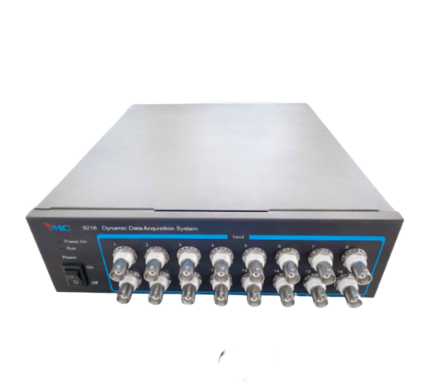
Where vibration monitoring is typically used
Online vibration sensing is widely applied to rotating machinery that runs continuously or supports critical processes. Common examples include electric motors, bearing housings, centrifugal pumps, gearboxes, blowers, cooling systems, conveyors, and other production assets where abnormal vibration may indicate imbalance, misalignment, looseness, bearing wear, or mechanical deterioration.
In many plants, these devices are selected not only for fault detection but also for predictive maintenance workflows. A stable monitoring point makes it easier to compare data over time, identify trends, and decide when inspection or shutdown should be planned. For users building a broader motion monitoring setup, related products such as speed sensors can also be relevant when vibration needs to be evaluated alongside rotational behavior.
Online monitor and sensor roles in a condition monitoring system
A vibration monitoring setup can include the sensing element itself, signal output, and the monitoring layer that interprets the measurement. In practical terms, the sensor is installed at or near the machine point of interest, while the monitoring side may feed a PLC, control panel, alarm circuit, or maintenance platform depending on the plant architecture.
This category focuses on devices intended for continuous use rather than occasional spot checks. That makes them suitable for installations where operators need a persistent view of machine health, whether for local alarming, centralized monitoring, or integration into a wider condition monitoring strategy.
How to choose the right vibration sensor for your application
Selection usually starts with the machine type and the monitoring objective. Some applications focus on early fault indication on general industrial equipment, while others require solutions suited to harsher environments, safety-related areas, or specific installation constraints. Mounting style, electrical interface, cable routing, and compatibility with the existing control system all affect the final choice.
It is also important to consider whether the installation requires specialized versions for different operating environments. In the product range shown here, examples such as Amphenol PC420VR-10, Amphenol PC420VR-20, and Amphenol PCC421VR-20-R6 illustrate that vibration sensors are available in multiple variants intended for different integration needs. Where hazardous or protected installations are involved, model suffixes and approvals become especially important, so buyers should always verify fit with the application requirements before purchase.
Featured product examples in this category
This category includes several vibration sensing models from Amphenol, giving buyers a practical starting point when comparing options for industrial monitoring projects. Representative examples include Amphenol PC420VR-10-DV, Amphenol PC420VR-20-DV, Amphenol PC420VR-20-DA, and Amphenol PC420VR-30-DA, along with variants such as PC420VR-10-EX, PC420VR-20-EX, PC420VR-10-IS, PC420VR-20-IS, and PC421VR-10-IS.
These model families are useful to mention because they reflect how vibration sensing products are often offered in several versions rather than as a single universal part number. For engineering, maintenance, and procurement teams, the key is not simply choosing any vibration sensor, but selecting the version that aligns with plant standards, installation method, signal expectations, and site operating conditions.
Manufacturer landscape and ecosystem context
Although the listed products in this category are centered on Amphenol models, the broader ecosystem of sensing and industrial monitoring can involve suppliers such as Amphenol PCB Piezotronics, Advantech, FLUKE, Dwyer, and Eaton depending on the project scope. In real-world deployments, vibration data may sit alongside environmental, electrical, or process information collected from other instrumentation layers.
That broader context matters because vibration monitoring is rarely isolated in modern industrial maintenance. It often works as part of a connected reliability approach, where sensor outputs support diagnostics, alerting, or asset health review across multiple systems. If you are also evaluating solutions for continuous machine condition feedback, you may want to review the related online vibration monitoring category structure on this page to compare available product options more efficiently.
Installation and integration considerations
For online vibration measurement, installation quality has a direct impact on data usefulness. Sensor location, mounting integrity, wiring practice, and environmental protection all influence signal consistency. Even a capable device may produce poor trending data if it is mounted on an unsuitable point or exposed to avoidable mechanical or electrical interference.
Integration should also be planned from the start. Buyers should confirm how the sensor output will be used, whether for local indication, control system input, alarming, or long-term analysis. This helps avoid mismatches between the field device and the receiving system, especially in plants where machine monitoring is expected to support maintenance teams, operations staff, and automation engineers at the same time.
Why this category matters for industrial maintenance teams
Continuous vibration monitoring supports a more proactive maintenance model. Instead of relying only on periodic inspection intervals, teams can track machine behavior over time and respond when the data suggests degradation. This is particularly valuable on critical assets where an unexpected stop can affect throughput, safety planning, or maintenance scheduling.
For B2B buyers, the value of this category lies in bringing together products intended for persistent machine health observation, with model variations that can better match real installation conditions. Whether you are standardizing monitoring points across a facility or sourcing replacements for an existing setup, a structured view of available vibration sensors makes comparison and specification review more practical.
Final considerations before selecting a model
Choosing the right online vibration sensor is usually less about finding a generic device and more about matching the sensor to the machine, environment, and monitoring objective. Reviewing model variants, installation constraints, and system compatibility early will help narrow the shortlist and reduce integration issues later.
As you compare products in this category, focus on application fit, monitoring method, and long-term maintainability. A well-chosen vibration sensing solution can improve visibility into machine condition and support more confident maintenance decisions across industrial operations.
Get exclusive volume discounts, bulk pricing updates, and new product alerts delivered directly to your inbox.
By subscribing, you agree to our Terms of Service and Privacy Policy.
Direct access to our certified experts