LED Heat Sinks & Thermal Substrates
Effective thermal design is one of the key factors that determines LED reliability, light output stability, and service life. In lighting assemblies, signage, machine vision, and other electronics that use high-power emitters, the ability to move heat away from the LED junction is just as important as electrical drive conditions. This is where LED Heat Sinks & Thermal Substrates play a practical role in maintaining performance over time.
This category brings together passive and active cooling components used to manage heat in LED systems, from compact star-format heat sinks to larger radial-fin designs and LED-ready substrate solutions. For engineers, buyers, and integrators, the main goal is not simply finding a part that fits mechanically, but selecting a thermal solution that matches the LED package, mounting method, airflow conditions, and overall power level of the application.
Why thermal management matters in LED assemblies
Although LEDs are efficient light sources, they still generate heat that must be transferred away from the device. If that heat is not controlled, junction temperature rises, which can reduce luminous efficiency, shift color characteristics, and shorten operating life. In industrial and commercial environments, these effects may lead to inconsistent output, premature maintenance, or reduced system reliability.
A well-matched thermal path usually includes the LED package, the mounting interface, the substrate or board material, and the heat sink itself. In some designs, airflow is also added to increase heat removal. When evaluating a solution, it is useful to think in terms of the entire thermal stack rather than treating the heat sink as an isolated part.
What you will find in this category
This range includes several common approaches to LED cooling. Heat sinks are available in forms such as radial fin, longitudinal fin, omnidirectional fin, square basket style, and star-board-compatible designs. These variations support different mounting geometries, enclosure constraints, and convection conditions.
The category also includes thermal substrates used as part of the LED mounting structure. For example, the Bergquist 805245 LED IMS substrate is relevant where the board material itself contributes to heat spreading from the LED into the rest of the thermal system. In many LED assemblies, the substrate and heat sink should be chosen together so that electrical, mechanical, and thermal requirements stay aligned.
Common product styles and where they fit
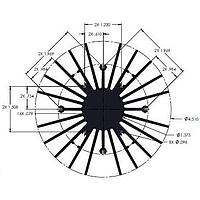
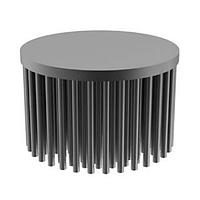
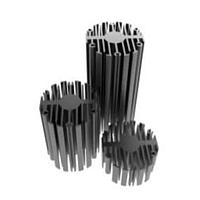
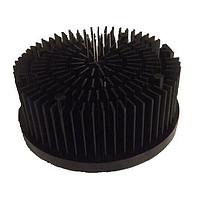
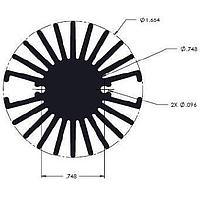
Radial-fin heat sinks are widely used in LED lighting because they provide a large surface area and support natural convection in multiple orientations. Examples in this category include several Wakefield Thermal models such as the 19756-M-AB, 19755-S, and 19754-M-AB, which illustrate how radial-fin options can scale from compact formats to larger solutions intended for higher thermal loads.
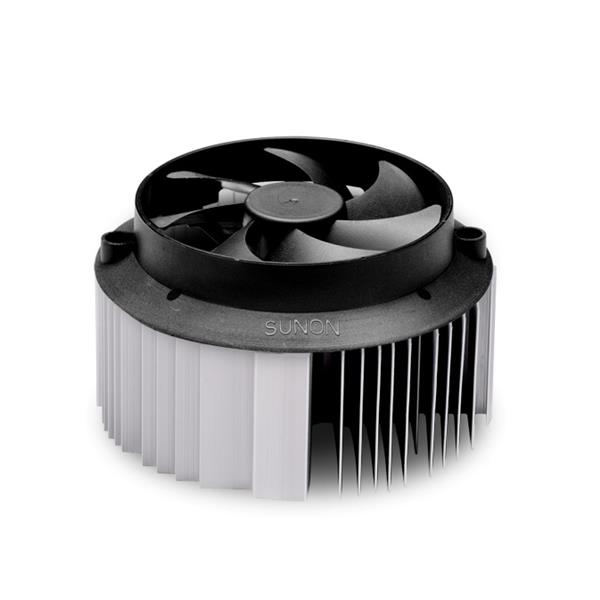
For applications that need more active cooling, a fansink can be a practical choice. The Sunon LA006-007A83DY is an example of a cooling module that combines heat sink geometry with forced airflow, which can be useful when the enclosure is compact or the LED power density is relatively high. If your design depends on air movement, it may also be helpful to review related fans and blowers used in broader thermal management systems.
Compact directional or specialty forms are also represented here. The Aavid 500400B00000G shows a square basket style approach for LED cooling, while the Advanced Thermal Solutions ATSEU-077B-C6-R0 highlights a star LED heat sink format that can suit smaller integrated modules. These options can be especially relevant when mounting space, board shape, or optical assembly layout imposes tighter design constraints.
How to choose the right LED heat sink or substrate
The first step is to match the mechanical interface. Check the LED package family, star form factor compatibility, mounting style, and available installation space. Several listed parts use screw mounting, which can be beneficial when repeatable attachment and secure mechanical contact are important in production or service environments.
Next, consider the expected thermal load and cooling method. Larger aluminum heat sinks generally provide greater dissipation capability, but geometry matters as much as size. Radial-fin parts support broad airflow exposure, while taller or denser designs may suit vertical convection differently. Where natural convection is insufficient, an active solution like a fansink may be more appropriate than simply increasing heat sink mass.
Material selection also matters. Many products in this category use aluminum, a common choice because it balances thermal performance, weight, cost, and manufacturability. In substrate-based designs, the board construction influences how effectively heat moves from the LED into the heat sink, so the thermal interface should be reviewed as a complete assembly rather than a single component decision.
Representative manufacturers in this range
This category features established names in thermal management, including Wakefield Thermal, Sunon, Bergquist, Aavid, and Advanced Thermal Solutions. Each brand is relevant for different thermal design needs, from passive LED heat sinks and star-board solutions to active cooling modules and substrate technologies.
Wakefield Thermal appears prominently in this range with multiple LED-oriented heat sink formats, making it a useful reference point when comparing radial-fin options across different physical sizes. Sunon is especially relevant when forced-air cooling is needed, while Bergquist is notable in applications where the substrate itself forms an important part of the heat transfer path.
Related components that support thermal protection and monitoring
In many industrial LED systems, heat dissipation is only one part of a broader thermal strategy. Designers may also monitor temperature directly at the board or enclosure level to improve control and protection. Depending on the application, related categories such as board mount temperature sensors or thermistors can complement the heat sink selection process.
Where overheating protection is critical, especially in enclosed luminaires or power-dense assemblies, protective devices such as thermal cutoffs may also be considered as part of the overall safety concept. These components do not replace proper cooling design, but they can help reduce risk when abnormal thermal conditions occur.
Typical applications for LED thermal components
LED heat sinks and thermal substrates are commonly used in high-brightness lighting modules, architectural fixtures, spot and directional lighting, machine vision illuminators, display lighting, and custom OEM assemblies. The exact thermal requirement depends on factors such as LED power, duty cycle, ambient temperature, housing design, and whether the system runs continuously or intermittently.
For prototype work, engineers often start by identifying a physically compatible heat sink and then validating temperature rise under realistic operating conditions. For production sourcing, buyers tend to focus on repeatable mounting, material consistency, and compatibility with the chosen LED package. In both cases, the most suitable part is usually the one that fits the thermal objective and assembly method without overcomplicating the design.
Choosing with confidence
A strong LED thermal solution is built on fit, heat flow, and application context rather than on part size alone. Whether you are comparing a compact star-format heat sink, a larger radial-fin design, a fansink, or an LED IMS substrate, the right choice depends on how the component works within the full mechanical and thermal system.
Explore this category to compare LED-focused thermal options from recognized manufacturers and identify components that align with your mounting format, cooling method, and operating conditions. A well-chosen thermal component can help support stable LED performance, longer service life, and more predictable results in demanding B2B applications.
Get exclusive volume discounts, bulk pricing updates, and new product alerts delivered directly to your inbox.
By subscribing, you agree to our Terms of Service and Privacy Policy.
Direct access to our certified experts