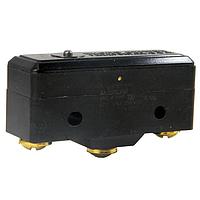
Basic Switches
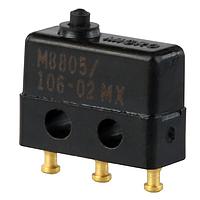
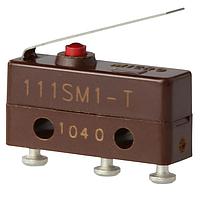
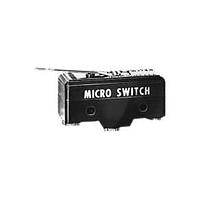
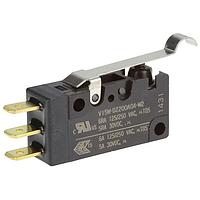
In compact control assemblies, interlock mechanisms, and machine end-position detection, the switching element often has to respond quickly, repeat reliably, and fit into limited space. That is where Basic Switches are commonly used. These switches are widely selected for equipment that needs a precise mechanical contact change triggered by a plunger, lever, or roller actuator.
Within industrial and B2B design environments, basic switches are valued for their simple operating principle, broad mounting compatibility, and ability to serve as a dependable interface between motion and electrical control. They are often found in OEM equipment, control panels, appliances, access mechanisms, and many forms of automation hardware where compact electromechanical switching is required.
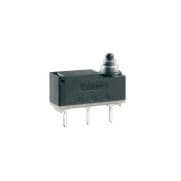
Where basic switches fit in industrial systems
A basic switch is typically used when a physical movement must be converted into a contact signal. This may include detecting the open or closed position of a door, confirming mechanical travel, sensing the presence of a part, or triggering a stop or control event in a machine sequence. Because of this role, these devices are frequently part of larger control, monitoring, and safety-oriented architectures.
Compared with larger switching hardware, this category focuses on compact, mechanically actuated devices suited to local sensing and control tasks. In applications where the switching function is tied to protective access or machine guarding, users may also review related safety switch options. For electronically controlled switching without mechanical contacts, some systems instead use solid state switch technologies.
Common configurations and operating styles
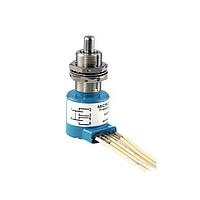
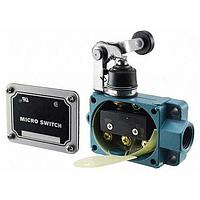
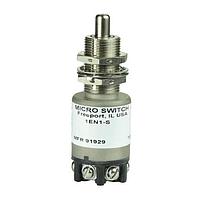
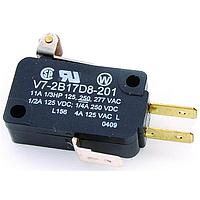
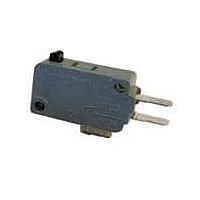
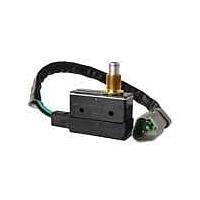
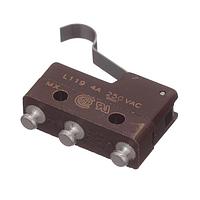
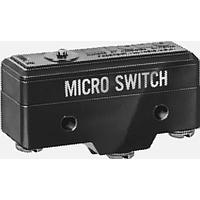
One of the reasons this category remains important is its variety of actuator and contact arrangements. Depending on the installation, engineers may choose pin plunger, lever, or roller-style actuation to match the direction of movement and available travel. Contact forms such as SPDT are also widely used because they support flexible control logic with normally open and normally closed behavior in a single component.
Mounting style, terminal type, operating force, and travel characteristics also matter. In practical design work, factors such as pre-travel, overtravel, and release force influence how repeatably the switch responds in dynamic equipment. A well-matched switch can improve sensing consistency, reduce mechanical stress on the actuator, and help maintain long-term reliability in repetitive motion applications.
Selection factors that matter in real projects
Choosing the right basic switch usually starts with the mechanical side rather than the electrical rating alone. Engineers typically review how the actuator will be engaged, how much travel is available, whether the switch will experience vibration or shock, and whether the mounting position allows easy alignment. The physical interface often determines whether a plunger model or a lever/roller variant will perform more consistently.
Electrical requirements remain equally important. Rated current, voltage, circuit form, and load type should be checked carefully, especially when switching inductive or frequently cycled loads. Environmental conditions such as ambient temperature and enclosure design can also affect the selection. If the application also requires accessories for mounting, protection, or integration, it can be helpful to review other switch accessories alongside the switch itself.
Examples from Honeywell and MICRO SWITCH families
This category includes well-known industrial switching solutions from Honeywell, with several representative snap action models that illustrate the range of available formats. Examples include the Honeywell BM-2RW8424-A2 Snap Action Switch, Honeywell 10HM2 Snap Action Switch, and Honeywell V7-2B29E9 Snap Action Switch. These products reflect common use cases where compact size and fast contact transition are required.
Other examples such as the Honeywell 11SM38 Snap Action Switch and Honeywell 111SM23-H4 Snap Action Switch show how actuator form and connection style can vary depending on the intended installation. For applications needing heavier-duty switching characteristics, models like the Honeywell BZ-2RW80198T Snap Action Switch or Honeywell BZ-RQX167 may be relevant reference points. Rather than selecting by series name alone, it is better to match the switch to the actual actuation method, duty cycle, and control load in the equipment.
Why snap action performance is often preferred
Many basic switches in industrial use rely on a snap action mechanism. This design allows the contacts to transfer quickly once the actuation threshold is reached, helping create a cleaner and more repeatable switching event. In many control applications, that fast transition supports better signal consistency and can help reduce uncertainty caused by slow mechanical movement.
Snap action designs are especially useful where the input movement may be gradual, but the electrical output needs a distinct change of state. This is one reason they appear so frequently in position sensing, limit detection, appliance mechanisms, and compact electromechanical controls. When integrated correctly, they provide a practical balance of responsiveness, size, and installation flexibility.
Application areas across OEM and maintenance environments
Basic switches are used across a wide range of sectors, from factory automation and packaging machinery to building equipment and commercial devices. In OEM manufacturing, they are often designed into assemblies for state detection, interlocking, and motion confirmation. In maintenance and replacement work, they are also commonly sourced to restore function in existing machines where the original switching geometry and electrical behavior must be preserved.
Because application conditions vary widely, buyers often compare not only ratings but also switch feel, actuator geometry, panel or chassis fit, and wiring convenience. In broader switch system planning, some projects may also involve isolation hardware such as disconnect switches, especially when maintenance access and power separation are part of the overall design.
How to evaluate a category page like this
When browsing basic switches, it helps to narrow options by three practical questions: what motion will actuate the switch, what electrical load will it handle, and what installation constraints are fixed by the equipment. Once those points are clear, product filtering becomes much more efficient and reduces the risk of selecting a switch that fits electrically but not mechanically.
For engineers, buyers, and maintenance teams, this category is most useful when viewed as a set of application-specific switching building blocks rather than interchangeable parts. Reviewing actuator style, contact arrangement, mounting format, and operating conditions together will usually lead to a better match for both new designs and replacement requirements.
Basic switches remain a core component in many industrial and commercial systems because they provide a straightforward way to turn motion into a reliable electrical signal. Whether the need is compact snap action switching, repeatable position detection, or a replacement part for existing equipment, careful comparison of operating characteristics and installation details will help identify the right option for the job.
Get exclusive volume discounts, bulk pricing updates, and new product alerts delivered directly to your inbox.
By subscribing, you agree to our Terms of Service and Privacy Policy.
Direct access to our certified experts