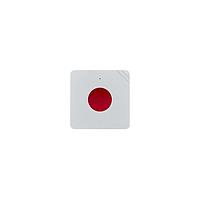
Emergency Stop Switches
In machinery, control panels, and operator stations, stopping motion quickly and clearly is a basic part of risk reduction. That is why Emergency Stop Switches remain a core component in industrial control systems, giving operators a direct and recognizable way to trigger an emergency stop when abnormal conditions occur.
For buyers, integrators, and maintenance teams, this category is less about cosmetic variation and more about choosing the right actuator style, mounting approach, reset method, and compatibility with the surrounding control architecture. A well-selected emergency stop device supports safer operation, easier maintenance, and more consistent panel design across equipment lines.
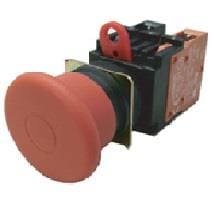
Where emergency stop switches are used
Emergency stop devices are commonly installed on manufacturing equipment, packaging lines, conveyors, test benches, process skids, and operator control stations. Their purpose is straightforward: provide a prominent manual control that can be actuated immediately when a hazardous or abnormal condition requires rapid intervention.
In many applications, the emergency stop is part of a broader safety circuit that may also include interlocks, relays, and monitored control elements. If your system requires a wider machine-safety approach, it can also be helpful to review related safety switches used in guard doors, enclosures, and equipment access points.
What to consider when selecting an emergency stop device
The most practical starting point is the operating environment. Panel-mounted emergency stop switches for indoor industrial controls may differ from devices intended for exposed equipment, frequent washdown, or demanding operator use. Reset style also matters, since different machines and operating procedures may call for distinct approaches to restoring normal operation after an emergency stop event.
Buyers should also consider how the switch fits into the rest of the electrical design. This includes contact arrangement, panel cutout compatibility, visibility on the machine, and how the switch works alongside disconnect and isolation hardware. In some systems, pairing the e-stop strategy with appropriate disconnect switches helps create a clearer separation between emergency stopping and power isolation functions.
Examples from leading manufacturers in this category
This category includes products from established industrial brands such as Littelfuse, Banner Engineering, MEAN WELL, and Fuji Electric. These manufacturers are frequently specified in industrial automation and control applications where consistent operation and integration with standard panel components are important.
Representative products in this range include the Littelfuse 2484-51 Emergency Stop Switch, Littelfuse 75903 Emergency Stop Switch, Banner Engineering SSA-EB1PLYR-0DECQ8 Emergency Stop Switch, MEAN WELL CP2E-BVE01R Emergency Stop Switch, and Fuji Electric AR22V2R-04R Emergency Stop Switch. Rather than choosing only by brand, it is usually more effective to match the product to the installation method, operator interaction, and control logic of the target machine.
Panel design, visibility, and operator access
An emergency stop should be easy to identify and reach under stress. For that reason, engineers often consider placement just as carefully as electrical compatibility. The device should be installed where operators can access it quickly without hesitation, and where its status is obvious during troubleshooting or restart procedures.
On larger systems, more than one emergency stop switch may be needed to cover multiple access points or work zones. Integrators should think about normal operator movement, maintenance access, and the possibility of line-of-sight obstructions when deciding how many devices are required and where each one should be mounted.
Accessories and supporting components
Some applications need more than the push-to-stop device itself. Accessories can support identification, lockout support, replacement during maintenance, or improved usability within a complete control panel. A product such as the Littelfuse 24505-03 KIT LOCK_OUT MAST_DISC YELLOW illustrates how supporting parts can play a role in the wider emergency stop arrangement rather than functioning as the primary switch itself.
When reviewing accessory needs, it may also be useful to check other switch accessories for related mounting, labeling, and interface components. This can be especially relevant when standardizing panel builds across multiple machine variants or maintaining older equipment.
Choosing for maintenance and lifecycle support
For MRO and replacement purchasing, a good selection process starts with the installed part, but should also account for the broader service context. Maintenance teams often look for continuity in mounting style, actuator feel, and compatibility with existing panel hardware so replacement work can be completed with minimal redesign.
That is one reason category-level browsing remains useful even when a known model is already in service. Comparing options such as the Littelfuse 75912 Emergency Stop Switch, Littelfuse 75904-03 Emergency Stop Switch, MEAN WELL CP2E-LVE01Q4R Emergency Stop Switch, or Littelfuse 08099000 Emergency Stop Switch can help identify suitable paths for ongoing maintenance, spare parts planning, or panel standardization.
How this category fits into a broader switch portfolio
Emergency stop switches occupy a specific role within industrial switching: they are intended for urgent operator-initiated stopping, not general-purpose switching or routine process control. Understanding that distinction helps avoid specification errors and supports a more coherent control system design.
In facilities that use multiple switching technologies, emergency stop devices often sit alongside other specialized components, from safety-focused controls to application-specific switching methods. For systems that also rely on electronic switching behavior in control circuits, related categories such as solid state switch - SSC products may be relevant elsewhere in the design, even though their function is different from manual emergency stopping.
Find the right emergency stop switch for your application
The right choice depends on how the machine is used, how the operator interacts with it, and how the stop function is implemented within the control system. Looking at mounting, accessibility, reset behavior, and serviceability together usually leads to better results than comparing part numbers in isolation.
Whether you are specifying a new control panel, replacing an installed unit, or aligning parts across multiple machines, this category provides a focused range of industrial emergency stop solutions from recognized suppliers. Reviewing the available options carefully can help you select a device that fits both the technical design and the practical realities of operation and maintenance.
Get exclusive volume discounts, bulk pricing updates, and new product alerts delivered directly to your inbox.
By subscribing, you agree to our Terms of Service and Privacy Policy.
Direct access to our certified experts