Base station analyzer
Field teams working on cellular infrastructure rarely carry a single-purpose instrument anymore. They need a platform that can help diagnose feeder issues, verify antenna performance, check RF power, and investigate interference without slowing down maintenance or deployment work. That is where a Base station analyzer becomes especially valuable in telecom measurement workflows.
On this page, you can explore handheld and multifunction instruments used for installation, commissioning, troubleshooting, and preventive maintenance of wireless networks. These tools are commonly selected when engineers need a practical combination of RF measurement, cable and antenna verification, spectrum analysis, and field-ready operation in one device.
Why base station analyzers matter in telecom field work
Modern base station environments involve more than checking whether a transmitter is active. Performance problems can originate from connectors, feeders, antennas, passive components, interference sources, or coverage imbalance. A base station analyzer helps technicians isolate these issues faster by bringing several test functions together in a single portable instrument.
For network deployment and maintenance teams, this means fewer separate tools in the field and a more consistent test process. Functions such as return loss, cable loss, VSWR, distance-to-fault, spectrum analysis, and power measurement support the most common service scenarios around macro sites, distributed antenna systems, and other RF installations.
Typical measurement tasks covered by this category
In practical use, these analyzers are often chosen for cable and antenna line testing before site activation, as well as for fault isolation after performance degradation is reported. Engineers may use them to confirm feeder integrity, detect mismatch conditions, identify reflection-related problems, and verify whether the RF path is operating within expected limits.
Many users also rely on this type of instrument for interference hunting and basic coverage-oriented checks in the field. If your work is more focused on feeder verification, you may also want to review dedicated cable and antenna analyzers. For teams dealing with broader RF signal inspection, a separate signal analyzer category can provide additional options.
Key capabilities to look for when selecting a base station analyzer
The right instrument usually depends on the mix of measurements required on site. A practical starting point is frequency coverage, since this affects which wireless bands and infrastructure components can be tested. In this category, examples include instruments covering ranges up to 4 GHz, 6 GHz, and in some functions beyond that for specific measurement modes.
Another important factor is the depth of multifunction support. Many buyers prefer a platform that combines cable and antenna analysis, spectrum analysis, interference mapping, power measurement, and wireless signal analysis in one unit. Usability also matters in the field, so features such as touchscreen operation, USB connectivity, GPS-assisted workflows, and compact handheld design can make daily testing more efficient.
Where transmission path quality is a primary concern, users often compare capabilities related to return loss, phase, 2-port transmission measurement, and distance-to-fault. If your application is centered specifically on standing wave performance, a focused VSWR analyzer page may help narrow the search.
Representative products in this range
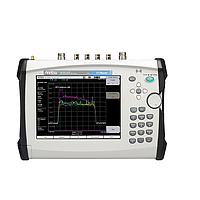
Several models in this category illustrate how multifunction field analyzers are positioned for telecom service work. The Anritsu MT8213E BST is designed as a broad field platform with functions including cable and antenna analysis from 2 MHz to 6 GHz, spectrum analysis from 9 kHz to 6 GHz, interference analysis with mapping and GPS, and support for multiple wireless standards such as LTE and LTE-A.
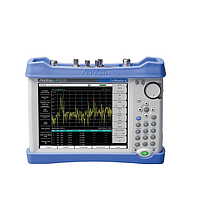
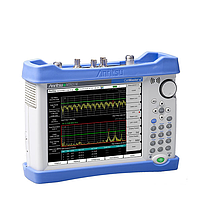
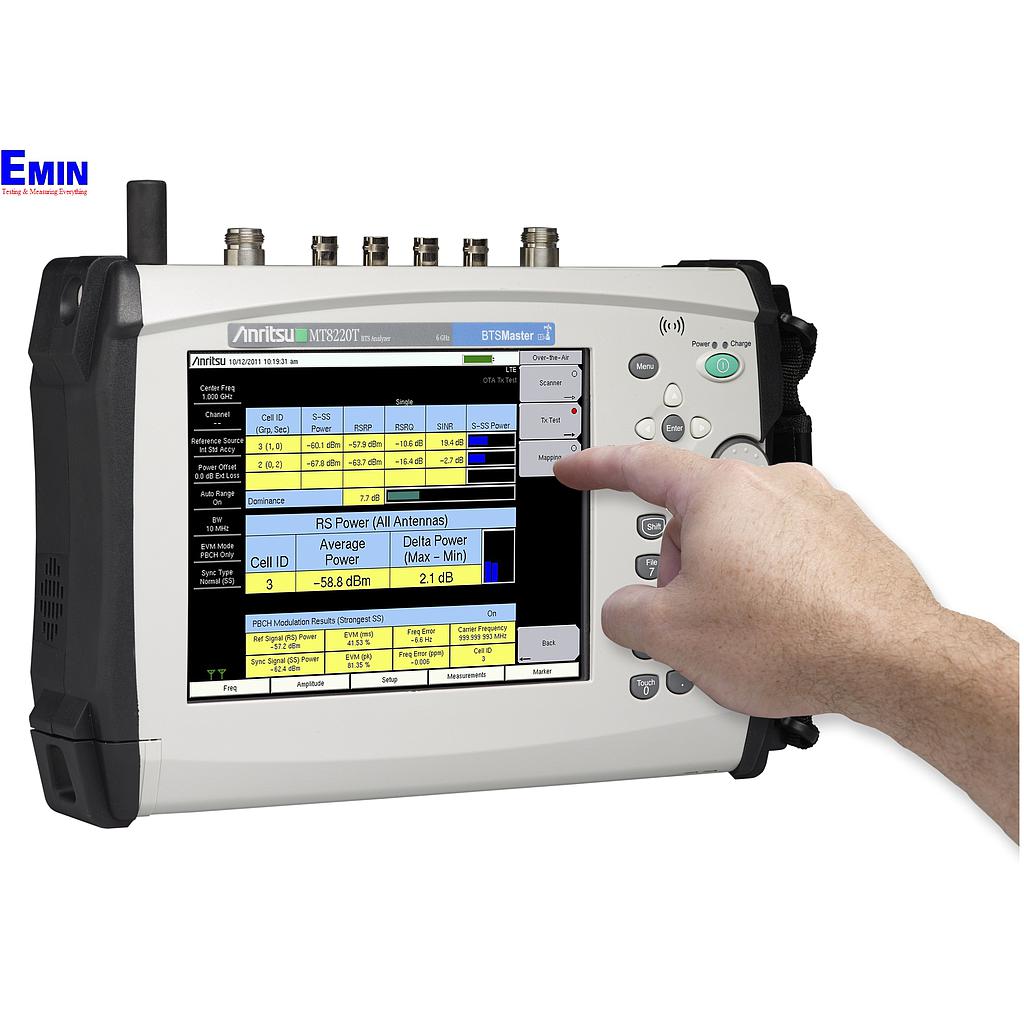
The Anritsu MT8212E BST addresses similar workflows in a configuration suited to applications up to 4 GHz, making it relevant where frequency requirements are more limited but multifunction field testing is still essential. For users who need a wider combination of capabilities, the Anritsu MT8220T BST adds a 2-port cable and antenna analyzer, spectrum analysis up to 7.1 GHz, power meter functions, vector signal generator capability, and support for several signal analysis modes.
ANRITSU solutions for base station and RF site maintenance
Within this category, ANRITSU is the featured manufacturer and a familiar name in portable telecom test equipment. Its Cell Master and BST product families are widely associated with field-oriented RF troubleshooting, combining installation test, maintenance verification, and interference-related measurement in compact handheld formats.
For B2B buyers, this matters because analyzer selection is often tied to workflow standardization. Using instruments from the same manufacturer can simplify operator training, accessory compatibility, and consistency across maintenance teams. It can also help when test procedures need to span feeder checks, spectrum observation, and signal verification using one common platform.
How to choose the right model for your application
Selection should begin with the actual tasks your technicians perform most often. If the main requirement is line sweeping, mismatch detection, and feeder troubleshooting, a model with strong cable and antenna functions may be the best fit. If teams regularly investigate external interference, verify occupied spectrum, or document field conditions, broader spectrum and mapping capabilities become more important.
It is also useful to think in terms of deployment environment. Indoor support work, rooftop maintenance, outdoor macro cells, and coverage-related investigations do not always demand the same feature set. Some organizations also prefer multifunction platforms that reduce the need to carry a separate signal generator, while others keep test functions distributed across specialized instruments.
Finally, compare not only headline frequency range but also workflow-related features such as portability, touchscreen interface, GPS support, and whether the analyzer aligns with the wireless technologies present in your network. A well-matched instrument can improve troubleshooting speed and reduce repeated site visits.
Common use cases in installation, maintenance, and troubleshooting
During installation, a base station analyzer is often used to validate cable and antenna condition before a system is put into service. This helps identify faults such as damaged feeders, poor terminations, or mismatch issues that can affect system efficiency from day one.
During routine maintenance, the same instrument can support baseline comparison and rapid fault localization. When network quality drops unexpectedly, technicians may use spectrum and interference functions to distinguish passive path problems from environmental RF issues. That combination is one reason these analyzers remain a practical choice for mobile network operators, contractors, and infrastructure service teams.
Choosing with confidence
A suitable base station analyzer should match real field tasks rather than only broad specification coverage. The best choice is usually the one that supports your most frequent measurements, fits your operational environment, and reduces the number of separate instruments needed on site.
This category brings together telecom measurement tools intended for efficient RF site verification and troubleshooting, with representative handheld solutions from ANRITSU. If you are comparing options for feeder testing, interference analysis, or multi-standard wireless field measurement, reviewing the available models here is a practical next step.
Get exclusive volume discounts, bulk pricing updates, and new product alerts delivered directly to your inbox.
By subscribing, you agree to our Terms of Service and Privacy Policy.
Direct access to our certified experts