Antenna
Reliable wireless performance depends on more than the radio module alone. In industrial communication, IoT deployment, embedded design, and RF integration, the antenna often determines how effectively a system can transmit, receive, and maintain stable links across real operating conditions.
This Antenna category brings together components used in telecommunication and electronic systems where signal quality, mounting constraints, connector compatibility, and operating environment all matter. Whether the priority is compact integration, external mounting, cellular connectivity, or RF accessory selection, the range here supports practical sourcing for engineering and purchasing teams.
Where antenna components fit in modern telecom systems
Antennas are the interface between electronic equipment and the wireless environment. They are used in gateways, routers, telemetry devices, vehicle communication systems, industrial sensors, embedded boards, and RF test setups where signal transmission must be matched to the intended band and installation method.
In many projects, antenna selection is linked closely to the surrounding RF path. Connector transitions may require suitable RF adapters, while broader signal distribution networks can also involve components such as a power divider. Choosing the antenna in context helps avoid mismatch, installation issues, and unnecessary signal loss.
Typical antenna types and use cases in this category
The products listed in this category reflect a mix of practical antenna formats for embedded and external wireless applications. Some are compact general-purpose solutions for development and integration, while others are intended for more rugged or application-specific environments such as mobile assets, industrial enclosures, or fixed communication nodes.
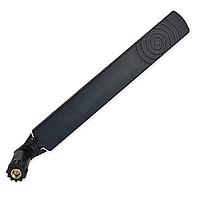
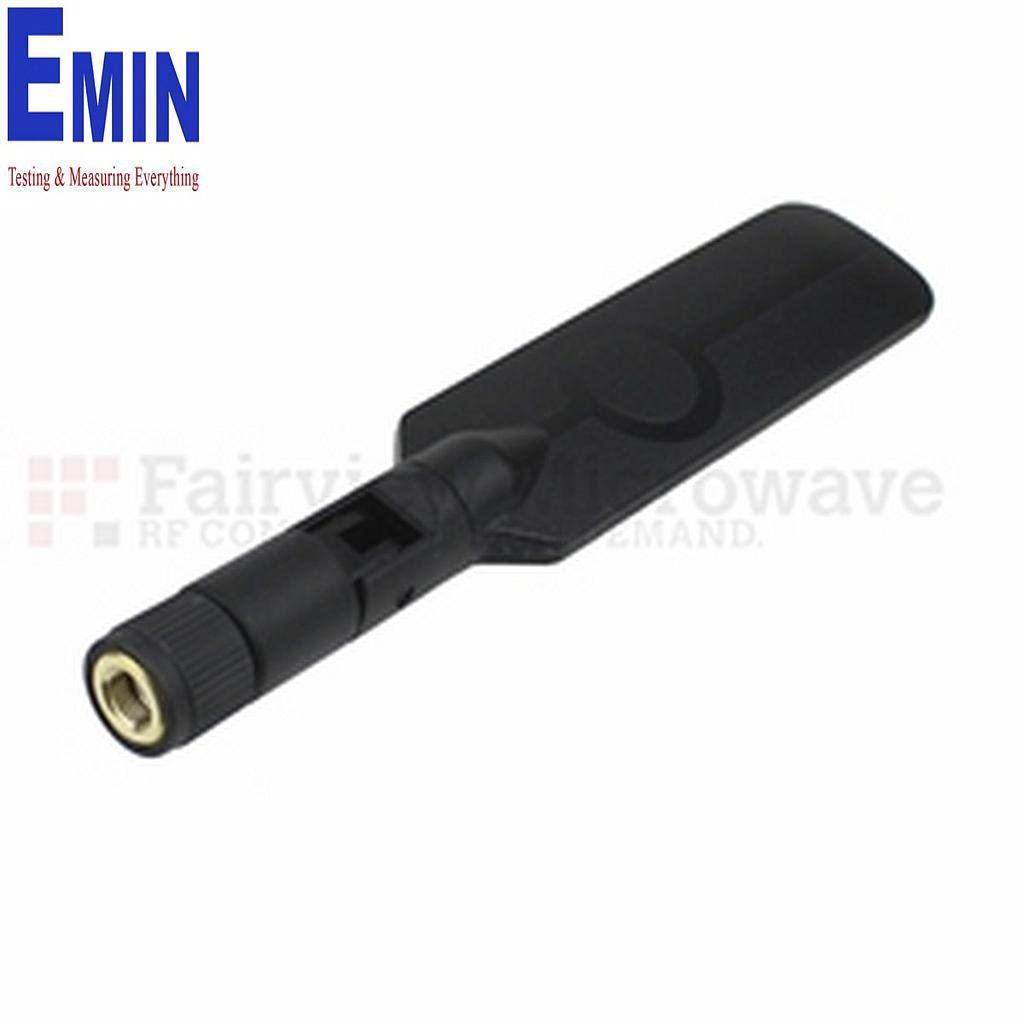
For example, the Amphenol GAN30070EU dipole antenna with SMA is relevant where a swivel-type external antenna helps optimize orientation during installation. HARTING RF antenna models such as 20932010303 and 20932010103 are useful examples of RF antenna components used in communication assemblies where mechanical compatibility and reliable interface design are important.
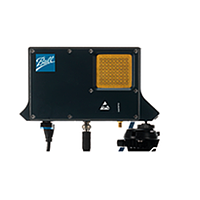
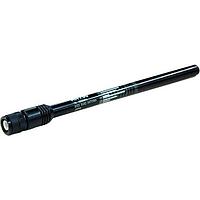
Other items illustrate broader deployment scenarios. The Belden 942998005 coach roof antenna points to transportation or vehicle-mounted use, while the Banner Engineering BWA-9O2-RA2 shows the role of band-specific accessory antennas in industrial wireless systems. Development-oriented options from Adafruit and connectivity-focused solutions from Advantech also help cover prototyping, embedded integration, and compact wireless hardware builds.
Key selection factors before ordering
The right antenna is usually chosen by system requirement rather than by form factor alone. Engineers typically start with operating frequency or supported bands, then verify connector type, impedance, mounting style, cable needs, and intended installation environment. These points affect both RF performance and practical integration.
Connector compatibility is one of the first checks. Products in this category reference interfaces such as SMA, RP-SMA, and FAKRA, each suited to different equipment families and installation standards. If the mating connection is not direct, the overall assembly may also need proper transitions through related RF accessories rather than improvised cabling.
Mounting and orientation also influence real-world performance. A screw-mount roof antenna, a fixed right-angle antenna, and a swivel dipole serve different enclosure layouts and coverage goals. In tight cabinets or mobile systems, mechanical placement can matter as much as nominal RF characteristics.
Environmental and application considerations
Industrial and field-deployed antennas are often selected for the environment as much as for the radio standard. Outdoor equipment, vehicles, machinery, and remote assets may require attention to ingress protection, temperature range, vibration exposure, and cable routing. These factors become especially important when antenna replacement is difficult after installation.
The Belden coach roof antenna is a good example of an application where multiple operating bands, fixed mounting, and durable construction can be relevant to transport communication systems. Likewise, a product such as the Banner Engineering 900 MHz right-angle antenna highlights how frequency-specific designs support industrial wireless links in sensors, monitoring networks, or machine-area communication.
Where signal chains include switching or routing between paths, it may also be useful to review related components such as telecommunication switches. Looking at the antenna as part of the complete RF architecture helps reduce redesign later in the project.
Representative manufacturers in this range
This category includes products from established suppliers used across electronic design, industrial communication, and RF connectivity. Brands such as Amphenol, HARTING, Advantech, Adafruit, Belden, Banner Engineering, and 3M illustrate the mix of manufacturers serving both integration-focused and application-specific requirements.
Amphenol is relevant where connector ecosystem compatibility and RF component familiarity are important. HARTING is often associated with industrial connectivity environments, while Advantech products fit naturally into embedded and automation-oriented communication projects. Adafruit examples are especially useful in development, prototyping, and compact electronics builds where straightforward antenna options are needed.
The value of a broad antenna category is not just brand variety, but the ability to compare mounting approaches, connector styles, and deployment contexts without leaving the telecommunication component ecosystem. That makes sourcing more efficient for both design validation and ongoing procurement.
How to evaluate antennas for integration projects
For OEM design, panel integration, or retrofit work, antenna evaluation usually involves a balance of RF fit and installation practicality. A compact antenna may suit enclosure constraints, but a remotely mounted option with better placement can improve link reliability. Similarly, the nominal band support must align with the actual modem, router, gateway, or sensor platform in use.
It is also helpful to review surrounding passive components in the RF chain. Depending on the architecture, related items such as a balun or isolation component may be relevant elsewhere in the system, even if the antenna itself is the immediate purchase. This broader view supports cleaner signal handling and fewer compatibility issues during installation.
When comparing products, buyers should focus on the specifications that affect the actual deployment: supported frequency range, connector family, cable arrangement, mechanical style, and environmental suitability. That approach is usually more effective than selecting only by appearance or general product naming.
Choosing the right antenna category for long-term sourcing
Antenna selection is often a small line item with a large effect on system behavior. In wireless communication projects, the right component can support better link stability, simpler integration, and more predictable field performance across industrial, embedded, and transport-related applications.
This category is designed to help buyers and engineers compare RF antenna components from recognized manufacturers while keeping attention on practical selection criteria. If your project depends on connector fit, mounting constraints, or application-specific wireless coverage, reviewing the available antenna options here is a solid starting point for a more reliable telecom build.
Get exclusive volume discounts, bulk pricing updates, and new product alerts delivered directly to your inbox.
By subscribing, you agree to our Terms of Service and Privacy Policy.
Direct access to our certified experts