
Long connector
Reliable signal transmission often depends on small interface components that are easy to overlook until they become the limiting point in a system. In RF, telecom, and electronic measurement setups, choosing the right Long connector format helps maintain mechanical fit, electrical continuity, and stable performance across cables, modules, and test assemblies.
This category brings together connector and connection-interface options used in telecommunication components, including compact board-level styles, RF interfaces, and cable termination solutions. Whether the requirement is for dense device integration, a coaxial connection path, or a dedicated cable assembly between two connector standards, the right selection supports cleaner installation and fewer compatibility issues during deployment or maintenance.
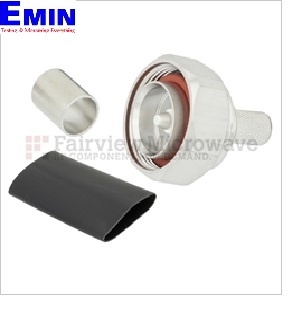
Where long connectors fit in telecom and measurement systems
Connectors in this category are typically used wherever signals need to pass between cables, instruments, modules, probes, or compact communication hardware. In practical terms, they matter in lab measurement environments, telecom infrastructure, embedded wireless devices, and service applications where connector geometry and mating style must match the surrounding hardware.
Some applications require a direct connector body, while others call for a transition between two interface types. In those cases, users may also compare these parts with dedicated adapter solutions depending on whether the goal is permanent connection, compact integration, or quick interconnection between unlike standards.
Common connector styles found in this category
The product mix shown here reflects several common telecom and RF connection needs. Compact interfaces from Hirose, such as the Hirose HRMP-U.FLJ(40) Connector and the Hirose X.FLP-ML51.J-PA(F)-ST Adapter, are relevant when board space is limited and precise mating is required inside small communication devices or embedded assemblies.
For more rugged coaxial applications, N-type interfaces remain a familiar choice. Examples in this category include Fairviewmicrowave connector options such as the SC9194, SC9120, FMCN1363, and SC9240, covering both N male and N female formats in frequency ranges up to 18 GHz. This makes them suitable for users working with RF distribution paths, test setups, and telecom hardware that relies on established coaxial connector standards.
Selection points that matter before ordering
The first checkpoint is connector compatibility. Mating type, gender, cable side, and equipment interface must all be aligned to avoid assembly problems. A part that is electrically suitable can still be impractical if its body dimensions, mounting style, or access space do not fit the intended installation.
The second key factor is frequency range and signal behavior. For RF connectors, the specified operating band and values such as VSWR help indicate whether the connector is appropriate for the signal path. For example, Fairviewmicrowave N-type models listed here span DC to 11 GHz, 12 GHz, or 18 GHz, so the application should be checked against the expected operating frequency rather than choosing solely by connector family.
Mechanical constraints also matter. Overall length, width, and connector orientation can affect panel clearance, cable routing, and serviceability. This becomes especially important in dense telecom enclosures or portable test systems where even small dimensional differences influence how easily a cable can be installed or replaced.
Examples of products in this range
Some items in this category function as direct connectors, while others support signal continuity through a cable assembly. A useful example is the Dakota N-106-0020 Connection Cable LEMO 00 – Microdot, which provides a defined connection path between two interface types for single probe use in the DFX-8 Series context. Products like this are less about standalone connector hardware and more about enabling a working link between compatible devices.
On the compact interconnect side, Hirose models are typically relevant where low-profile or miniature connection points are needed. By contrast, Fairviewmicrowave N-type parts are better aligned with more traditional RF cabling environments, where durability, repeatable mating, and known coaxial standards are part of the selection logic.
How to choose between compact, cable-based, and RF connector options
If the connection point is inside a compact electronic assembly, miniature interfaces are usually the starting point. In this case, a small-format Hirose connector or matching adapter may suit board-to-cable or module-level integration where physical footprint is a major concern.
If the requirement is to bridge two existing connector formats without redesigning the surrounding hardware, a dedicated connection cable can be the practical route. If the application sits in a broader RF signal chain with related components such as isolators or power dividers, then connector choice should be reviewed as part of the whole path rather than as an isolated component.
For panel, cable, or test-bench RF links, N-type connector options remain relevant because they balance familiar mechanical design with frequency capability suitable for many telecom and measurement tasks. In these cases, users typically compare male versus female versions, available frequency coverage, and body dimensions to match both electrical and installation requirements.
Why connector details affect system reliability
A connector is not just a mechanical endpoint. It can influence insertion quality, impedance continuity, and long-term stability under repeated mating cycles. In telecom and measurement work, even a simple mismatch in interface type or an unsuitable connector body can lead to troubleshooting delays, unwanted reflections, or avoidable rework.
That is why application fit matters as much as part naming. Looking at connector family, mating side, cable role, and signal conditions together gives a more dependable basis for selection. This is especially useful when comparing compact Hirose interfaces, cable-linked Dakota assemblies, and RF-focused Fairviewmicrowave options within one procurement workflow.
Finding the right long connector for your setup
This category is most useful when approached from the system level: what needs to connect, in what space, at what signal range, and with which mating standard. Reviewing those points first makes it easier to narrow down whether the best fit is a miniature connector, an RF coaxial interface, or a dedicated connection cable between unlike terminations.
For buyers, engineers, and maintenance teams working in telecom and electronic measurement environments, a well-matched long connector helps reduce compatibility issues and supports more predictable installation. Browse the available range by interface type, manufacturer, and application context to identify the part that best fits your equipment and signal path.
Get exclusive volume discounts, bulk pricing updates, and new product alerts delivered directly to your inbox.
By subscribing, you agree to our Terms of Service and Privacy Policy.
Direct access to our certified experts