High-voltage/Step-up transformer
When insulation systems, cables, switchgear, or other power equipment need to be tested above normal operating voltage, the quality of the test source becomes critical. A stable high-voltage output helps technicians evaluate insulation condition, perform routine acceptance checks, and support diagnostic work without introducing unnecessary uncertainty into the test setup.
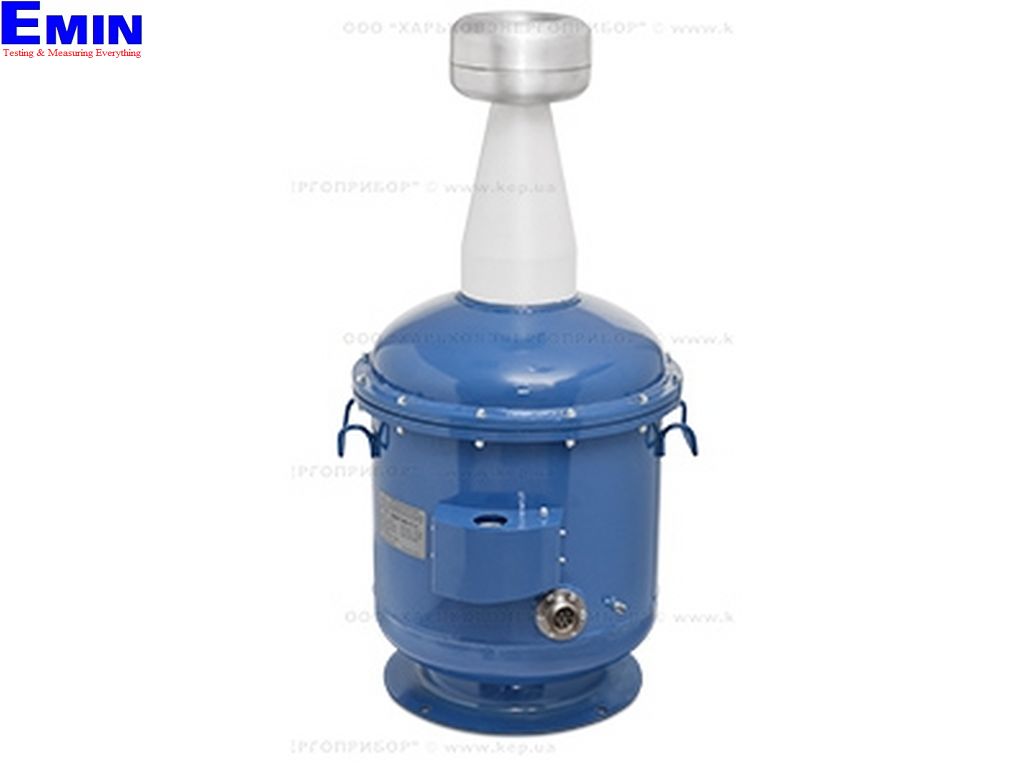
High-voltage/Step-up transformers are widely used in electrical testing environments to generate elevated AC voltage for laboratory, workshop, and field applications. In this category, buyers can explore equipment suited to dielectric testing, withstand testing, and broader high-voltage test arrangements where controlled output, insulation integrity, and safe operation matter most.
Where high-voltage testing transformers fit in electrical test work
A step-up transformer in this context is not simply a power conversion device. It is part of a high-voltage test system used to raise the voltage level to a defined value so that insulation performance can be assessed under controlled conditions. This makes the equipment relevant for manufacturers, utilities, repair facilities, and service teams working with power apparatus.
Typical use cases include insulation verification during production, routine maintenance, commissioning, and fault investigation. These transformers are often selected alongside equipment for withstand voltage testing when a controlled high-voltage source is required as part of a broader test procedure.
Common applications in power and industrial environments
High-voltage test transformers are used across many parts of the electrical industry. They support testing of cables, transformers, insulators, bushings, switchgear, motors, and other components that must demonstrate adequate dielectric strength before being installed or returned to service.
In some workflows, the transformer is part of a more comprehensive diagnostic chain. For example, insulation assessment may be combined with measurements from a capacitance and tan delta instrument to build a clearer picture of insulation condition rather than relying on a single result alone.
Gas type and dry type designs for different test requirements
Not every test environment calls for the same transformer construction. Gas-insulated and dry-type designs each serve different priorities, including partial discharge performance, portability, installation constraints, and operating conditions.
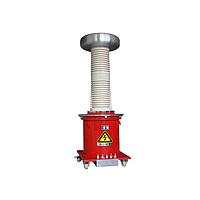
The HV HIPOT YDQW Gas Type HV Testing Transformer for PD Test is a good example of a solution intended for applications where low partial discharge behavior is important. Based on the available range in this category, it supports high output voltage and a broad capacity span, making it relevant for demanding insulation and PD-related test setups.
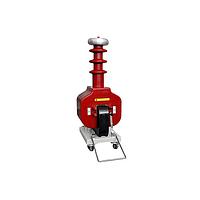
For more general AC high-voltage testing duties, the HV HIPOT GTB Dry Type HV Testing Transformer represents a different approach. Dry-type units are often considered when a straightforward structure, practical handling, and conventional high-voltage AC output are the main priorities in workshop or field test scenarios.
Key selection factors before choosing a model
The first step is to match the required output voltage and capacity to the test object. A transformer that can reach the necessary voltage but lacks sufficient capacity may not perform well under the intended load, while oversizing can increase cost and reduce practicality for routine work.
Buyers should also review the type of test being performed. A setup intended for partial discharge evaluation has different expectations from a basic AC withstand test. In addition, factors such as impedance behavior, ratio accuracy, thermal performance, and site conditions can influence whether a gas type or dry type unit is a better fit.
If the application involves long power cables or field testing where lower-frequency methods are preferred, it may also be worth reviewing a VLF testing solution. That approach serves different use cases from conventional step-up transformer testing, so understanding the testing objective is important before selecting equipment.
Representative products in this category
One notable product is the HV HIPOT YDQW Gas Type HV Testing Transformer for PD Test, offered with rated input voltage options of 200 V and 400 V, output up to 300 kV, and capacity covering a broad range. The published data also indicates low partial discharge values, which is especially relevant for users building test systems focused on insulation quality and PD-sensitive applications.
Another representative option is the HV HIPOT GTB Dry Type HV Testing Transformer, designed for AC output ranges up to 100 kV with capacities suitable for many standard testing tasks. For buyers comparing practical test sources, this type of unit can be a solid reference point when the application is centered on routine AC high-voltage generation rather than specialized PD measurement conditions.
How these transformers are used within a complete test setup
A high-voltage transformer rarely operates in isolation. In real applications, it is usually integrated with control units, protection elements, measuring devices, and safety accessories to form a complete testing arrangement. The final configuration depends on the object under test, the target voltage, the applicable procedure, and the required measurement confidence.
This is why category-level evaluation should focus not only on transformer output but also on compatibility with the rest of the test workflow. For users dealing with gas-insulated equipment or substations, related diagnostic tools such as an SF6 gas analyzer may also be relevant within the wider maintenance and condition-assessment process.
Practical buying considerations for B2B users
For industrial and utility buyers, the most useful comparison often comes down to application fit rather than headline voltage alone. A suitable model should align with the type of asset being tested, the expected duty cycle, available power input, and the level of portability needed on site.
It is also sensible to consider whether the transformer will be used mainly for production testing, maintenance work, or specialized diagnostic tasks. Clarifying those requirements early makes it easier to narrow the category to the most appropriate equipment and avoid selecting a model that is either too limited or unnecessarily complex for the job.
Choosing the right category for your testing workflow
This category is intended for users who need a reliable source of elevated AC voltage for insulation and dielectric testing tasks. Whether the requirement is a gas type transformer for PD-oriented applications or a dry type unit for conventional high-voltage testing, the right choice depends on the test method, voltage range, and operating environment.
By comparing construction type, output range, capacity, and intended application, buyers can identify a more suitable high-voltage test source for their electrical testing process. If your work involves broader insulation diagnostics or complementary test methods, this category can also serve as a starting point for building a more complete and efficient test solution.
Get exclusive volume discounts, bulk pricing updates, and new product alerts delivered directly to your inbox.
By subscribing, you agree to our Terms of Service and Privacy Policy.
Direct access to our certified experts