


Air Particle Counter FLUKE
The Role of Particle Counters in Daily Life
A particle counter plays a vital role in monitoring and improving air quality. It helps in the early detection of fine particulate matter like PM2.5 or PM10, preventing health risks such as asthma or respiratory diseases.
First and foremost, a particle counter ensures a safe manufacturing environment. In pharmaceutical plants, it verifies whether the air meets ISO 14644 standards to avoid product contamination. Furthermore, you can use a particle counter to monitor indoor air at home. For example, during dusty dry seasons, this device provides timely warnings to turn on air purifiers.
Finally, its most significant impact is ensuring legal compliance. Businesses utilize particle counters to report environmental data, avoiding heavy fines from regulatory authorities.
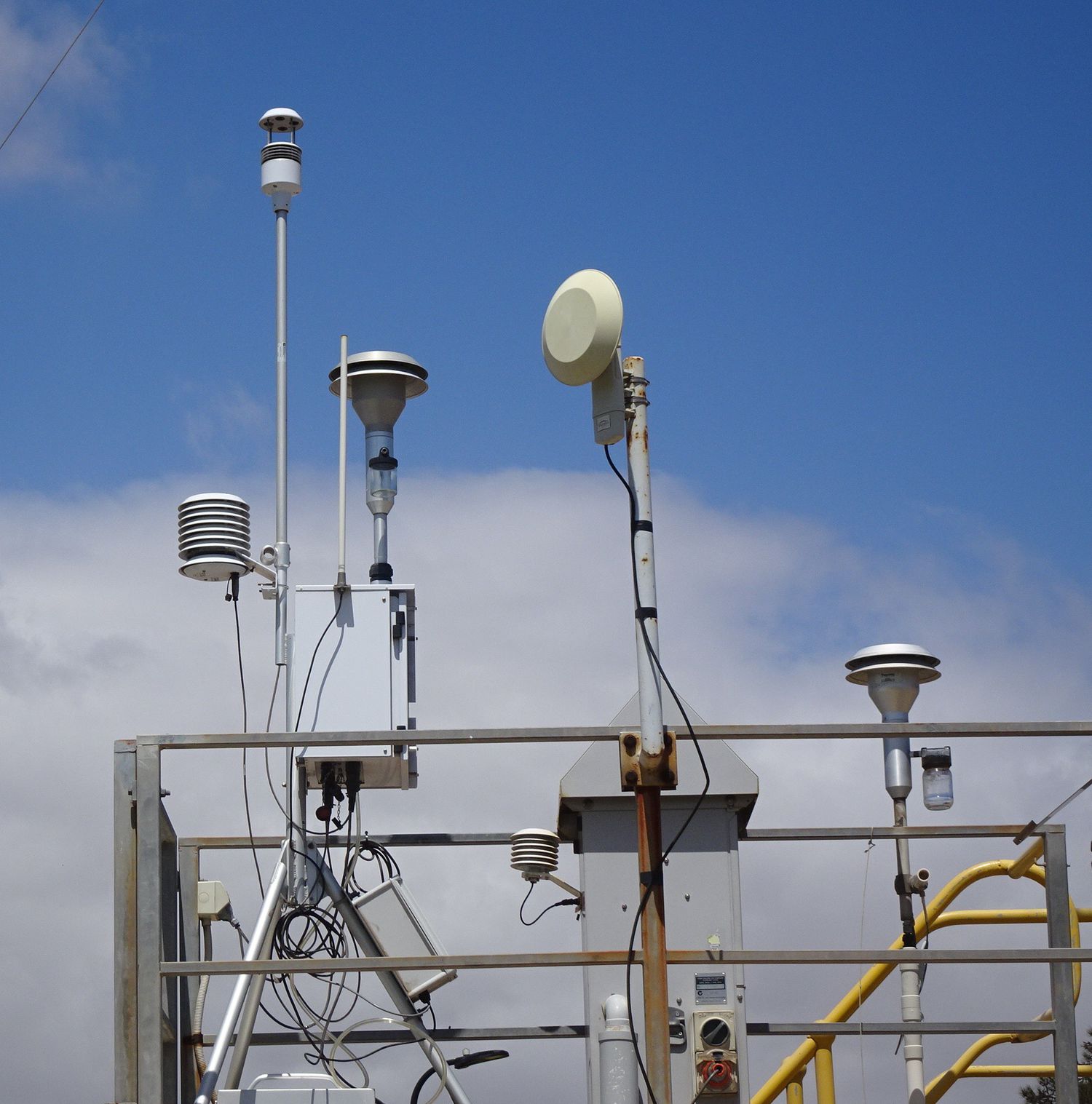
How a Particle Counter Inspects the Air
A particle counter inspects the air using advanced optical technology, primarily based on laser light scattering. Air is drawn through a sensor where dust particles deflect a laser beam; the device then calculates both the size and quantity of the particles.
The process begins with a pump drawing air samples at a standard flow rate, typically 2.83L/min. As the laser strikes a particle, the scattered light signal is analyzed by amplitude to classify particles ranging from 0.3μm to 10μm. Next, the particle counter displays results across various measurement channels. For instance, it reports the number of particles ≥0.5μm per cubic meter, allowing you to compare it against WHO safety thresholds (e.g., below 10g/m3 for PM2.5).
Additionally, many models integrate temperature and humidity sensors. This provides comprehensive data, as high humidity can cause particles to clump, further affecting air quality.

Practical Applications of Particle Counters
The applications of a particle counter are diverse, spanning from industrial sectors to healthcare. You will see how it changes the way we control our daily air environment.
In Cleanrooms and Manufacturing
Semiconductor cleanrooms use particle counters to maintain Class 100 standards. For example, the FLUKE 985 Particle Counter, featuring 6 channels (0.3–10μm), a flow rate of 0.1 CFM, and a memory for 10,000 samples, allows for continuous monitoring without disrupting production.
In pharmaceuticals, particle counters ensure compliance with GMP Annex 1. They detect particles >0.5μm to ensure medications, such as those in injection lines, remain uncontaminated. Furthermore, handheld models offer portability, which is ideal for quick on-site inspections and time-saving.
Monitoring Indoor and Urban Environments
Offices use particle counters to track dust from printers or air conditioning systems. The EXTECH VPC300 Particle Counter measures 6 channels (0.3–10μm) plus temperatures from -25 to 60°C and humidity from 0–100% RH, providing immediate alerts if thresholds are exceeded.
In Healthcare and HVAC
Hospitals use particle counters to control air in operating theaters. The UNI-T UT337B Laser Particle Counter, measuring 0.3–10μm with a flow rate of 2.83L/min and a clear LCD screen, is perfectly suited for effectively testing HEPA filters.
Heavy Industry and Construction
Cement plants use particle counters to measure silica dust. The Trotec PC220 Particle Counter, measuring 0–2000 mg/m³, is designed for harsh environments and warns workers to wear protective masks when necessary.
-
-
-
-
-
-
-
-
-
-
-
-
-
-
-
-
-
-
-
-
-
-
-
-