
Ion in Solution Tubes
Fast, repeatable ion testing is important in many water and liquid analysis workflows, especially when operators need a simple method for screening, routine checks, or field use. In these situations, Ion in Solution Tubes offer a practical format for handling samples and reagents in a controlled way while supporting consistent visual or instrument-assisted evaluation.
For laboratories, environmental monitoring teams, and industrial users, this category is relevant where dissolved ions need to be checked without building a complex bench setup for every test. The tube format can help simplify sample preparation, improve handling, and support organized testing across multiple points in a process or monitoring program.
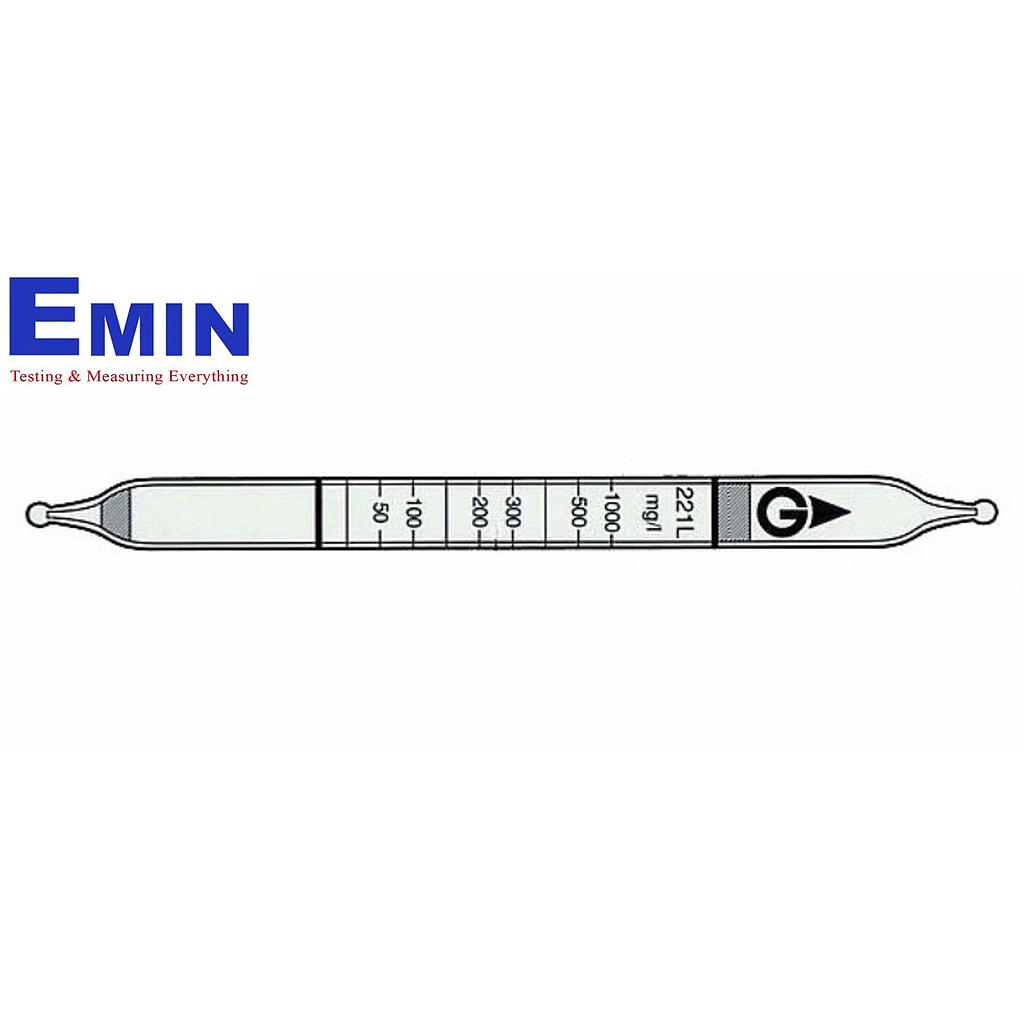
Where ion testing tubes fit in liquid analysis
In water quality and liquid testing, dissolved ions often need to be evaluated as part of routine control, troubleshooting, or comparative analysis. Depending on the workflow, tubes may be used in methods that involve reagent reaction, color development, sample containment, or standardized preparation before measurement.
This makes the category useful for applications such as environmental water checks, utility monitoring, plant operation, educational laboratories, and general chemical handling. When the goal is to maintain a practical testing routine, a tube-based format can reduce handling variation and make test steps easier to follow.
Why the tube format is useful
A well-defined tube format supports sample consistency by helping users work with similar volumes, reaction conditions, and observation steps from one test to the next. That is especially valuable when several operators perform the same procedure or when repeated measurements are needed over time.
Another advantage is convenience. Tubes are often easier to label, store during testing, and organize in batch workflows than improvised containers. In environments where speed matters, this can improve overall testing efficiency without making the process unnecessarily complicated.
Typical use cases for ion measurement workflows
These products are commonly relevant wherever users need to assess ionic content in liquids as part of broader water environment management. Examples include checking process water, comparing influent and effluent conditions, reviewing treatment effectiveness, or supporting maintenance decisions based on changing liquid chemistry.
They may also be useful in training and routine quality checks where a straightforward testing format is preferred. In some setups, tubes are paired with electrodes or related measuring tools for a more complete workflow. If your process requires sensor-based verification, you may also want to review ion measurement electrodes for complementary measurement options.
How to choose the right products in this category
Selection usually starts with the target ion and the test method used in your workflow. Before choosing, it is important to confirm compatibility with the liquid type, the expected concentration range, and whether the procedure is intended for screening, comparative checks, or more controlled analytical work.
You should also consider practical factors such as handling volume, visibility of results, storage conditions, and how the tubes integrate with your current testing routine. In many liquid testing environments, related consumables also matter just as much as the main test item. For broader workflow support, it can be helpful to review other reagents used alongside routine chemical testing.
Differences between tube-based testing and other quick methods
Tube-based ion analysis can sit between very simple screening tools and more instrument-dependent measurement approaches. Compared with quick strip methods, tubes may offer a more structured test procedure and clearer sample handling steps. If your application only requires rapid spot checks, test paper may be useful for certain simplified checks.
Compared with dedicated laboratory instrumentation, tube-based methods are often easier to deploy in the field or in decentralized testing points. However, the best choice depends on the level of accuracy, traceability, and repeatability required by your process. For many users, the right solution is not one single method, but a combination of screening tools and follow-up measurement techniques.
Points to review before ordering
Because ion testing workflows can vary significantly, it is worth checking a few practical details before purchase. Confirm the intended sample matrix, the expected testing frequency, and whether the products are being used for routine operation, maintenance response, or environmental monitoring. These factors influence how much emphasis should be placed on convenience, storage, or repeatability.
It is also sensible to think about operator familiarity and site conditions. A product that performs well in a controlled indoor setting may not be the most efficient option for mobile testing or distributed sampling. Choosing with the full workflow in mind usually leads to better day-to-day usability and fewer interruptions during testing.
Supporting a more organized liquid testing process
In many facilities, ion checks are only one part of a wider water and liquid analysis routine. Tube-based products can support that routine by making sample handling more standardized and by fitting into repeatable testing steps that are easier to train, document, and scale across multiple users or locations.
When used appropriately, this category helps bridge the gap between simple field screening and more formal analytical methods. If you are building or refining a liquid testing workflow, choosing suitable ion testing tubes alongside the right reagents and measurement tools can make the overall process more consistent, practical, and easier to manage.
Get exclusive volume discounts, bulk pricing updates, and new product alerts delivered directly to your inbox.
By subscribing, you agree to our Terms of Service and Privacy Policy.
Direct access to our certified experts