Nitrogen meter
Controlling nitrogen levels is a routine requirement in water treatment, environmental monitoring, and wastewater process management. When total nitrogen data is used for compliance checks, treatment optimization, or rapid field screening, choosing the right Nitrogen meter setup can make a clear difference in response time, workload, and data consistency.
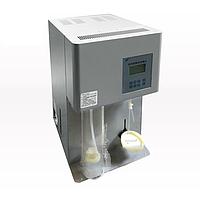
This category brings together instruments and test solutions used to measure total nitrogen in water and wastewater. The range includes online automatic monitors for continuous or periodic measurement, as well as reagent- and kit-based options suited to laboratory work, spot checks, and lower-throughput testing.
Where nitrogen measurement is typically used
Total nitrogen is an important parameter in many water applications because it helps indicate nutrient loading and treatment performance. It is commonly monitored in municipal and industrial wastewater, surface water assessment, discharge control, and process lines where nitrogen removal efficiency needs to be tracked over time.
In practical terms, users may need different testing approaches depending on the site. A fixed installation with signal output and communication capability is often preferred for continuous monitoring, while compact kits and test tubes are useful when the priority is quick verification, manual sampling, or lower-frequency analysis.
Online monitors for continuous and scheduled measurement
For installations that require regular data acquisition, online total nitrogen monitoring is often the most suitable approach. These systems are designed for periodic measurement, scheduled sampling, and integration into broader monitoring or automation environments through outputs such as 4–20 mA and communication interfaces including MODBUS.
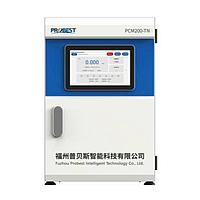
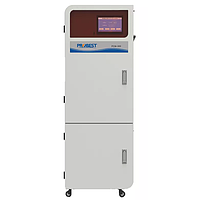
Examples in this category include the Probest PCM300-TN Total Nitrogen Water Quality Online Automatic Monitor and the Probest PCM200-TN. Based on the listed specifications, these models support automatic or manual calibration modes, adjustable sampling periods, and installation in controlled operating environments, making them relevant for treatment plants and fixed water quality stations.
The difference between models is not only about range. It can also relate to project requirements such as communication method, expected concentration level, available installation space, and how the instrument will be incorporated into the plant’s existing control structure.
Manual test kits and reagent-based options
Not every application needs a permanently installed analyzer. In many field and laboratory workflows, colorimetric testing or prepared test tubes remain practical because they are straightforward to deploy and suitable for manual sample handling.
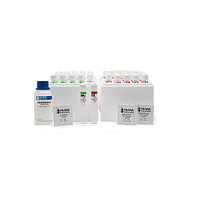
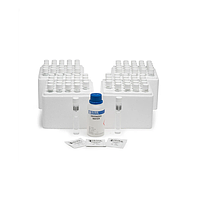
The KRK - NHẬT WIT-TN-i Total Nitrogen Test Kit is one example intended for water and wastewater testing with a colorimetric method. For users already working with consumables and wet chemistry workflows, categories such as other reagents can also be relevant when building a complete testing routine.
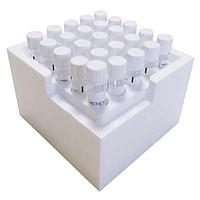
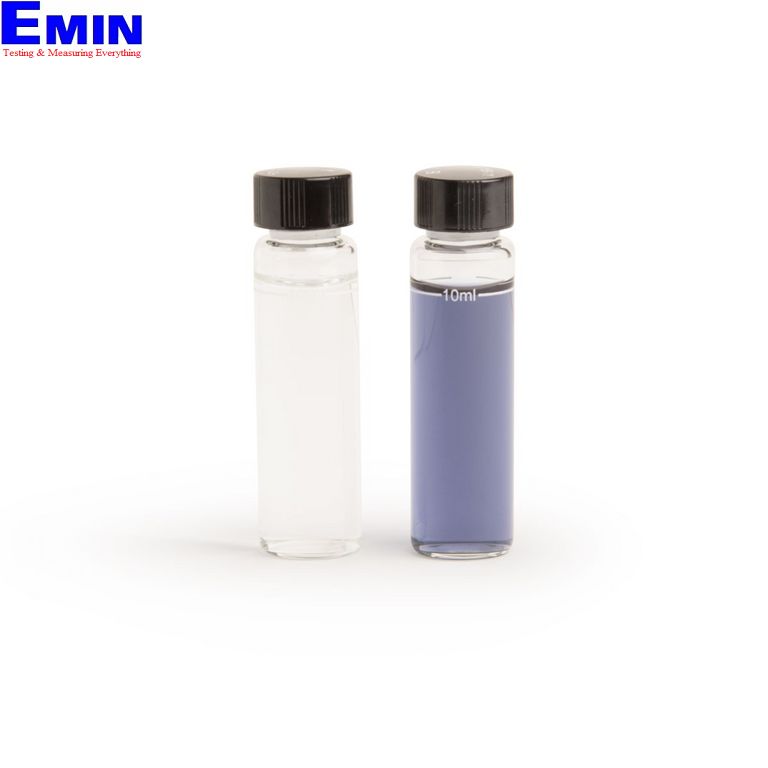
The Aqualabo FTI2420703 test tube option is another format that fits reagent-based analysis. Solutions like this are often chosen when the user values a defined tube format, manageable batch testing, or compatibility with established laboratory procedures.
How to choose the right nitrogen meter for your application
A good selection process starts with the measurement task itself. If the goal is continuous tracking in a treatment process, an online instrument with scheduled sampling, analog output, and digital communication is usually more appropriate than a manual kit. If the need is occasional verification or portable testing, reagent-based methods may be more practical and cost-efficient for the workflow.
It is also important to review the measurement range against expected nitrogen concentration in the sample. A monitor intended for lower-range operation may not be ideal in a process with large concentration swings, while a broader-range unit may be more suitable where wastewater characteristics vary significantly.
Other selection factors include maintenance expectations, calibration preference, display usability, installation conditions, and how results will be logged or transmitted. Where a broader water analysis setup is being developed, related sensing technologies such as ion measurement electrodes may also be considered for complementary parameters.
Understanding online monitoring versus spot testing
The choice between fixed analyzers and manual testing often comes down to decision speed and operating context. Online instruments are useful when trend visibility matters, when alarms or control actions depend on current data, or when operators need automated measurement at defined intervals without repeated manual intervention.
Manual kits and test tubes, by contrast, are often selected for confirmation testing, occasional field work, or facilities where sample frequency does not justify a larger online system. They can also support cross-checking of process data, especially during commissioning, troubleshooting, or periodic validation of routine measurements.
Neither approach is universally better in every situation. The more useful question is whether the site needs continuous process insight, occasional screening, or a combination of both.
Manufacturers and solution styles in this category
This category highlights products from Aqualabo, Probest, and KRK - NHẬT. Each name appears here in a different practical role within total nitrogen testing, from online automatic monitoring to test kits and prepared consumables.
For buyers, that mix is useful because nitrogen measurement is rarely a one-format decision. Some projects require a permanent analyzer at the treatment line, while others need a supporting set of reagents or test consumables for laboratory confirmation and routine sample checks.
What to review before ordering
Before selecting a product, it is helpful to confirm sample type, expected concentration band, required resolution, and whether the measurement will be used for reporting, process control, or general operational reference. These points influence whether an online monitor or a manual testing solution is the better fit.
You should also check site power availability, communication requirements, maintenance access, and calibration workflow. In many B2B environments, these operational details are just as important as the headline specification because they affect long-term usability after installation.
If your work involves a wider set of water quality checks, simple consumable categories such as test paper may also support quick screening tasks alongside dedicated nitrogen analysis tools.
Finding a suitable nitrogen testing setup
A well-matched nitrogen measurement solution should fit both the chemistry of the sample and the way the site actually operates. Online monitors are generally suited to routine automated monitoring, while kits and test tubes support flexible manual testing where speed, portability, or lower testing volume matters more.
By comparing range, method, maintenance needs, and integration requirements, buyers can narrow the selection to instruments and consumables that align with their treatment process or laboratory workflow. This category is intended to help that selection process by gathering relevant total nitrogen testing options in one place.
Get exclusive volume discounts, bulk pricing updates, and new product alerts delivered directly to your inbox.
By subscribing, you agree to our Terms of Service and Privacy Policy.
Direct access to our certified experts