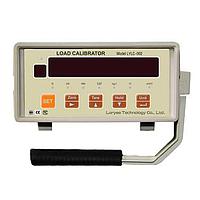
Force, load cell Calibrator Calibration Service
Accurate force measurement is critical wherever products, materials, or assemblies are tested under load. When a force or load cell calibrator drifts over time, even a small deviation can affect verification results, acceptance criteria, and the reliability of downstream testing. This is why a professional Force, load cell Calibrator Calibration Service plays an important role in quality assurance, laboratory confidence, and traceable measurement workflows.
This category is intended for users who need calibration support for force and load-related calibrators used in testing, inspection, and metrology environments. Whether the equipment is used to check load calibration machines, verify sensors, or support routine quality control, regular calibration helps maintain dependable performance and reduces uncertainty in critical measurement tasks.
Why calibration matters for force and load measurement equipment
Force calibration devices are often part of a broader test chain that may include load cells, indicators, controllers, or mechanical test systems. If the calibrator itself is out of tolerance, the error can propagate through the entire process and lead to incorrect evaluations of tensile, compression, or structural test results. In industrial and laboratory settings, this can affect compliance, product consistency, and internal audit readiness.
A properly managed calibration service helps confirm that the equipment continues to perform within expected limits. It also supports documented maintenance programs, especially where measurement traceability and repeatable testing are required. For organizations working across multiple calibration disciplines, related services such as electrical calibrator calibration may also be relevant within the same quality system.
What this service category typically supports
This category focuses on calibration needs for force and load cell calibrators used to verify or support force measurement systems. In practice, these instruments may be found in materials testing labs, manufacturing quality departments, maintenance centers, and metrology facilities where applied load must be checked with confidence.
The scope can include equipment used in conjunction with load calibration processes, especially where reliable output and comparison against known reference conditions are essential. One example in this category is the Laryee Load Calibration Machine Calibration Service, which is relevant for users operating force-related calibration equipment in structured testing environments.
Typical applications in industry and testing environments
Calibration for force and load cell calibrators is commonly required in sectors where mechanical performance must be measured and documented. This includes product testing, component validation, incoming inspection, research laboratories, and manufacturing lines that depend on repeatable load verification. Even when the operating principle is straightforward, long-term use, transport, environmental conditions, and mechanical stress can gradually influence measurement behavior.
In many facilities, force calibration is only one part of a broader instrument maintenance program. Teams may also work with services for temperature, pressure, or signal simulation depending on the equipment mix. For example, organizations managing thermal validation workflows may also review dry block and bath calibrator calibration services as part of a coordinated calibration schedule.
How to choose the right force calibrator calibration service
When selecting a service, the most important consideration is whether the provider can support the actual role of the instrument in your measurement chain. A force or load cell calibrator used for routine checks in production may have different service priorities compared with equipment used in a lab or formal verification workflow. It is also important to consider documentation needs, turnaround expectations, and how the equipment is integrated into your existing maintenance cycle.
Users should also look at the equipment type and intended use rather than choosing by name alone. Some applications are centered on verifying load behavior in test machines, while others focus on maintaining confidence in supporting reference devices. If your site handles multiple measurement variables, it may be helpful to align service planning with categories such as process signal calibrator calibration to simplify internal scheduling and documentation.
Laryee solutions in this category
Laryee is the featured manufacturer in this category context, and the available example service is oriented toward load calibration machine support. This makes it especially relevant for users who need calibration assistance around force application and verification equipment used in testing systems.
Rather than treating calibration as a one-time task, many organizations include manufacturer-related service planning as part of a longer equipment lifecycle strategy. That approach can help reduce unexpected downtime, improve consistency between service intervals, and support more stable results from force measurement processes over time.
Related calibration needs across the same maintenance program
Facilities that rely on force calibrators often maintain a wider portfolio of reference and simulation instruments. Depending on the process, this can involve electrical, rotational, pressure, or signal-related calibration tools that support different test benches or production assets. Reviewing these services together often makes planning easier and helps standardize recordkeeping across departments.
For example, rotating equipment maintenance teams may also need tachometer calibrator calibration services where speed verification is part of machine inspection. Looking at service requirements as a connected program instead of isolated tasks can improve operational visibility and reduce gaps in calibration coverage.
When to review calibration intervals
Calibration intervals are usually influenced by how frequently the instrument is used, the criticality of the measurements, environmental exposure, and internal quality procedures. Equipment used heavily in production or acceptance testing may need closer review than instruments kept for occasional reference checks. If a force calibrator has been moved, exposed to shock, or used in demanding conditions, earlier recalibration may also be worth considering.
Beyond fixed schedules, many teams review calibration status whenever test results become inconsistent or when process changes increase measurement sensitivity. Keeping intervals aligned with actual operating conditions helps maintain confidence without applying the same maintenance assumptions to every instrument.
Support better measurement confidence with the right service approach
A dependable force and load calibration workflow supports more than instrument upkeep; it helps protect the integrity of the measurements that decisions are based on. From test laboratories to industrial quality environments, regular calibration contributes to traceability, consistency, and better control of force-related processes.
If your operation depends on accurate load verification, this category provides a focused starting point for identifying suitable service options, including the Laryee-related offering shown here. Choosing calibration support with the right scope and schedule can make day-to-day testing more reliable and easier to manage over the long term.
Get exclusive volume discounts, bulk pricing updates, and new product alerts delivered directly to your inbox.
By subscribing, you agree to our Terms of Service and Privacy Policy.
Direct access to our certified experts