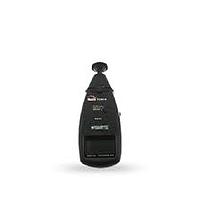
Tachometer Calibrator Calibration Service
Accurate rotational speed measurement depends on a calibrator that can be trusted. In maintenance labs, quality systems, and industrial testing environments, even small deviations in a tachometer calibrator can affect verification results, reporting confidence, and downstream decisions. A reliable Tachometer Calibrator Calibration Service helps keep reference equipment aligned with required measurement performance and supports consistent traceability in day-to-day work.
This category is intended for users who need calibration support for tachometer calibrators used to check or verify speed measurement instruments. Whether the equipment is part of a laboratory workflow or a plant maintenance program, periodic calibration is an important step in maintaining dependable measurement results and documenting instrument condition over time.
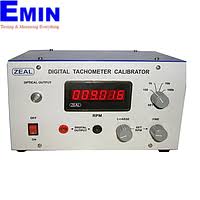
Why calibration matters for tachometer calibrators
A tachometer calibrator is used as a reference device, so its own performance needs to be verified regularly. Over time, normal use, transport, environmental conditions, and component aging can influence output stability or reading accuracy. Calibration helps identify these changes before they become a larger problem in inspection, production, or maintenance processes.
For many organizations, calibration is not only about technical accuracy but also about quality control. A documented service history makes it easier to manage audit requirements, internal maintenance intervals, and instrument lifecycle decisions. If your broader workflow includes other reference instruments, related services such as electrical calibrator calibration may also be relevant within the same quality system.
What this service typically supports
This category focuses on calibration service for instruments used to validate rotational speed measurement performance. In practical terms, that means checking the calibrator against known standards, reviewing its measurement behavior, and confirming whether it remains suitable for its intended use. The result is a clearer basis for continued operation, adjustment planning, or service scheduling.
A well-managed calibration process also supports traceability. For teams working with test benches, motors, rotating equipment, or production machinery, traceable reference equipment helps reduce uncertainty when verifying handheld tachometers or other speed-related instruments. This is especially important where measurement records are tied to product quality, preventive maintenance, or compliance documentation.
Typical use cases in industry and laboratories
Tachometer calibrator calibration service is commonly relevant in environments where rotational speed is a critical parameter. This can include manufacturing lines with motor-driven systems, maintenance departments responsible for rotating machinery, and laboratories that support equipment verification programs. In these settings, confidence in the reference instrument directly affects confidence in the instruments being checked.
The service can also be useful when calibrators are part of a wider metrology setup. Some organizations manage several reference categories at once, such as speed, temperature, pressure, and signal simulation. Where that applies, it is often practical to review adjacent services like process signal calibrator calibration or dry block and bath calibrator calibration as part of a coordinated calibration plan.
Examples of supported brands in this category
This category includes calibration service options for selected manufacturers used in technical and industrial environments. Relevant examples include TQCSheen, ZEAL, and Sansel. These names are useful reference points when users need service matched to the equipment they already operate, especially in structured calibration programs.
Representative service entries in this category include TQCSheen Tachometer Calibrator Calibration Service, ZEAL Tachometer Calibrator Calibration Service, and Sansel Tachometer Calibrator Calibration Service. These listings help users quickly identify manufacturer-aligned service options without turning the page into a simple product list. The main goal remains the same: keeping reference equipment in suitable condition for measurement work.
How to choose the right service option
When selecting a calibration service, it helps to start with the instrument identity and intended application. Confirm the manufacturer, model designation, service history, and how the calibrator is used in practice. A unit that serves as a critical reference in a quality-controlled process may need closer interval management than one used less frequently for general checks.
It is also useful to consider your documentation needs. Some users mainly need confirmation that the calibrator remains within expected performance, while others need records that fit an internal quality procedure or a broader asset management system. Looking at the service in the context of the full calibration workflow often leads to a better decision than focusing only on a single instrument event.
Benefits of regular service planning
Routine calibration planning can reduce unexpected downtime and prevent uncertainty from building up across multiple instruments. Instead of reacting only when a measurement problem appears, scheduled service supports a more stable verification routine. This is particularly valuable for organizations that rely on reference instruments to confirm the condition of field devices.
Regular review also helps with replacement and budgeting decisions. If historical calibration results show drift trends or repeated service concerns, teams can make more informed choices about maintenance, adjustment, or equipment renewal. In this way, calibration becomes part of a broader measurement management strategy rather than a standalone administrative task.
Fit within a broader calibration program
Many facilities do not manage tachometer-related equipment in isolation. Speed verification is often one part of a larger instrument control framework covering electrical, process, thermal, and pressure references. Viewing tachometer calibrator service within that larger structure helps standardize intervals, recordkeeping, and service priorities across departments.
If your operation maintains several calibrator types, it can be useful to compare service scope across related categories, including pressure comparator calibration. This kind of cross-category planning supports better consistency, especially in organizations with centralized metrology, maintenance, or QA functions.
Final considerations before arranging calibration
Before sending a unit for service, review its identification details, current condition, and any known issues observed during use. Clear records help streamline evaluation and make the calibration outcome more useful for future maintenance decisions. It is also good practice to align calibration timing with planned shutdowns, audit schedules, or routine equipment reviews where possible.
For companies that depend on reliable rotational speed verification, a structured tachometer calibrator service approach helps maintain confidence in measurement results over time. Choosing the right service category, keeping intervals under control, and integrating calibration into the wider instrument program can make the entire measurement process more dependable and easier to manage.
Get exclusive volume discounts, bulk pricing updates, and new product alerts delivered directly to your inbox.
By subscribing, you agree to our Terms of Service and Privacy Policy.
Direct access to our certified experts