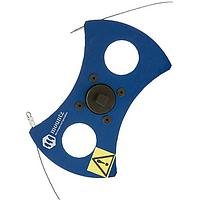
Torque calibrator Calibration Service
Accurate torque verification matters anywhere threaded fasteners, tooling systems, and assembly processes need to meet repeatable quality requirements. When a torque calibrator drifts over time, it can affect the reliability of tool checks, audit records, and the confidence behind every torque value used in production or maintenance. Torque calibrator Calibration Service helps restore measurement confidence by confirming that the instrument performs within its intended range and by documenting its condition for traceable quality workflows.
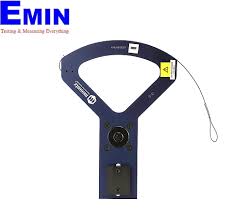
Why torque calibrator calibration service is important
A torque calibrator is often used as a reference device for checking torque tools, transducers, or assembly verification setups. Because it sits close to the quality chain, any deviation in the calibrator can cascade into wider process issues, including incorrect tool settings, inconsistent fastening results, and avoidable rework.
Regular service supports measurement traceability, improves confidence in inspection results, and helps maintenance or quality teams keep calibration intervals under control. In regulated or documentation-heavy environments, a properly serviced calibrator also makes it easier to support audits, internal quality reviews, and preventive maintenance programs.
What a typical service process is intended to address
Calibration service for torque calibrators generally focuses on verifying instrument performance against known standards and identifying whether the device remains suitable for continued use. This may include checking output behavior, reviewing measurement consistency, and documenting any observed deviation across the usable operating range.
For many users, the goal is not only to confirm accuracy but also to reduce uncertainty in downstream tasks such as torque tool validation and production line checks. If your operation relies on multiple calibration disciplines, it can also be useful to align service planning with related programs such as electrical calibrator calibration service where mixed instrumentation is used in the same maintenance or quality environment.
Applications where calibration intervals should not be overlooked
Torque calibrators are commonly used in manufacturing, maintenance workshops, aerospace support activities, automotive assembly, and other environments where controlled fastening is part of the process. In these settings, even small measurement shifts can have practical consequences, especially when torque values are tied to safety, product performance, or documented assembly procedures.
Service intervals are often influenced by frequency of use, load exposure, handling conditions, and internal quality requirements. A unit used heavily in routine verification work typically deserves closer attention than one used only occasionally, particularly if it is transported between benches, departments, or field locations.
Example service option within this category
This category includes options such as the Mountz Torque Calibrator Calibration Service, which is relevant for organizations already using Mountz equipment in torque control and verification workflows. Referencing a manufacturer-specific service path can be helpful when you want support that aligns with the original instrument ecosystem and documentation practices.
For buyers standardizing around a known supplier, the Mountz brand page can also provide broader context on related tools and torque-focused equipment. This is especially useful when calibration planning is part of a wider effort to review service coverage across torque tools, testers, and supporting devices.
How to choose the right calibration service path
The best fit usually depends on how the torque calibrator is used in your operation. Teams should consider the instrument’s role in the measurement chain, how often it is used, whether it supports critical production decisions, and what level of calibration documentation is required by internal procedures or customer standards.
It is also worth reviewing whether your site manages different calibrator types under one program. If torque measurement is only one part of a broader calibration workload, related categories such as process signal calibrator calibration service may be relevant when building a more coordinated service schedule across departments.
What good calibration management looks like in practice
A strong calibration program does more than send instruments out for periodic service. It includes asset identification, interval review, service record retention, and a clear understanding of which devices act as working tools and which serve as higher-level references. For torque calibrators, this distinction is especially important because they often support the verification of other torque-related devices.
Good practice also means reviewing performance history rather than treating every interval as routine. If a calibrator consistently performs well, it may help justify stable planning. If recurring drift or handling damage appears, the service history can highlight a need for shorter intervals, process changes, or closer control over storage and transport.
Supporting quality, maintenance, and compliance teams
Calibration service is often coordinated across several functions, not just metrology. Quality teams may need records for audits, maintenance teams may need dependable references for tool checks, and production teams may rely on calibrated devices to avoid assembly variation. A well-managed torque calibrator service program supports all of these groups by keeping reference equipment dependable and documented.
In operations with broader physical measurement and verification needs, calibration strategy may extend into neighboring areas such as rotational or pressure-related instruments. Planning service by function rather than by isolated asset can reduce administrative overhead and improve visibility across the entire instrumentation base.
Final considerations before arranging service
Before selecting a service option, it helps to review the device type, usage history, last calibration date, and the role the instrument plays in your quality system. That context makes it easier to choose a service path that matches operational risk, documentation needs, and maintenance planning.
For organizations that depend on reliable fastening verification, torque calibration is not just a periodic task but part of maintaining trust in the measurement process. A well-chosen calibration service helps keep your torque reference equipment usable, documented, and aligned with the demands of day-to-day industrial work.
Get exclusive volume discounts, bulk pricing updates, and new product alerts delivered directly to your inbox.
By subscribing, you agree to our Terms of Service and Privacy Policy.
Direct access to our certified experts