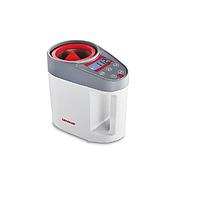
Moisture meter for agricultural products Calibration Service
Reliable moisture readings are critical when grain, seeds, feed, and other agricultural products are bought, stored, processed, or shipped. Even small measurement errors can affect drying decisions, storage stability, quality control, and commercial transactions. This is why a professional Moisture meter for agricultural products Calibration Service plays an important role in keeping instruments aligned with real operating requirements.
On this page, you can find calibration support for agricultural moisture meters used in routine inspection and quality verification. The service is relevant for users who need more confidence in day-to-day measurements, whether the instrument is used at receiving points, warehouses, farms, feed operations, or processing facilities.
Why calibration matters for agricultural moisture meters
A moisture meter is only useful when its readings remain dependable over time. In agricultural applications, readings may be influenced by product type, sample condition, temperature, usage frequency, and normal sensor drift. Periodic calibration helps verify that the device continues to measure within acceptable limits for practical use.
For agricultural products, moisture content is directly connected to storage quality, drying efficiency, spoilage risk, and pricing decisions. A calibrated instrument helps reduce uncertainty and supports more consistent process control, especially where moisture values are used as part of acceptance criteria or internal quality procedures.
Typical applications covered by this service
This category is intended for moisture meters used on agricultural products such as grains, seeds, and similar harvested materials. These instruments are commonly used during receiving inspection, before storage, during drying, and prior to transport or sale. In each of these stages, dependable readings help operators act faster and with less guesswork.
The service is especially relevant for businesses that need traceable measurement practices in agriculture and food-related workflows. If your measurement scope extends beyond harvested products, you may also want to review related services such as soil moisture meter calibration or grass and straw moisture meter calibration when those applications are part of your operation.
Supported brands and instrument examples
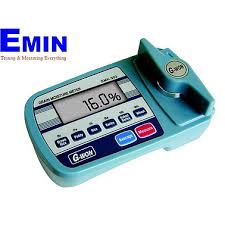
This category includes calibration service for a range of established instrument makers commonly used in agriculture. Examples include devices from DICKEY john, Kett, OHAUS, PCE, DRAMINSKI, and G-WON. Brand coverage is important because many users need service support that matches the instrument families already deployed in the field or in receiving labs.
Representative listings in this category include the DICKEY john Moisture Meter for Agriculture Calibration Service, Kett Moisture Meter for Agriculture Calibration Service, PCE Moisture Meter for Agriculture Calibration Service, DRAMINSKI Moisture Meter for Agriculture Calibration Service, OHAUS Moisture Meter for Agriculture Calibration Service, and G-WON Moisture Meter for Agriculture Calibration Service. These examples help illustrate the scope of supported agricultural moisture meter servicing rather than acting as a full technical specification list.
When to schedule calibration
Calibration intervals depend on how often the meter is used, how critical the measurement is, and how stable the instrument remains in service. Devices used daily in busy receiving or storage operations usually need closer attention than instruments used only for occasional checks. A scheduled approach is often more effective than waiting until readings become questionable.
It is also sensible to arrange calibration after heavy use, after suspected impact or environmental stress, or whenever measurement results no longer align with reference expectations. If the instrument is part of a documented quality system, a regular calibration interval helps maintain consistency and supports internal audit readiness.
What to consider when choosing a calibration service
For agricultural moisture meters, the right service should match the actual measurement task. Users typically look for support that reflects the instrument type, intended crop-related use, and the need for practical confidence in routine measurements. A good calibration process should help identify deviation trends before they become costly in real production or storage decisions.
It is also useful to choose a service category that closely fits the device application. For example, if your equipment is specifically designed for agricultural product testing, this category is more suitable than broader humidity-related services such as dehumidifier calibration service. Selecting the right category improves service relevance and makes equipment management easier across multiple instrument types.
How calibration supports quality and operational control
In agriculture and post-harvest handling, moisture data often influences immediate actions: whether a batch can be stored, whether additional drying is required, or whether a shipment meets internal acceptance standards. Better measurement reliability supports better operational decisions. This is especially important where small moisture differences can affect shelf life, handling losses, or downstream processing.
A properly managed measurement control program also helps standardize readings across teams, shifts, and locations. When multiple instruments are used in the same workflow, calibration helps reduce variation between devices and improves confidence in comparisons over time.
Related service needs in moisture and humidity measurement
Many facilities use several different instruments to monitor product condition and environmental factors together. Alongside agricultural product moisture meters, teams may also need calibration support for room humidity control or related equipment. In those cases, a linked service structure can help simplify maintenance planning and documentation.
If your process includes environmental moisture control equipment, it may be worth reviewing options such as humidifier calibration service in addition to product-focused moisture meter calibration. This broader view is useful in storage, drying, and controlled-condition areas where both product moisture and ambient conditions matter.
Choose the right service for dependable agricultural moisture measurement
Agricultural moisture meters are practical tools, but their value depends on trustworthy readings. Calibration helps maintain that trust by supporting consistent measurement performance in the applications where moisture data has direct operational and commercial impact.
If your work involves grains, seeds, feed, or similar agricultural products, this category provides a focused path for servicing the instruments used in those tasks. Reviewing the supported brand examples and choosing a calibration scope that matches your actual application is a sensible way to keep your measurement process accurate, repeatable, and easier to manage.
Get exclusive volume discounts, bulk pricing updates, and new product alerts delivered directly to your inbox.
By subscribing, you agree to our Terms of Service and Privacy Policy.
Direct access to our certified experts