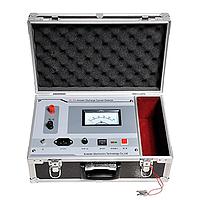
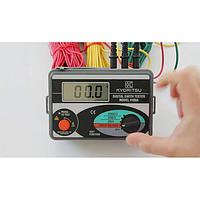
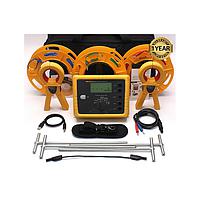
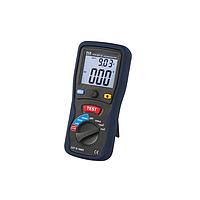
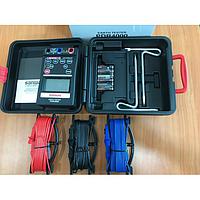
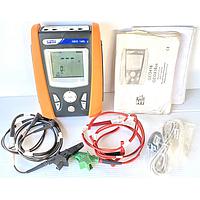
Earth Resistance/Resistivity Tester Calibration Service
Reliable grounding measurements depend on more than the instrument itself. In maintenance, commissioning, utility work, and electrical safety inspections, even a small drift in an earth tester can affect how ground resistance or soil resistivity results are interpreted. That is why Earth Resistance/Resistivity Tester Calibration Service plays an important role in keeping measurement data consistent, traceable, and suitable for technical decision-making.
This service category is intended for organizations that use earth resistance and resistivity testers as part of routine field verification, preventive maintenance, installation testing, or compliance-related inspection workflows. Whether the instrument is used for grounding system checks, lightning protection assessments, or soil analysis before installation design, calibration helps confirm that the tester continues to perform within expected measurement behavior.
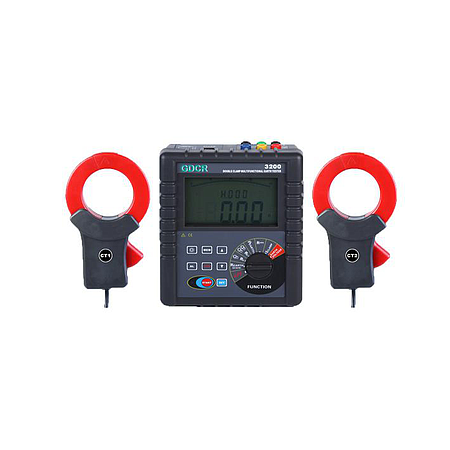
Why calibration matters for earth testing instruments
Earth resistance and resistivity measurements are often used to assess the quality of a grounding system, verify installation condition, or support troubleshooting when electrical safety performance is in question. Because these results can influence maintenance actions and technical acceptance decisions, periodic calibration is a practical step to reduce uncertainty in the measurement chain.
Compared with many bench instruments, earth testers are frequently exposed to demanding field conditions. Transport, temperature variation, humidity, lead wear, and repeated use can all affect long-term measurement stability. A proper calibration service helps verify the instrument’s response and gives users more confidence when comparing current readings with previous reports or specification targets.
Typical instruments covered in this category
This category covers calibration support for earth resistance testers and earth resistivity testers used in electrical testing and grounding applications. These instruments are commonly used by contractors, plant maintenance teams, utilities, testing laboratories, and safety inspection providers that need dependable results during periodic verification work.
Examples in this category include service options for major field instrument brands such as FLUKE, KYORITSU, PCE, SANWA, and HT. Representative listings include FLUKE Earth Ground Testers Calibration Service, KYORITSU Earth Tester Calibration Service, PCE Earth Tester Calibration Service, SANWA Earth Tester Calibration Service, and HT Instruments Earth Resistance Meter Calibration Service. These examples illustrate the scope of the category without limiting it to one single application style.
Where calibrated earth testers are commonly used
Ground testing instruments are relevant across many sectors where electrical reliability and personnel safety depend on effective earthing. Common use cases include industrial facilities, energy systems, building services, telecom sites, infrastructure projects, and maintenance programs for installed electrical networks.
In practice, calibrated testers support activities such as checking grounding resistance during system maintenance, evaluating site conditions before installing grounding electrodes, and confirming measurement consistency across repeated field visits. For teams that issue reports to clients, auditors, or internal quality departments, traceable calibration also helps strengthen the credibility of recorded measurement results.
What to consider when choosing a calibration service
Not every service need is identical. Selection often depends on the instrument type, its measurement function, how heavily it is used in the field, and the quality requirements of the organization using it. For example, a tester used frequently for site inspections may require tighter calibration control than a backup unit kept for occasional troubleshooting.
It is also useful to align calibration planning with the wider set of electrical test tools used by the same team. If your workflow includes handheld electrical diagnostics beyond grounding measurement, related services such as multimeter calibration and clamp meter calibration may help standardize maintenance intervals across the tool fleet.
Brand coverage and service relevance
Many technical teams prefer calibration options that align with the brands already used in their maintenance or test programs. This category includes representative services related to well-known manufacturers such as FLUKE, KYORITSU, PCE, SANWA, and HT, which are widely recognized in portable electrical measurement environments.
For users already working with brand-specific instrument ecosystems, it can be practical to review available options by manufacturer as well. In that context, the HT product range may be relevant for teams using HT Instruments earth resistance meters in broader electrical test applications. The main goal, however, remains the same across brands: keeping field measurement tools dependable and suitable for ongoing technical use.
Calibration within a broader electrical testing workflow
Earth testing is rarely performed in isolation. On many sites, technicians also verify voltage, current, continuity, insulation-related conditions, phase sequence, or installation parameters as part of the same inspection process. Because of that, calibration is often managed as part of a larger asset-control approach for portable electrical instruments.
For organizations handling installation verification or system commissioning, related services such as multifunction electrical installations meter calibration can complement earth tester calibration in a more complete maintenance plan. This kind of coordinated approach makes it easier to maintain documentation consistency and avoid gaps in instrument readiness.
Who benefits from this service category
This category is relevant for maintenance departments, electrical contractors, commissioning teams, E&I service providers, testing companies, utilities, and industrial operators that rely on portable grounding test equipment. It is also useful for organizations that manage multiple instruments across sites and need a clearer structure for periodic service planning.
When earth resistance or soil resistivity data is part of routine reporting, calibration becomes more than a maintenance checkbox. It supports better comparison over time, improves confidence in field readings, and helps reduce the risk of decisions being made from instruments that may have drifted after extended use.
Choosing the right service path for ongoing accuracy
If your team depends on earth resistance or resistivity measurement for installation work, safety inspection, or preventive maintenance, periodic calibration is a sensible step in protecting the value of those readings. The category brings together relevant service options for commonly used instrument brands and gives buyers a focused starting point when planning support for grounding test equipment.
As part of a broader instrument management strategy, Earth Resistance/Resistivity Tester Calibration Service helps organizations keep critical field tools in dependable working condition. Reviewing service options by brand, application, and related instrument category can make it easier to build a practical calibration schedule that matches actual operational needs.
Get exclusive volume discounts, bulk pricing updates, and new product alerts delivered directly to your inbox.
By subscribing, you agree to our Terms of Service and Privacy Policy.
Direct access to our certified experts