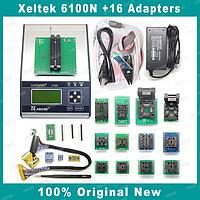
IC Programmer, Tester Calibration Service
Accurate programming and device verification depend on more than the capability of the instrument itself. In production support, repair labs, and electronics development environments, regular calibration helps IC programmers and testers maintain dependable performance, improve traceability, and reduce uncertainty when handling sensitive components and repeated programming tasks.
IC Programmer, Tester Calibration Service is intended for organizations that rely on these instruments to validate devices, program memory or logic components, and support stable electronic workflows. Whether the equipment is used in maintenance, quality control, or engineering environments, calibration is a practical step toward more consistent results over time.
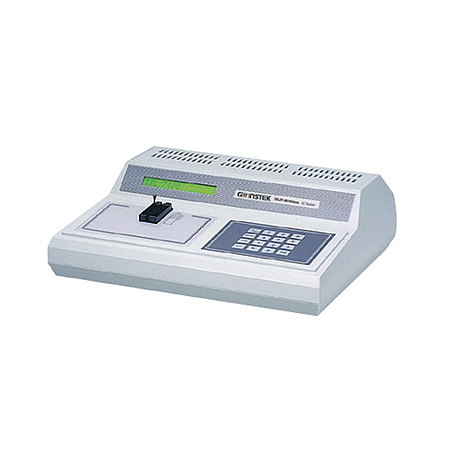
Why calibration matters for IC programmers and testers
IC programmers and tester platforms are commonly used where repeatability is important. Even when a unit appears to be functioning normally, periodic calibration can help confirm that operating values, signal behavior, and measurement-related functions remain within expected performance ranges for the application.
This is especially relevant in workflows where programmed devices are later installed into assemblies, evaluated during troubleshooting, or used in regulated documentation processes. A well-managed calibration schedule supports measurement confidence, helps reduce avoidable rework, and makes it easier to maintain consistent procedures across teams and sites.
Typical environments that use this service
This service category is relevant to electronics manufacturers, repair centers, contract manufacturers, R&D teams, educational labs, and maintenance departments that work with programmable or testable semiconductor devices. In these settings, programmers and IC testers often serve as support tools for board repair, device preparation, product validation, and incoming inspection.
Calibration can also be useful when equipment is shared among multiple operators or deployed in a high-usage environment. Over time, regular verification helps create a more predictable toolchain alongside other calibrated instruments such as multimeter calibration services and clamp meter calibration services.
Supported brands commonly requested
Organizations often look for calibration support that aligns with the brands already used in their programming and test process. Within this category, commonly referenced manufacturers include BKPRECISION, GW INSTEK, LEAPTRONIX, and Xeltek. These names are widely associated with equipment used for IC programming, testing, and related bench-level electronic service work.
The goal of a calibration service is not simply to mention the brand, but to ensure the instrument remains suitable for continued use in the intended application. For buyers and maintenance planners, manufacturer familiarity can also make it easier to align service planning with installed equipment across multiple departments.
Representative calibration service options in this category
Several representative listings help illustrate the scope of this category. Examples include the GW INSTEK IC Tester Calibration Service, LEAPTRONIX Universal Programmer Calibration Service, Xeltek Universal Device Programmer Calibration Service, and BKPRECISION IC Programmer, Tester Calibration Service.
These examples reflect the practical range of instruments that may require periodic verification, from dedicated IC tester platforms to universal programming equipment used across different device types. Rather than treating every tool the same, calibration planning should consider how each instrument is used, how frequently it is operated, and how critical its output is to downstream processes.
How to choose the right calibration service
When selecting a service, it helps to start with the instrument role in your workflow. A unit used for high-volume programming or routine verification may justify more structured calibration intervals than equipment reserved for occasional engineering support. Usage intensity, internal quality procedures, and documentation requirements all influence the right service approach.
It is also useful to review how the programmer or tester interacts with other calibrated equipment in the same process. In some maintenance and verification environments, this category sits alongside services for broader electrical test tools such as multifunction electrical installations meters. Looking at the whole instrument ecosystem can simplify scheduling and improve asset management.
Benefits for quality, maintenance, and documentation
A structured calibration program helps teams maintain process consistency. For electronics production and service organizations, that can mean more confidence in device handling, fewer doubts during troubleshooting, and clearer records when instruments are part of documented procedures.
Calibration is also valuable from an asset management perspective. It supports planned maintenance, helps identify instruments that may need further inspection, and contributes to better decisions about continued use, replacement, or service prioritization. In B2B environments, those practical advantages often matter as much as the technical check itself.
When to review calibration intervals
There is no single interval that fits every IC programmer or tester. Review cycles are often influenced by usage frequency, internal quality systems, environment, and the criticality of the tasks being performed. Equipment used in demanding production or repair settings may need closer attention than tools used only occasionally.
It can also be wise to reassess intervals after relocation, long storage periods, heavy daily use, or if results appear inconsistent during normal operation. For facilities maintaining multiple categories of electronic test equipment, calibration planning may extend to complementary services such as phase indicator calibration where relevant to the broader maintenance program.
Supporting a reliable electronics workflow
Choosing the right calibration service for IC programmers and testers is ultimately about keeping critical support equipment dependable in real working conditions. For engineering teams, repair operations, and manufacturing environments, regular calibration helps reinforce reliable operation, better documentation, and smoother day-to-day use of programming and verification tools.
If your organization works with BKPRECISION, GW INSTEK, LEAPTRONIX, Xeltek, or similar equipment in this category, reviewing calibration needs as part of a wider instrument maintenance plan is a sensible next step. A clear service strategy helps keep electronic workflows more stable, traceable, and easier to manage over time.
Get exclusive volume discounts, bulk pricing updates, and new product alerts delivered directly to your inbox.
By subscribing, you agree to our Terms of Service and Privacy Policy.
Direct access to our certified experts