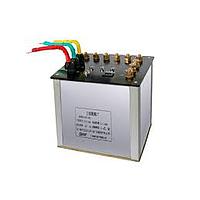
Current transformer calibration service
Accurate current measurement starts with a correctly verified transformer. In power systems, switchboards, test benches, and energy monitoring setups, even a small ratio or phase error in a current transformer can affect downstream meters, protection devices, and analysis results. That is why a reliable current transformer calibration service is important for both operational confidence and measurement traceability.
This category is intended for organizations that need calibration support for current transformers used in industrial, utility, automation, or laboratory environments. Whether the transformer is part of a measurement chain, protection circuit, or inspection workflow, calibration helps confirm that the device still performs within the expected accuracy for its application.
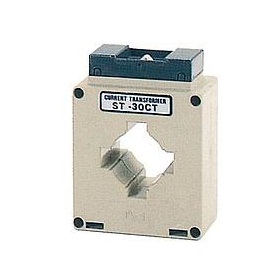
Why current transformer calibration matters
A current transformer is used to scale primary current down to a measurable value for instruments, relays, and monitoring equipment. Over time, normal use, thermal stress, environmental conditions, installation changes, or aging can influence its performance. Calibration helps identify deviations before they create larger problems in metering, protection, or system diagnostics.
In many facilities, the current transformer is not working alone. It is part of a wider measurement chain that may include panel meters, data acquisition devices, power analyzers, or automation systems. When the transformer output is no longer aligned with expected values, the error can propagate across the entire setup. In those cases, calibration is not just about the individual component, but about maintaining the integrity of the complete electrical measurement process.
Typical use cases across industrial and power applications
This service is relevant in environments where measurement accuracy and dependable electrical data are important. Common examples include energy monitoring in industrial plants, current measurement in distribution panels, verification of transformer-based metering systems, and maintenance programs for electrical test equipment.
It is also useful when a current transformer has been in service for a long period, has been relocated, or is being checked after maintenance. In commissioning and inspection work, calibration can help confirm that the transformer remains suitable for the intended duty and that connected devices receive a trustworthy secondary current signal.
What is typically evaluated during calibration
Although the exact workflow depends on the transformer type and the calibration scope, the main goal is to compare actual performance against expected behavior under controlled conditions. This may involve checking items such as transformation ratio, output consistency, and other key accuracy characteristics relevant to current transformer use.
For many users, the practical value of calibration is straightforward: it provides a documented basis for deciding whether a transformer can remain in service, should be monitored more closely, or needs corrective action. That documentation can also support quality systems, maintenance records, and internal audit requirements.
How to choose the right service for your equipment
When selecting a calibration service, it is helpful to start with the role of the transformer in your system. A transformer used for routine monitoring may not carry the same risk profile as one used in a critical metering or protective application. Understanding the operating environment, required confidence level, and how the transformer interacts with connected equipment will help define the right calibration scope.
You may also want to review related services if your measurement chain includes multiple electrical instruments. For example, systems that capture and store process values may benefit from calibration support for automation data loggers, while electrical distribution panels often require verification of panel current, voltage, power, and frequency meters as part of the same maintenance approach.
Representative service option in this category
A featured example in this category is the SEW Current transformer Calibration Service. This service is relevant for users working with SEW equipment or looking for calibration support within that brand ecosystem. If you also need to explore the broader product and service range from the same manufacturer, you can visit the SEW brand page.
The purpose of highlighting a representative service is not to limit selection, but to show the type of support available for this category. For buyers and maintenance teams, this can be a useful starting point when comparing service suitability against installed equipment, service intervals, and documentation needs.
Current transformers within a broader calibration strategy
In many B2B environments, calibration planning works best when it is aligned with the full electrical system rather than handled as an isolated task. A current transformer may feed metering devices, control panels, or variable-speed systems, so maintaining consistency across related instruments can improve troubleshooting and reduce uncertainty in recorded values.
Where applicable, organizations may also review nearby service categories such as inverter calibration service to support a more complete maintenance and verification program. This kind of structured approach is especially useful in facilities where energy performance, process stability, or compliance reporting depends on dependable electrical measurements.
Who this category is for
This category is suitable for maintenance departments, calibration coordinators, electrical contractors, industrial operators, laboratories, and technical procurement teams that need dependable support for current transformer verification. It is especially relevant when equipment performance must be documented clearly for internal quality procedures or when measurement uncertainty can affect operational decisions.
It can also help buyers who are comparing service options for installed transformer-based measurement points and want a clearer path to maintaining instrument confidence over time. In practice, the right calibration service contributes to better data quality, more reliable system evaluation, and a more controlled maintenance process.
Final considerations
Choosing a current transformer calibration service should be based on application context, required measurement confidence, and the role the transformer plays in your electrical system. A well-planned calibration program helps reduce doubt in current readings, supports better maintenance decisions, and strengthens the performance of the wider measurement chain.
If your site relies on transformer-based current measurement for monitoring, protection, or analysis, this category provides a practical starting point for finding the right service. Reviewing the transformer together with related instruments can often deliver better long-term value than checking each device in isolation.
Get exclusive volume discounts, bulk pricing updates, and new product alerts delivered directly to your inbox.
By subscribing, you agree to our Terms of Service and Privacy Policy.
Direct access to our certified experts