Data loggers for automation systems Calibration Service
Reliable process data starts with instruments that record accurately over time. In automation environments, even small drift in a data logger can affect trending, validation, troubleshooting, and compliance work, which is why Data loggers for automation systems Calibration Service is an important part of maintaining dependable measurement and control performance.
This service category is relevant for facilities that use data logging devices to capture temperature, voltage, current, process values, event history, or long-term operating conditions within automated systems. When these instruments are calibrated at suitable intervals, engineering teams can work with greater confidence in stored data, alarm analysis, and performance verification.
Why calibration matters for automation data loggers
In industrial automation, a data logger is often used as a quiet but critical layer in the system. It supports condition monitoring, process review, maintenance analysis, and validation tasks by collecting values over time. If the logger input or recording chain is inaccurate, the resulting dataset may lead to incorrect conclusions about machine behavior, energy use, or process stability.
Calibration service helps verify that the logger measures and records within acceptable limits for its intended use. This is especially important in environments where logged values are used to compare batches, investigate faults, confirm system performance, or support quality documentation. For applications focused on broader device checks, related services such as panel meter calibration may also be relevant.
Typical devices covered in this category
This category is centered on data loggers used in automation systems rather than general office or consumer recording devices. Depending on the installation, these instruments may log electrical parameters, analog signals, environmental values, or process variables from machinery, panels, and control systems.
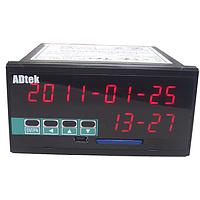
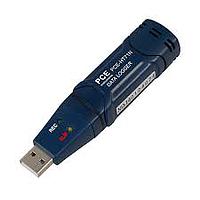
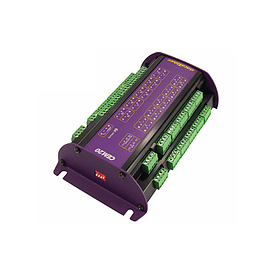
Examples visible in this category include the DataTaker Deal logger for Automation system Calibration Service, the PCE Deal logger for Automation system Calibration Service, and the Adtek Deal logger for Automation system Calibration Service. These examples show the practical scope of the service: calibration support for logger platforms used to capture and preserve operational data in industrial settings.
What calibration service typically helps verify
Although procedures depend on the specific device and measurement function, calibration generally focuses on confirming how accurately the logger reads and stores values across the applicable input range. This may involve checking the instrument response against known reference signals and reviewing whether the recorded output remains consistent and traceable.
For users, the key benefit is not just a technical check but improved confidence in historical process data. When maintenance teams review trends, when quality staff compare logged results, or when engineers validate automation behavior after changes, calibrated logging instruments reduce uncertainty in those decisions.
When to consider recalibration
Recalibration is commonly considered on a scheduled basis, but timing also depends on operating conditions and the criticality of the measurement. Devices used in demanding industrial environments, portable field checks, or validation-heavy workflows may need closer attention than loggers used only occasionally for non-critical observation.
It is also sensible to evaluate calibration after repair, after suspected overload or abnormal input conditions, or when recorded values no longer align with expected process behavior. In some systems, the logger is part of a wider measurement chain, so it may be useful to review adjacent instruments as well, such as inverter calibration services where power and drive performance are part of the overall diagnostic picture.
How to choose the right service for your logger
Choosing a suitable service starts with understanding how the logger is used in the field. Important considerations include the measured signal type, the required confidence level, the operating environment, and whether the recorded data supports maintenance, energy analysis, process verification, or quality documentation. A logger used for routine monitoring may have different service priorities from one used in acceptance testing or formal reporting.
It is also helpful to identify the make and equipment family in advance. Brands shown in this category include PCE and Adtek, alongside DataTaker, and that brand context can help align the service scope with the actual device in use. If your application depends heavily on continuous recording and trend accuracy across multiple channels, you may also want to review the broader data logger calibration service range for comparable options.
Service context within industrial measurement systems
Automation data loggers rarely work in isolation. They are often connected to sensors, transmitters, power monitoring points, control panels, or standalone test setups. Because of that, logger calibration is most valuable when viewed as part of a wider measurement ecosystem rather than as a standalone task.
For example, if a team is validating a process issue, the accuracy of the logger matters alongside the condition of the signal source and any intermediate devices. A stable, calibrated logger supports better root-cause analysis, more reliable comparisons over time, and clearer interpretation of process events recorded by the automation system.
Representative products in this category
The listed product examples provide a practical reference for the kinds of equipment covered here. These include the DataTaker Deal logger for Automation system Calibration Service, the PCE Deal logger for Automation system Calibration Service, and the Adtek Deal logger for Automation system Calibration Service.
Rather than treating these as interchangeable items, it is better to match the service to the actual logger deployed in your application. Input type, channel configuration, and the role of the device in your process all influence how calibration should be approached and how the resulting data will be used by engineering or maintenance teams.
Support better decisions with calibrated logging equipment
When a data logger is used to support diagnostics, validation, and long-term performance review, its accuracy affects more than a single reading. It influences the quality of the trend data behind maintenance actions, process adjustments, and technical reports. That is why regular attention to measurement traceability and logger performance is worthwhile in automated environments.
This category helps buyers and maintenance teams identify calibration service options for data loggers used in automation systems, including equipment associated with PCE, Adtek, and DataTaker. If your operation depends on recorded process values to guide decisions, selecting the right calibration service is a practical step toward more reliable data and more consistent system evaluation.
Get exclusive volume discounts, bulk pricing updates, and new product alerts delivered directly to your inbox.
By subscribing, you agree to our Terms of Service and Privacy Policy.
Direct access to our certified experts