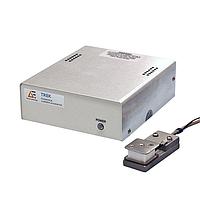
Electrostatic Discharge/charge Monitoring Equipment Calibration Service
Stable electrostatic control depends on more than installing monitors on a production line. In ESD-protected areas, charger monitors and discharge monitoring instruments need to be checked regularly so their readings remain reliable for process control, auditing, and product safety. This is where Electrostatic Discharge/charge Monitoring Equipment Calibration Service becomes important for electronics manufacturing, cleanroom operations, and other static-sensitive environments.
This category focuses on calibration support for equipment used to monitor electrostatic discharge and charge behavior. Whether the goal is maintaining traceability, verifying measurement accuracy, or supporting internal quality procedures, proper calibration helps ensure the equipment continues to reflect actual operating conditions rather than drifted or uncertain values.
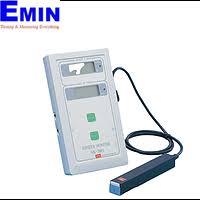
Why calibration matters for ESD and charge monitoring equipment
Electrostatic monitoring devices are often used in areas where even a small deviation can affect product handling, operator safety procedures, or compliance with internal ESD programs. Over time, normal use, environmental conditions, and component aging can influence instrument response. Calibration helps confirm that the device still performs within its intended measurement behavior.
For B2B users, calibration is not only a maintenance task. It also supports measurement confidence when troubleshooting static events, validating workstation performance, or documenting control measures during quality reviews. In operations where electrostatic conditions must be monitored consistently, verified instruments reduce uncertainty and improve decision-making.
What this service category typically covers
This category is intended for equipment used to observe, measure, or verify electrostatic discharge and charge monitoring performance. In practice, that can include charger monitors and related instruments used to assess whether electrostatic conditions are being detected correctly in production or test environments.
Calibration work in this area generally focuses on confirming that the monitoring device responds correctly to known reference conditions and that its indications remain dependable for ongoing use. For companies managing a broader ESD control system, this service fits naturally alongside related support such as electrostatic meter calibration when multiple instrument types are used together.
Common use cases in industrial and electronics environments
Charge monitoring equipment is commonly associated with electronics assembly, semiconductor handling, precision packaging, and other static-sensitive processes. In these settings, teams use monitoring instruments to detect charging behavior, confirm protective measures, and support routine ESD verification activities.
Calibration is especially relevant when the equipment is part of a documented quality system or is used to investigate intermittent process issues. If a facility also evaluates material behavior and workstation compliance, related services such as surface resistance tester calibration may help complete the overall control strategy.
Representative manufacturers and service examples
This category includes calibration services for equipment from established electrostatic and high-voltage measurement brands. Examples in this selection include Advanced Energy, TREK, KASUGA, and KLEINWACHTER, all of which are recognized names in electrostatic measurement and monitoring applications.
Representative service items in this category include the Advanced Energy Electrostatic Discharge/charger Monitors Calibration Service, TREK Electrostatic Discharge/Charger Monitors Calibration Service, KLEINWACHTER Electrostatic Discharge/Charger Monitors Calibration Service, and KASUGA Electrostatic Discharge/Charger Monitors Calibration Service. These examples help illustrate the scope of supported equipment without turning the page into a simple product list.
How to choose the right calibration service
When selecting a service, it helps to start with the exact instrument type and its role in your ESD control process. Some users need calibration primarily for periodic compliance, while others need it to investigate questionable readings, verify monitoring performance after extended use, or keep maintenance schedules aligned across multiple facilities.
It is also useful to match the service to the manufacturer and device family whenever possible. If your operation uses multiple electrostatic instruments, consider whether related calibration categories are also relevant, such as electrostatic eliminator calibration for ionization control equipment. Taking a system-level view often makes service planning more efficient.
Calibration within a broader electrostatic control program
ESD performance is rarely determined by one instrument alone. Monitoring equipment, meters, resistance testers, and ionization-related devices often work together to support a complete control environment. Regular calibration across these tools helps maintain consistency between measurements taken at different points in the process.
For organizations that need a wider service scope, this category can be considered alongside electrostatic chuck supply calibration service and other electrostatic equipment support areas where applicable. This broader approach is particularly useful in advanced manufacturing environments where static control interacts closely with process stability and equipment reliability.
What buyers and maintenance teams should prepare
Before arranging calibration, it is helpful to confirm the device model, manufacturer, current operating condition, and any symptoms observed in the field. Internal teams may also want to note how the instrument is used, how often it is checked, and whether the calibration is tied to an audit cycle, preventive maintenance plan, or product quality requirement.
Clear service matching reduces delays and helps ensure the correct calibration route is selected for the instrument. For purchasing departments, this also makes it easier to standardize service requests across sites, especially when multiple brands or several types of electrostatic monitoring equipment are involved.
Supporting reliable ESD monitoring over time
Accurate monitoring is a practical part of protecting static-sensitive processes. By using a dedicated calibration service for charger monitors and related equipment, businesses can support traceability, improve confidence in measurement results, and keep electrostatic control programs aligned with operational requirements.
If your facility depends on verified ESD and charge monitoring performance, this category provides a focused starting point for identifying the right service for your equipment. It is a straightforward way to keep essential monitoring tools dependable as part of a long-term electrostatic control strategy.
Get exclusive volume discounts, bulk pricing updates, and new product alerts delivered directly to your inbox.
By subscribing, you agree to our Terms of Service and Privacy Policy.
Direct access to our certified experts