
Copper Meter Calibration Service
Reliable copper measurement depends on more than the meter itself. In water quality control, laboratory testing, process monitoring, and field inspection, even a small drift in a copper meter can affect compliance decisions, chemical dosing, or product quality. A professional Copper Meter Calibration Service helps keep readings consistent, traceable, and suitable for day-to-day technical use.
This service category is intended for organizations that use copper meters to monitor dissolved copper concentration and need confidence in measurement accuracy over time. Whether the instrument is used in routine testing or periodic verification, calibration supports better data quality, easier audit preparation, and more dependable maintenance planning.
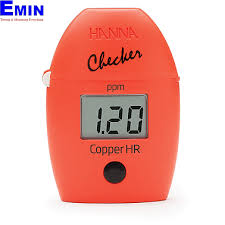
Why copper meter calibration matters
Copper measurement is often part of broader water analysis and environmental monitoring workflows. When an instrument begins to drift, the impact may not be obvious at first, but it can lead to incorrect trend analysis, unnecessary corrective actions, or missed process deviations. Regular calibration helps confirm that the meter still responds properly across the intended measuring range.
For B2B users, calibration is also about measurement confidence. Service records can support internal quality systems, scheduled maintenance routines, and equipment lifecycle management. In many facilities, this is especially important when results are used for reporting, comparison between sites, or acceptance criteria in testing procedures.
Typical applications for copper meters
Copper meters are commonly used where dissolved metal concentration must be monitored as part of water treatment, laboratory control, or environmental assessment. Typical use cases include industrial water systems, educational or research laboratories, treatment plants, and technical service organizations that perform routine sampling.
The calibration requirement becomes more important when the instrument is used frequently, transported between sites, or exposed to varying operating conditions. In these situations, calibration is not only a periodic quality task but also a practical way to reduce uncertainty in ongoing measurements.
What a calibration service helps verify
A copper meter calibration service generally focuses on whether the instrument indicates values correctly against known references and whether its response remains stable. This can help identify offset, sensitivity changes, or other performance issues that may not be visible during normal use. The result is a clearer understanding of whether the instrument is still suitable for its intended application.
For technical teams, this service is useful as part of a broader instrument control program. It supports planned maintenance, helps separate calibration needs from repair needs, and gives users a more structured basis for deciding when to continue using a meter, when to adjust procedures, or when replacement should be considered.
Supported brands and example service options
This category includes calibration service options for instruments from manufacturers such as HANNA and HUMAS. These brands are often selected in technical environments where compact analytical instruments are used for routine measurement and verification tasks.
Representative services in this category include the HANNA Copper Meter Calibration Service and the HUMAS Copper Meter Calibration Service. These examples show the practical scope of the category: brand-specific calibration support for copper measurement instruments rather than a generic, one-size-fits-all service description.
How to choose the right calibration service
When selecting a service, it is useful to match the calibration request to the actual instrument brand and its operational role. A meter used in a laboratory with regular testing cycles may need a different service interval strategy than one used occasionally for field checks. Review how often the instrument is used, how critical the readings are, and whether records are required for internal or customer-facing quality documentation.
It is also helpful to consider the broader measurement environment. If your team manages several environmental instruments together, related services such as light meter calibration or dew point meter calibration may be part of the same maintenance planning workflow.
When recalibration should be considered
Calibration intervals depend on usage intensity, handling conditions, and the level of accuracy expected in the application. In many cases, recalibration should be considered after extended use, after long storage, when readings appear inconsistent, or after the instrument has been subjected to transport, impact, or unusual environmental exposure.
Facilities that follow periodic quality schedules may also align copper meter calibration with annual or semi-annual instrument review cycles. The most effective approach is usually a risk-based one: the more critical the reading is to process decisions or compliance-related work, the more important it is to maintain a consistent service schedule.
Part of a broader environmental instrument maintenance strategy
Copper meters are rarely managed in isolation. In many organizations, they are one element in a wider set of testing and monitoring devices used for environmental or process-related measurements. Building calibration into a structured maintenance program helps reduce downtime, improve recordkeeping, and create a more predictable service cycle across instrument types.
For teams responsible for multiple analyzers and meters, related categories such as water activity meter calibration service can also be relevant when planning service coverage across departments or applications.
Choosing a service that fits operational needs
The right calibration service should support how the instrument is actually used in the field or lab. That includes the brand of meter, the importance of measurement repeatability, and the role the data plays in your operational decisions. A focused service category like this helps buyers quickly identify suitable options without sorting through unrelated calibration types.
If your organization relies on copper testing for routine monitoring or quality control, keeping meters properly calibrated is a practical step toward more reliable results. Reviewing available services for the appropriate brand and aligning them with your maintenance schedule can help keep measurement performance under control over the long term.
Get exclusive volume discounts, bulk pricing updates, and new product alerts delivered directly to your inbox.
By subscribing, you agree to our Terms of Service and Privacy Policy.
Direct access to our certified experts
