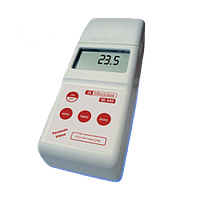
Food Testing Machine Calibration Service
Reliable measurement is essential in food production, incoming inspection, laboratory verification, and quality control. When moisture, refractive index, composition, or related food parameters are checked with unverified instruments, the risk is not only inaccurate data but also poor process decisions, inconsistent product quality, and avoidable compliance issues. A well-planned Food Testing Machine Calibration Service helps keep these instruments aligned with their intended measurement performance.
This category brings together calibration support for food-focused measuring equipment used across processing plants, QC labs, warehouses, and inspection points. It is relevant for businesses working with raw materials, grains, liquids, seafood, packaged products, and other applications where repeatable readings are important for evaluation, acceptance, and process adjustment.
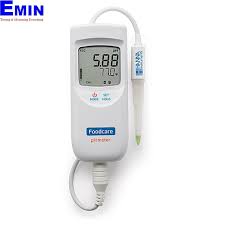
Why calibration matters in food testing workflows
Food testing instruments are often used to support fast decisions: whether a batch meets moisture limits, whether soluble solids are within target range, or whether a sample falls inside expected quality criteria. Over time, even well-maintained devices can drift due to routine use, environmental conditions, handling, transport, or sensor aging. Calibration helps verify that the instrument continues to provide dependable readings within its operating purpose.
In many facilities, these devices are part of a broader measurement chain that includes sampling procedures, operator technique, and acceptance thresholds. A structured calibration service reduces uncertainty in that chain and supports more consistent comparisons between batches, shifts, and production locations.
Types of instruments covered in this category
This category is suitable for a range of equipment used in food inspection and analysis. Typical examples include food moisture meters, food refractometers, fish analyzers, and general food inspection instruments used to assess product condition or quality-related values. The goal is not simply to “check if the unit turns on,” but to confirm measurement behavior against recognized calibration procedures.
Representative services in this category include the G-WON Food Moisture Meter Calibration Service, the skSATO Food Refractometer Calibration Service, and the Yamato Fish Analyzer Calibration Service. These examples illustrate the practical scope of the category for specialized food testing devices used in real production and laboratory environments.
Supported brands and equipment context
Calibration needs can vary by device design, sensing principle, sample type, and intended use. This category includes support related to instruments from manufacturers such as DICKEY john, MILWAUKEE, PCE, skSATO, Yamato, and G-WON. Mentioning the manufacturer is useful because different product families may be commonly used for grain testing, food inspection, liquid analysis, or niche quality checks.
Examples of listed services include MILWAUKEE Food inspection equipment Calibration Service, DICKEY john Food inspection equipment Calibration Service, and PCE Food inspection equipment Calibration Service. These references help buyers identify calibration options for known brands without turning the page into a simple product list.
What to consider when selecting a food testing machine calibration service
The first point is the instrument type. A moisture meter, refractometer, and fish analyzer do not behave the same way, so calibration requirements should match the device’s measurement method and application. Buyers should also consider how the instrument is used: on the production floor, in a quality lab, for incoming goods inspection, or as part of periodic verification for internal quality systems.
The second point is the practical measurement range used in daily operation. Calibration is most valuable when it reflects actual working conditions rather than only a generic check. Sample type, frequency of use, transport between sites, and the consequences of out-of-tolerance readings can all influence how often a unit should be calibrated and how closely its performance should be reviewed.
It is also useful to look at related services when your inspection workflow includes more than one instrument type. For example, some facilities that manage product stability or packaging conditions may also need water activity meter calibration or alcohol meter calibration as part of a broader quality control program.
Typical applications across food and beverage operations
These calibration services are relevant in industries where measurable product characteristics influence process control and product release. Common examples include grain and agricultural product handling, beverage preparation, ingredient verification, seafood evaluation, food processing, and laboratory-based quality assurance. In these settings, decisions often depend on values that must remain repeatable from one test cycle to the next.
For instance, moisture-related measurements can affect storage decisions and product stability, while refractometer-based checks can support concentration or formulation control. Fish analyzers and other food inspection devices may be used where composition or quality grading requires better confidence in instrument output. In each case, calibration supports a more stable testing process rather than replacing good sampling and operating practice.
Examples of services available in this category
This category includes several representative service listings for common food testing instruments. These include the G-WON Food Moisture Meter Calibration Service, MILWAUKEE Food inspection equipment Calibration Service, DICKEY john Food inspection equipment Calibration Service, skSATO Food Refractometer Calibration Service, PCE Food inspection equipment Calibration Service, and Yamato Fish Analyzer Calibration Service.
Each service listing can help buyers identify whether the calibration need relates to a general inspection device or a more specialized instrument. This is especially useful for procurement teams, maintenance coordinators, and laboratory staff who need to match service selection to the installed equipment base without manually searching across unrelated categories.
How calibration fits into a broader quality assurance program
Calibration works best when it is treated as part of a repeatable measurement management process. That includes maintaining service intervals, documenting instrument identity, reviewing historical performance, and aligning calibration timing with production risk. For companies handling multiple inspection technologies, food testing equipment is often only one part of the wider measurement ecosystem.
Where environmental or process conditions affect testing results, related calibration categories may also be relevant. Some organizations pair food instrument verification with services such as dew point meter calibration to monitor surrounding conditions that can influence materials, storage, or test consistency.
Choosing the right service path for your equipment
If your operation relies on data from food analyzers, moisture meters, refractometers, or inspection instruments, calibration should be selected based on the actual role of the device in your process. It is helpful to start with the equipment family, manufacturer, and test purpose, then review the available service listings that best match your installed instruments and routine measurement tasks.
This category is designed to make that selection easier by grouping relevant services for food-focused testing equipment in one place. Whether you are managing periodic verification for a single analyzer or coordinating multiple instruments across production and laboratory teams, a suitable food testing calibration plan supports more consistent measurement, clearer quality decisions, and better day-to-day control of your testing workflow.
Get exclusive volume discounts, bulk pricing updates, and new product alerts delivered directly to your inbox.
By subscribing, you agree to our Terms of Service and Privacy Policy.
Direct access to our certified experts