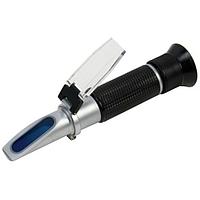
Oil and acid gauges Calibration Service
Measurement reliability matters whenever oil condition, acidity, concentration, or coolant quality affects product quality, maintenance decisions, or process control. In these cases, regular calibration helps keep field and laboratory instruments aligned with known reference values, reducing the risk of drift, inconsistent readings, and avoidable inspection errors. This page covers Oil and acid gauges Calibration Service for instruments used to evaluate oils, acidic solutions, refractive properties, and related testing points in industrial and technical environments.
Why calibration is important for oil and acid measuring instruments
Instruments used for oil and acid measurement often operate in applications where even small reading deviations can influence decisions on fluid replacement, contamination checks, quality verification, or process adjustments. Over time, sensors and optical components may drift due to use, environmental exposure, handling, or aging. A structured calibration service helps verify whether the instrument still performs within its intended measuring behavior.
This is especially relevant for refractometers, acidity meters, oil content analyzers, and coolant or battery fluid testers. When these devices are used in maintenance workshops, production lines, laboratories, or inspection departments, reliable readings support better traceability and more consistent data across teams and sites.
Instruments commonly covered in this category
This category is suitable for a range of devices used to assess fluid condition and composition. Typical examples from this scope include the ATAGO Oil Refractometer Calibration Service, Hanna Oil Refractometer Calibration Service, Extech Oil & Acid Refractometer Calibration Service, G-won Acidity Meter Calibration Service, JTC Battery Coolant Tester Calibration Service, and Horiba Oil Content Analyzer Calibration Service.
Although these instruments use different measurement principles, they share a common requirement: their readings need periodic verification against recognized standards or reference conditions. For optical instruments such as oil refractometers, calibration helps confirm that refractive readings remain dependable. For analyzers and acidity meters, the process helps evaluate whether the displayed values continue to reflect actual sample conditions with acceptable consistency.
Typical applications across industry and maintenance work
Oil and acid related instruments are used in a wide range of technical environments. Maintenance teams may rely on them to check battery coolant condition or assess service fluids. Quality control staff may use refractometers and analyzers to evaluate concentration, contamination, or fluid condition during incoming inspection and process monitoring. Laboratory users may need confidence that trend data remains comparable over time.
In these settings, calibration is not only about compliance. It also supports practical day-to-day decisions such as whether a process fluid is within range, whether a sample should be retested, or whether an instrument is still suitable for routine use. Where multiple environmental instruments are managed together, users may also review related services such as water activity meter calibration for broader control of measurement quality.
How to choose the right service for your instrument
The most effective calibration approach depends on the instrument type, the measurement method, and how the device is used in practice. A handheld tester used for fast field checks may have different service expectations from a laboratory analyzer used for repeatable reporting. It is useful to confirm the instrument brand, model, application, measurement range, and any specific reporting needs before selecting a calibration service.
Brand-specific examples in this category include services associated with HORIBA oil content analyzers, HANNA and ATAGO refractometers, EXTECH combination oil and acid refractometers, JTC testers, and G-WON acidity meters. Choosing a service that matches the actual instrument type helps avoid mismatched procedures and supports more meaningful calibration results.
What calibration helps verify
For this category, calibration generally focuses on confirming the instrument’s response against appropriate references and checking whether readings remain stable and usable for the intended task. Depending on the device, this may involve evaluating display behavior, optical alignment, response at selected points, or consistency across the relevant working range. The goal is not simply to “pass” a device, but to understand whether its measurements remain trustworthy for operational use.
This is particularly important for instruments that are used intermittently or exposed to temperature changes, transport, or demanding field conditions. Even when an instrument appears to function normally, unnoticed drift can affect trend interpretation and maintenance planning. Similar thinking applies across other specialized instruments, including dew point meter calibration service where environmental conditions can also influence measurement confidence.
Examples of instruments in this service scope
Several representative services illustrate the range covered in this category. The G-won Acidity Meter Calibration Service is relevant where acidity values need dependable verification. The Hanna Oil Refractometer Calibration Service and Atago Oil Refractometer Calibration Service are suitable examples for optical instruments used to assess oil-related properties. The Extech Oil & Acid Refractometer Calibration Service supports combination measurement needs, while the JTC Battery Coolant Tester Calibration Service fits maintenance-oriented testing tasks. For analytical applications, the Horiba Oil Content Analyzer Calibration Service addresses instruments used for oil content evaluation.
These examples help define the category, but the main consideration should always be the function of the instrument and the measurement task it supports. Calibration is most valuable when it is aligned with the real operating context rather than selected only by product family name.
When to schedule calibration
Calibration intervals often depend on usage frequency, criticality of the measurement, internal quality procedures, and the operating environment. Instruments used heavily, moved between sites, or exposed to challenging conditions may require more frequent attention than devices stored in a controlled setting. If results start to vary unexpectedly, if the instrument has experienced shock or repair, or if traceability is needed for audits and reporting, recalibration becomes especially important.
Organizations that maintain multiple measurement tools may coordinate calibration schedules across related devices to simplify asset management. For example, some users also maintain services for alcohol meters and other environmental or fluid-testing instruments as part of a broader instrument control program.
Support better measurement decisions with regular calibration
Reliable readings are essential when testing oil condition, acidity, refractive behavior, or coolant-related parameters. A well-matched calibration service helps verify instrument performance, supports repeatable measurement practice, and reduces uncertainty in inspection and maintenance work. Whether you use handheld testers, refractometers, acidity meters, or oil content analyzers, selecting the appropriate service for the instrument and application is the practical first step.
By reviewing the instrument type, brand, and actual measurement purpose, users can choose a service path that fits their workflow and data quality needs. This category brings together calibration options for oil and acid related gauges and testers so that measurement results remain more dependable over time.
Get exclusive volume discounts, bulk pricing updates, and new product alerts delivered directly to your inbox.
By subscribing, you agree to our Terms of Service and Privacy Policy.
Direct access to our certified experts