
Surfactant photometer Calibration Service
Accurate surfactant measurement matters when water quality, cleaning validation, and process control depend on low-level chemical detection. In these applications, even a small reading drift can affect pass/fail decisions, trend analysis, or compliance documentation. A reliable Surfactant photometer Calibration Service helps keep results consistent and supports confidence in routine testing.
Photometric instruments used for surfactant analysis rely on stable optical performance, correct wavelength response, and dependable signal interpretation. Over time, normal use, environmental conditions, handling, and aging components can influence measurement accuracy. Regular calibration is therefore an important part of maintaining traceable performance and reducing uncertainty in laboratory, industrial, and field measurement workflows.
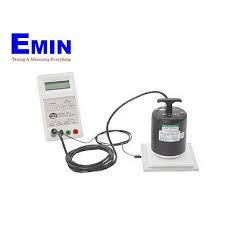
Why calibration is important for surfactant photometers
A surfactant photometer is typically used where repeatable chemical analysis is more important than a simple indication. If the instrument response shifts, the displayed value may no longer represent the actual sample condition with sufficient accuracy. This can create problems in detergent monitoring, wastewater checks, rinsing verification, and other quality-related tasks.
Calibration helps verify that the instrument is reading within acceptable performance limits. It also provides a documented basis for maintenance planning, audit preparation, and internal quality control. For organizations that depend on measured data rather than visual estimation, calibration is a practical requirement rather than an optional step.
What this service typically addresses
This category focuses on calibration support for surfactant photometers within the broader scope of environmental and analytical instrumentation. The service is intended to assess measurement behavior and confirm whether the device continues to perform in line with expected operating criteria.
In practice, calibration of a photometric instrument may involve checks related to optical response, measurement stability, and reading consistency under controlled reference conditions. The exact procedure depends on the instrument design and measurement principle, but the main objective remains the same: to improve confidence in the readings used for technical and quality decisions.
Applications where stable readings matter
Surfactant photometers are commonly associated with environments where chemical residues, wash performance, or water condition need to be monitored with greater objectivity. In these situations, inaccurate data can lead to unnecessary corrective actions or overlooked process issues. A calibrated instrument helps users compare results over time with better consistency.
This is especially relevant when measurement data is used alongside other environmental or process-control instruments. For example, facilities that maintain broader calibration programs may also review services such as dew point meter calibration or light meter calibration to keep different parts of their monitoring system aligned.
When to consider recalibration
Calibration intervals are usually determined by how often the instrument is used, how critical the measurement is, and the operating environment. A unit used frequently in production support, field sampling, or regulated testing may require more regular verification than a backup instrument used only occasionally.
Recalibration should also be considered after transport shock, unusual readings, repair, extended storage, or any event that could affect optical or electronic performance. If historical data begins to show unexplained variation, calibration can help determine whether the issue is process-related or instrument-related.
Benefits for quality systems and operational control
A documented calibration record supports traceability and makes it easier to manage equipment across multiple sites or departments. This is useful for laboratories, utilities, food and beverage operations, chemical processing, and facilities with internal validation procedures. It also helps technical teams demonstrate that key measuring instruments are being controlled systematically.
Beyond compliance, calibration can improve daily decision-making. When operators trust the instrument, they can respond faster to genuine process changes without second-guessing whether the analyzer itself is drifting. In many cases, this reduces repeat testing, unnecessary downtime, and avoidable product or process uncertainty.
How to choose the right calibration support
When arranging service for a surfactant photometer, it is worth considering the instrument’s role in the process, the required documentation, and the level of measurement confidence needed by your organization. A critical-control instrument may need tighter review and more formal records than a general monitoring device.
It is also helpful to look at calibration planning across related instruments rather than treating each device in isolation. Companies that manage a wider environmental measurement program may also need services such as water activity meter calibration or radiometer and UV instrument calibration, depending on their application mix.
Supporting reliable measurement over time
Photometric instruments often remain in service for long periods, but long service life only creates value when the readings stay dependable. Calibration is one of the most effective ways to maintain measurement confidence and detect performance shifts before they affect reporting or operations.
For organizations that rely on surfactant testing as part of routine control, periodic calibration helps turn the instrument into a more trustworthy decision tool. A clear service schedule, proper documentation, and timely recalibration can all contribute to more stable measurement performance throughout the equipment lifecycle.
Conclusion
Choosing a suitable calibration approach for a surfactant photometer is ultimately about protecting data quality. Whether the instrument is used for process monitoring, environmental checks, or analytical support, regular verification helps ensure that results remain useful, comparable, and easier to defend in technical review.
If your workflow depends on photometric surfactant measurement, this service category provides a practical path to maintaining accurate and traceable results. It also fits naturally into a broader calibration strategy for environmental and chemical measurement instruments across the facility.
Get exclusive volume discounts, bulk pricing updates, and new product alerts delivered directly to your inbox.
By subscribing, you agree to our Terms of Service and Privacy Policy.
Direct access to our certified experts