Urea Meter Calibration Service
Accurate urea measurement matters wherever concentration directly affects process quality, product consistency, or compliance checks. When a refractometer or urea meter starts to drift, even small reading errors can influence batch decisions, fluid preparation, and routine verification work. A professional Urea Meter Calibration Service helps keep those measurements reliable and easier to trust in day-to-day operation.
This category is intended for users who need calibration support for urea measurement instruments used in industrial, laboratory, and inspection environments. Whether the device is used for routine checking, incoming material verification, or process control, calibration is a practical step to maintain confidence in measurement results and reduce uncertainty over time.
Why calibration is important for urea measurement instruments
Urea meters and urea refractometers are often used in applications where concentration must remain within a defined operating range. In these situations, the instrument is not just providing a number on a display; it is supporting technical decisions related to process control, product handling, and quality documentation. Regular calibration helps confirm that the instrument still performs within expected accuracy.
Over time, measurement deviation can appear because of normal use, environmental exposure, handling, or reference drift. A structured calibration service helps identify that deviation early, so users can compare current instrument behavior against known standards and determine whether adjustment, servicing, or continued use is appropriate.
What this service category typically covers
This category focuses on calibration support for instruments used to measure urea concentration, especially refractometer-based devices. In many B2B environments, these instruments are used as part of a broader measurement workflow rather than as standalone tools, so calibration should be viewed as part of an overall quality system.
Typical service needs include periodic verification, scheduled recalibration, and support for instruments that are showing questionable readings. For users working with other concentration-related devices, related services such as alcohol meter calibration may also be relevant when multiple fluid measurement instruments are maintained within the same facility.
Examples of supported instruments
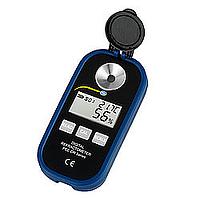
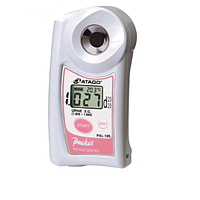
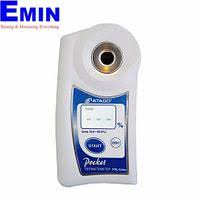
The category includes representative services for well-known urea refractometer brands used in technical environments. Examples include the Atago Urea Refractometer Calibration Service and the PCE Urea Refractometer Calibration Service. These examples illustrate the type of support available for instruments designed to measure urea concentration using refractive principles.
Where brand preference matters for existing equipment fleets, users may also explore manufacturers such as ATAGO or PCE for related instrument lines and product context. The goal is not simply to match a brand name, but to ensure the calibration request aligns with the actual instrument type and measurement function.
How to know when calibration is due
Calibration intervals depend on how frequently the instrument is used, how critical the measurement is, and the internal quality requirements of the site. Instruments used in regular production checks or repeated field verification usually require closer attention than devices used only occasionally. If an instrument has been transported often, exposed to changing conditions, or used heavily, calibration should be reviewed sooner rather than later.
Common signs that service may be needed include inconsistent readings between operators, results that no longer agree with expected reference values, or uncertainty after maintenance or long storage. In regulated or quality-driven environments, scheduled calibration is often preferred to reactive calibration because it supports traceability and reduces disruptions during audits or customer reviews.
Choosing the right calibration service
When selecting a calibration service, the most important step is matching the service to the actual measurement instrument and its intended use. A urea refractometer used for concentration checking may require a different calibration approach than another environmental or process instrument, even if both are part of the same maintenance program.
It is also useful to consider the wider instrument portfolio in your facility. For example, teams handling moisture-related measurements may also need water activity meter calibration service, while operations working with humidity-related verification may look at dew point meter calibration service. Looking at calibration needs across categories can simplify planning and improve maintenance consistency.
Calibration as part of a broader quality workflow
In many industrial and laboratory settings, calibration is most effective when it is integrated into a repeatable equipment management process. That includes maintaining service intervals, checking instrument condition before use, and documenting calibration status for each device. A urea meter that is calibrated on time is easier to include in inspection routines, operator handover, and internal quality records.
This is especially relevant in B2B environments where measurement results may affect production decisions, customer requirements, or internal release procedures. Rather than treating calibration as a one-time corrective action, many organizations use it as part of a preventive approach that supports measurement reliability, reduces avoidable retesting, and improves confidence in the instrument fleet over time.
Support for routine maintenance and instrument confidence
Calibration does not replace proper handling, cleaning, or storage, but it works alongside those practices to keep instruments dependable. For refractometer-based urea measurement, stable performance depends not only on the instrument itself but also on how consistently it is used and verified. A scheduled service plan can therefore help extend practical usability and reduce uncertainty during routine checks.
For buyers, maintenance coordinators, and quality teams, this category provides a focused route to calibration support for urea measurement devices without forcing a broad search across unrelated services. If you already know the brand or the instrument family, the examples in this category can help narrow the next step more efficiently.
Final considerations
Choosing a suitable Urea Meter Calibration Service is ultimately about preserving confidence in concentration measurements that support technical work. By aligning calibration intervals with actual usage, confirming the correct service for the instrument type, and managing calibration as part of a wider quality routine, teams can keep measurement tools ready for reliable operation.
If your application depends on repeatable urea readings, this category offers a practical starting point for identifying the right service path for your instrument and maintaining consistent performance over time.
Get exclusive volume discounts, bulk pricing updates, and new product alerts delivered directly to your inbox.
By subscribing, you agree to our Terms of Service and Privacy Policy.
Direct access to our certified experts