Water Hardness Tester Calibration Service
Reliable hardness readings matter when water quality data is used for process control, compliance checks, or routine field verification. Even small measurement drift can affect chemical dosing, maintenance planning, and the interpretation of magnesium or total hardness results. A professional Water Hardness Tester Calibration Service helps keep photometers and related instruments aligned with expected performance so results remain consistent and defensible over time.
This service is especially relevant for laboratories, utilities, building maintenance teams, food and beverage operations, and industrial facilities that depend on repeatable water analysis. Whether the instrument is used occasionally or as part of a regular testing workflow, calibration supports confidence in the readings and reduces uncertainty during day-to-day use.
Why calibration matters for water hardness testing
Water hardness measurements are commonly used to assess dissolved mineral content, support treatment decisions, and monitor system conditions that may contribute to scaling or process instability. When an instrument begins to drift, the impact is not always obvious at first, but over time it can lead to incorrect trend analysis or unnecessary corrective action.
Calibration is the practical step that helps verify whether the tester is still performing within acceptable expectations. For organizations that document quality procedures or rely on comparable results across sites, regular service also improves traceability and supports a more controlled measurement process.
Instruments typically covered in this category
This category is intended for hardness measurement devices used in water analysis, particularly portable or benchtop testers that require periodic performance verification. In many applications, these instruments are used for routine checks in plant utilities, environmental monitoring, facility management, and general laboratory work.
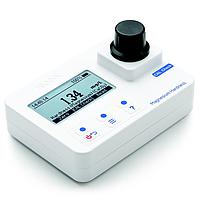
A representative example is the Hanna Magnesium Hardness Phottometer Calibration Service, which supports instruments used to evaluate magnesium hardness in water samples. For users working with HANNA instrumentation, calibration helps maintain confidence in readings and supports continued usability in regular testing programs.
What users typically expect from a calibration service
Although exact procedures depend on the instrument type and condition, a calibration workflow generally focuses on verifying measurement response, checking functional performance, and identifying deviations that may affect the quality of results. This is particularly important for testers used in routine monitoring, where repeatability matters as much as absolute measurement confidence.
In practical terms, a service like this is valuable when you notice inconsistent readings, after extended usage, or as part of a planned maintenance interval. It can also be appropriate before internal audits, method reviews, or situations where measurement data is used to support customer, regulatory, or operational decisions.
How to decide when your tester should be calibrated
Calibration intervals are usually based on usage frequency, operating environment, internal quality requirements, and the criticality of the measurement. A tester used daily in demanding field conditions may need attention sooner than an instrument used occasionally in a controlled laboratory setting.
Common triggers include unusual measurement variation, results that no longer align with reference expectations, or a period of storage and transport before reuse. If hardness readings are tied to treatment adjustments or reporting obligations, it is often wise to schedule calibration proactively rather than wait for visible performance issues.
Related calibration services in environmental measurement
Many organizations manage multiple instruments as part of a broader environmental or utility monitoring program. In those cases, it can be useful to review related service categories such as water activity meter calibration for controlled storage and product quality workflows, or dew point meter calibration where moisture conditions need to be monitored accurately.
Facilities that also use optical measurement tools may benefit from reviewing light meter calibration services. Looking at calibration needs across the instrument fleet can improve maintenance planning and help standardize service intervals across departments.
Choosing the right service approach
When selecting a calibration service, it helps to consider the instrument type, the role of the measurement in your process, and whether the device is part of a documented quality system. A good fit is not only about the device itself, but also about how the resulting data will be used in operations, maintenance, or reporting.
Measurement reliability should be the main goal. For hardness testers, that means focusing on stable performance, reduced uncertainty in routine use, and a clear maintenance path that supports long-term instrument value rather than waiting until problems become disruptive.
Support better water quality decisions with calibrated instruments
Hardness testing is often a small part of a larger water quality workflow, but it can influence important operational decisions. Keeping testers properly calibrated helps ensure the data remains useful for trending, troubleshooting, and daily control tasks.
If your team relies on portable photometers or similar analyzers for water hardness measurement, scheduling periodic calibration service is a practical way to improve confidence in results and maintain consistency across testing activities. This category is designed to support that need with service options relevant to routine water analysis and instrument upkeep.
Get exclusive volume discounts, bulk pricing updates, and new product alerts delivered directly to your inbox.
By subscribing, you agree to our Terms of Service and Privacy Policy.
Direct access to our certified experts