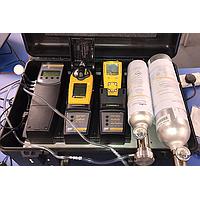
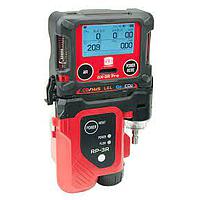
Fixed Gas Meter Calibration Service
In continuous gas monitoring systems, measurement drift can develop gradually and remain unnoticed until alarms become unreliable or compliance checks reveal a problem. A professional Fixed Gas Meter Calibration Service helps restore confidence in installed gas detection points by verifying response, adjusting readings when required, and confirming that the instrument continues to perform within its intended operating range.
This service is relevant anywhere fixed gas monitoring supports safety, process continuity, or environmental control. Whether the system is used around utilities, chemical handling areas, confined spaces, or production zones, routine calibration is a practical part of maintaining dependable gas measurement and alarm performance.
Why fixed gas meter calibration matters
Fixed gas meters are expected to provide stable readings over time, but sensor exposure, environmental conditions, and normal aging can all influence accuracy. Regular calibration helps identify offset, sensitivity changes, or response issues before they affect day-to-day monitoring. In critical installations, this is not only a maintenance task but part of broader risk control.
A well-executed calibration service supports more than measurement correction. It also helps maintenance teams document instrument condition, confirm alarm reliability, and reduce uncertainty when readings are used for safety decisions. For facilities managing multiple gas detection points, a structured calibration program can improve consistency across the system.
What is typically checked during the service
Although service scope can vary by device and site requirements, calibration for fixed gas meters generally begins with an inspection of instrument condition and basic functional status. The process may include response verification, zero and span checks, and adjustment against known reference conditions where appropriate. The goal is to confirm that the installed unit responds correctly and reports usable measurement values.
For fixed systems, calibration is often considered alongside the wider installation context. That can include reviewing detector accessibility, application suitability, and whether the sensor behavior remains consistent with expected monitoring conditions. This is especially important when fixed detectors are integrated into plant alarms or control logic.
Suitable for different installed gas detection brands
Many facilities operate mixed fleets of fixed detectors, so service compatibility matters. This category includes examples such as the RKI Fixed Gas Detection Calibration Service, SENKO Fixed Gas Detection Calibration Service, and GFG Fixed Gas Detection Calibration Service. These references help illustrate the type of supported work without turning the page into a simple product list.
Brand-specific handling can be useful because calibration procedures, access methods, and maintenance workflows may differ between manufacturers. Where relevant, working with known platforms from SENKO or GFG can help streamline service planning and documentation for installed systems already in operation.
How to choose the right calibration service scope
The right service level depends on how the fixed gas meter is used and how critical the measurement is to site operations. Some users need routine scheduled calibration for preventive maintenance, while others require verification after sensor replacement, system downtime, or abnormal readings. Understanding the operating environment, gas type, and maintenance interval is often the best starting point.
If your application involves portable instruments as well as installed devices, it may also be useful to review related services such as single gas meter calibration. Sites with broader environmental monitoring needs may also benefit from air quality meter calibration service for complementary measurement equipment.
Examples of service options in this category
Representative offerings in this category include RKI Fixed Gas Detection Calibration Service, SENKO Fixed Gas Detection Calibration Service, and GFG Fixed Gas Detection Calibration Service. These examples reflect common demand from industrial users who need support for installed gas monitoring points rather than handheld field meters.
When reviewing service options, it is helpful to focus on fit rather than just the brand name. Consider the installed device population, maintenance records, calibration interval requirements, and whether your site needs support across one manufacturer or several. That approach usually leads to a more efficient service plan than selecting solely by product label.
When to schedule calibration for fixed gas meters
Calibration intervals are normally determined by internal maintenance policy, manufacturer guidance, operating conditions, and regulatory expectations. Harsh environments, frequent gas exposure, contamination risk, or safety-critical duty may justify closer attention. If detector readings appear unstable, slow to respond, or inconsistent with process conditions, early recalibration is often a sensible next step.
It is also good practice to schedule calibration after maintenance activity that could affect measurement performance. Sensor changes, wiring work, controller updates, or relocation of a detector can all influence system behavior. A documented post-maintenance check helps confirm that the meter is still functioning as intended in the installed position.
Supporting reliable safety and maintenance programs
Fixed gas detection is most effective when calibration is treated as part of a wider asset management routine rather than an occasional corrective action. Consistent service planning can help maintenance teams reduce unexpected issues, improve traceability, and keep gas monitoring aligned with operational needs. For facilities with multiple installed detectors, this also makes service scheduling easier to standardize.
Choosing a fixed gas meter calibration service should ultimately come down to application relevance, service coverage, and confidence in the supported device range. If you are comparing options for installed gas detection systems from RKI, SENKO, or GFG, this category provides a focused starting point for identifying calibration support that fits your monitoring setup.
Get exclusive volume discounts, bulk pricing updates, and new product alerts delivered directly to your inbox.
By subscribing, you agree to our Terms of Service and Privacy Policy.
Direct access to our certified experts