
Abrasion Tester Calibration Service
Reliable wear testing depends on more than the tester itself. When abrasion results are used for product qualification, quality control, or comparison between batches, the condition of the instrument has a direct impact on repeatability. This is why Abrasion Tester Calibration Service is an important part of maintaining confidence in mechanical and physical testing workflows.
On this page, buyers and laboratory teams can review calibration options for abrasion testers used in materials, coatings, rubber, plastics, and related durability testing. The goal is not only to keep equipment in working order, but also to support more consistent measurements, reduce uncertainty, and help test data remain meaningful over time.
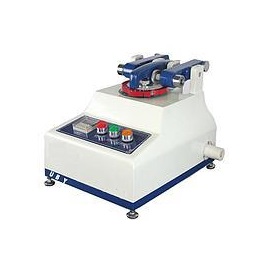
Why calibration matters for abrasion testing
Abrasion testing is commonly used to evaluate how a surface or material responds to friction, rubbing, or repeated contact under controlled conditions. Even small deviations in test parameters can influence the final result, especially when laboratories compare historical data, validate production quality, or work to internal test methods.
Calibration service helps verify that the instrument operates within expected conditions and that key measurement elements remain dependable. For users who also manage other physical test equipment, related services such as furnace calibration may be relevant when broader thermal and materials testing systems need coordinated maintenance planning.
Typical equipment covered in this category
This category is focused on calibration support for abrasion testers from widely used manufacturers in the testing field. Depending on the installed base and application, users may be working with systems from ELCOMETER, TQCSheen, Cometech, KMT, Koehler, Yasuda, JFM, or TONYHK.
Examples of products associated with this category include the Koehler Abrasion Tester and the Cometech Abrasion Tester, along with brand-specific calibration services such as ELCOMETER Abrasion Tester Calibration Service, TQCSheen Abrasion Tester Calibration Service, Yasuda Abrasion Tester Calibration Service, KMT Abrasion Tester Calibration Service, JFM Abrasion Tester Calibration Service, and TONYHK Rubber Abrasion Tester Calibration Service. These references help illustrate the scope of support across different equipment ecosystems rather than serving as a full product list.
What a calibration service typically supports
Although the exact calibration workflow depends on the instrument design and test method, service generally supports verification of the functional and measurement-related aspects that influence abrasion performance. In practice, this may involve checking whether the tester can reproduce controlled operating conditions consistently and whether critical test motions or applied parameters remain stable.
Measurement reliability, traceability, and consistency are the main reasons organizations schedule calibration at regular intervals. This is especially useful in environments where abrasion data is tied to compliance, incoming inspection, material comparison, or product development decisions.
Choosing a suitable service for your equipment
The most practical starting point is to match the service with the brand and type of tester in use. A laboratory running a Koehler Abrasion Tester or Cometech Abrasion Tester may prefer service options aligned with that installed equipment, while users of ELCOMETER, TQCSheen, Yasuda, KMT, JFM, or TONYHK systems may look for calibration support specific to those platforms.
It is also helpful to consider how the instrument is used in the wider lab process. If abrasion testing is part of a packaging, barrier, or physical property evaluation workflow, you may also want to review related services such as water vapor transmission rate test system calibration or oxygen permeation system calibration for a more complete maintenance plan across the lab.
Common applications across industries
Abrasion testers are used in a wide range of quality and R&D environments. Typical applications include evaluating coating durability, comparing rubber or polymer wear characteristics, assessing surface resistance, and supporting material selection where friction-related damage matters in service life.
Because these tests often feed into product acceptance or technical comparison, stable instrument performance becomes essential. Regular calibration can help reduce avoidable variation, improve confidence between operators or test periods, and support more dependable reporting.
Brand-specific options in this category
This category includes calibration services connected to several recognized testing equipment brands. Users looking for equipment and service continuity may consider solutions associated with TQCSheen, Koehler, Cometech, Yasuda, KMT, JFM, and TONYHK, depending on the instruments already in operation.
For teams standardizing around a single supplier ecosystem, manufacturer pages such as Koehler can also be useful for exploring related instruments and support options. Keeping calibration aligned with the actual tester model and usage environment is often the most efficient way to maintain long-term test consistency.
When to schedule calibration
Calibration intervals are typically influenced by usage frequency, internal quality procedures, audit requirements, and the criticality of the test results. Instruments used heavily in production support or formal validation work may need closer attention than units used occasionally for comparative screening.
Many organizations also schedule service after relocation, maintenance work, unusual test drift, or when results no longer align with expected historical trends. In those cases, periodic calibration becomes part of a broader preventive approach rather than a one-time task.
Supporting dependable test results over time
Maintaining abrasion testers is not only about keeping equipment operational. It is about protecting the quality of the data generated by the lab and making sure decisions based on wear testing remain credible. A well-chosen calibration service helps support day-to-day consistency while fitting into the wider management of mechanical and physical test equipment.
If your workflow depends on repeatable abrasion measurements, this category provides a focused place to review service options for major tester brands and related applications. Selecting the appropriate calibration path for your installed equipment can make routine testing easier to manage and results more trustworthy over the long term.
Get exclusive volume discounts, bulk pricing updates, and new product alerts delivered directly to your inbox.
By subscribing, you agree to our Terms of Service and Privacy Policy.
Direct access to our certified experts
