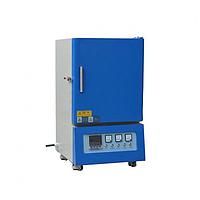
Furnace Calibration Service
Accurate temperature control is essential wherever furnaces are used for drying, heat treatment, materials testing, or laboratory processing. Even a small deviation can affect product quality, repeatability, energy use, and compliance with internal quality procedures. That is why Furnace Calibration Service plays an important role in maintaining confidence in thermal processes across industrial and laboratory environments.
This category focuses on calibration services for furnaces used in testing, research, and production support. Whether the goal is to verify temperature accuracy, compare actual performance against set values, or support routine maintenance programs, calibration helps ensure the equipment continues to operate within the expected range over time.
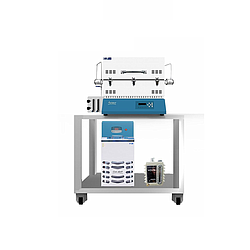
Why furnace calibration matters
A furnace is only as reliable as its actual thermal performance. Over time, sensors, controllers, and heating systems can drift, which may lead to differences between the displayed temperature and the real temperature inside the chamber. In applications involving material conditioning, thermal aging, sample preparation, or heat exposure testing, these differences can directly influence test results and process stability.
Regular calibration helps identify such deviations before they become a larger problem. It supports better traceability, more consistent operation, and stronger confidence in measurement-related workflows. For organizations that rely on documented quality systems, calibration is also a practical part of preventive equipment management rather than a last-minute corrective action.
Typical scope of a furnace calibration service
In practice, furnace calibration is intended to verify how the equipment performs under defined conditions. This commonly involves checking the relationship between the set temperature, the displayed value, and the actual measured temperature within the furnace. The purpose is not just to confirm operation, but to understand whether the furnace remains suitable for its intended use.
Depending on the equipment and service procedure, calibration may help evaluate temperature indication accuracy, stability, and general thermal behavior relevant to the application. For users managing multiple thermal instruments, this service is often part of a broader calibration program alongside related categories such as abrasion tester calibration and discoloration meter calibration.
Common applications across laboratories and industry
Furnaces are used in a wide range of environments, from R&D laboratories to quality control rooms and industrial support processes. They may be involved in sample drying, thermal conditioning, ashing, high-temperature preparation, or controlled heating steps that need repeatable results. In all of these cases, calibration helps reduce uncertainty around the actual thermal conditions applied to the sample or material.
This is especially important when furnace operation is linked to downstream testing or product acceptance. If a thermal preparation step is inconsistent, the variation can carry over into mechanical, physical, or barrier-property evaluations. That is why many facilities review furnace calibration together with services for adjacent test systems such as water vapor transmission rate test systems or oxygen permeation systems.
Supported brands and service examples
This category includes calibration service options for selected furnace brands commonly used in laboratory and industrial settings. Examples available here include service entries for NABERTHERM, Yamato, DaiHan, and WITEG equipment. These brand-specific listings help users quickly identify relevant service references when searching by installed equipment base.
Representative service items in this category include Nabertherm Furnaces Calibration Service, Yamato Furnaces Calibration Service, DaiHan Furnaces Calibration Service, and WITEG Furnaces Calibration Service. These examples are useful as guidance when matching the service to an existing unit, but the real value of the category is the broader support for maintaining furnace accuracy and dependable thermal performance throughout the equipment lifecycle.
How to choose the right calibration service
Choosing the right service starts with a clear view of how the furnace is used. A unit dedicated to routine drying may have different calibration priorities than one used for materials testing or critical laboratory preparation. Users typically consider operating temperature range, frequency of use, process sensitivity, and whether the furnace supports internal quality checks, formal test methods, or regulated workflows.
It is also helpful to review the service history of the equipment and any past deviations between expected and observed results. If operators have noticed temperature inconsistency, extended heat-up times, or unexplained test variation, those symptoms can indicate the need for calibration review. In a structured maintenance program, calibration intervals are usually planned around actual operating risk rather than treated as a one-time event.
Calibration as part of broader equipment reliability
Calibration service is most effective when it is integrated into a wider equipment management approach. Furnaces rarely operate in isolation; they often support testing workflows that depend on multiple instruments performing correctly together. Maintaining thermal equipment accuracy can therefore improve the reliability of the overall laboratory or production support process, not just one device.
For organizations managing several types of test and measurement equipment, this category sits naturally within the wider furnace calibration service framework for mechanical and physical testing environments. A planned calibration program can help reduce unexpected downtime, support more consistent documentation, and improve long-term confidence in process and test outcomes.
When to arrange furnace calibration
Many users schedule calibration at regular intervals, but there are also practical situations where earlier verification makes sense. Examples include equipment relocation, controller replacement, unexpected process variation, or requalification after maintenance. Calibration can also be valuable when introducing a furnace into a new workflow where temperature consistency has a direct impact on quality or test repeatability.
Temperature accuracy is not something most teams want to assume. Periodic verification provides a factual basis for decision-making and helps confirm that the furnace remains aligned with operational needs. For both routine laboratory work and more demanding thermal applications, a properly managed calibration plan supports safer and more dependable use of furnace equipment.
Conclusion
Reliable furnace performance begins with knowing that the temperature the system displays is meaningfully aligned with the temperature the process actually receives. This category brings together relevant service options for furnace calibration, including examples for NABERTHERM, Yamato, DaiHan, and WITEG, while supporting a wider maintenance and quality strategy for thermal equipment.
If your process depends on stable and repeatable heating conditions, selecting an appropriate furnace calibration service is a practical step toward better control, clearer traceability, and more consistent results over time.
Get exclusive volume discounts, bulk pricing updates, and new product alerts delivered directly to your inbox.
By subscribing, you agree to our Terms of Service and Privacy Policy.
Direct access to our certified experts