
Heat seal strength tester Calibration service
Consistent seal performance depends on test results you can trust. When a heat seal strength tester begins to drift, even small measurement errors can affect packaging validation, material comparison, process qualification, and day-to-day quality decisions. A structured Heat seal strength tester Calibration service helps confirm that the instrument is operating within expected limits and that test data remains reliable for technical and compliance-driven workflows.
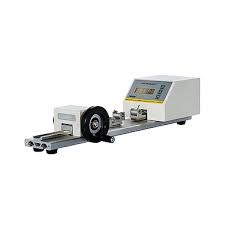
Why calibration matters for heat seal strength testing
Heat seal strength testing is widely used to evaluate the integrity of sealed packaging materials, flexible films, laminates, and related products. Because the test is directly tied to measurable force and controlled mechanical movement, the quality of the result depends on the condition and accuracy of the tester itself. If force indication, travel behavior, or test setup is not properly verified, reported seal strength values may no longer reflect actual material performance.
A proper calibration service supports confidence in routine testing, supplier comparison, and internal quality control. It is especially important in environments where test data is used to approve packaging structures, monitor process stability, or investigate seal failures. In these cases, calibration is not only a maintenance activity but also part of a broader measurement assurance program.
What is typically checked during calibration
The exact scope can vary by instrument design and site requirements, but calibration for a heat seal strength tester generally focuses on the core measurement functions that influence repeatable test results. This often includes verification of the force measurement system, confirmation of mechanical operation, and review of whether the tester performs in a stable and consistent manner under normal use conditions.
For many laboratories and production sites, the goal is to confirm that the instrument remains suitable for seal strength evaluation rather than simply powering on and running a test. That means calibration should address the factors that affect measurement accuracy, repeatability, and traceability. If issues are found, they can be identified before they lead to questionable data or unnecessary product investigation.
When to schedule heat seal strength tester calibration
Calibration intervals are usually determined by internal quality procedures, usage frequency, product criticality, and past instrument history. A tester used heavily in production support or packaging qualification may need more frequent attention than a unit used only for occasional checks. Calibration is also advisable after relocation, repair, unexpected impact, unstable readings, or whenever there is doubt about result consistency.
In practice, companies often align calibration with annual quality system reviews or broader test equipment management cycles. If your team also relies on related verification activities for packaging and physical property testing, it can be useful to coordinate service planning with other instruments such as an oxygen permeation system calibration service or an water vapor transmission rate test system calibration service when these devices support the same packaging evaluation workflow.
Who benefits from this service
This service is relevant for quality laboratories, packaging development teams, converters, film manufacturers, medical packaging operations, food and beverage packaging facilities, and other industrial users that depend on measurable seal performance. Any organization that compares seal strength across samples, lots, or production conditions can benefit from regularly calibrated equipment.
It is also valuable for sites working under documented quality systems where traceable results are expected. Reliable calibration records can support internal audits, customer requirements, and a more controlled approach to equipment lifecycle management. Even where formal accreditation is not the main driver, verified measurement performance helps reduce uncertainty in technical decision-making.
How calibration supports better testing decisions
When a heat seal strength tester is properly calibrated, teams can interpret changes in test data with greater confidence. This is particularly important when evaluating new packaging materials, adjusting sealing parameters, or troubleshooting seal failure modes. If the tester itself is stable and verified, differences in results are more likely to reflect real changes in material or process behavior.
Calibration also helps separate instrument-related issues from genuine product variation. That can save time during root-cause analysis and reduce the risk of overcorrecting a process based on questionable data. In testing environments where multiple physical property instruments are used together, calibration consistency across the lab becomes even more important. For example, companies may also manage services such as abrasion tester calibration or discoloration meter calibration as part of a broader quality assurance framework.
Key points to consider before booking service
Before arranging calibration, it is useful to confirm the tester model, current operating condition, recent repair history, and any specific concerns observed by operators. Information about abnormal readings, fixture wear, inconsistent force behavior, or software-related issues can help define the most appropriate service scope. Clear communication is especially helpful when the instrument supports regulated or customer-facing test programs.
You may also want to review internal acceptance criteria, required documentation, and downtime planning. For many facilities, calibration is most effective when it is integrated into a scheduled equipment control process rather than handled only after a problem appears. This approach improves continuity in testing and supports more predictable quality performance over time.
Supporting reliable packaging and materials evaluation
Seal strength data often sits at the intersection of product quality, packaging performance, and process control. Because of that, confidence in the tester is essential. A well-planned heat seal strength tester calibration program helps maintain dependable measurement performance and supports more consistent evaluation of sealed materials and packaging assemblies.
Whether the instrument is used for development, routine inspection, or investigation work, regular calibration is a practical step toward better data integrity. Choosing service at the right interval helps reduce uncertainty, strengthens quality documentation, and keeps the tester aligned with the demands of real-world mechanical and physical testing.
Get exclusive volume discounts, bulk pricing updates, and new product alerts delivered directly to your inbox.
By subscribing, you agree to our Terms of Service and Privacy Policy.
Direct access to our certified experts