
Salt Spray, Corrosion testing Chamber Calibration Service
Reliable corrosion testing depends on more than chamber operation alone. When salt spray and related corrosion chambers drift out of tolerance, test conditions can shift in ways that affect repeatability, product qualification, and confidence in long-term durability results. A well-planned Salt Spray, Corrosion testing Chamber Calibration Service helps keep these systems aligned with the intended test environment and supports more consistent laboratory practice.
This category is intended for organizations using corrosion chambers in material testing, coating evaluation, quality control, and product development. Whether the equipment is used for routine salt spray exposure or broader cyclic and sulfur dioxide corrosion methods, calibration plays an important role in verifying chamber performance, identifying deviations early, and maintaining dependable test workflows.
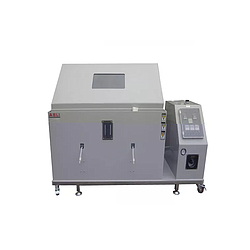
Why calibration matters for corrosion test chambers
Corrosion testing chambers are designed to reproduce controlled environmental conditions that accelerate material degradation. In practice, even small deviations in temperature behavior, spray delivery, timing, or chamber uniformity can influence how test specimens respond. Calibration helps confirm that the chamber is operating within the expected range for meaningful comparison and documentation.
For laboratories and manufacturers, this is not only a maintenance concern but also a quality issue. A documented calibration service supports traceability, improves confidence in internal test data, and helps reduce the risk of making decisions based on unstable chamber conditions. It is especially relevant when test results are used for supplier approval, incoming inspection, product validation, or failure analysis.
Equipment covered in this category
This category covers calibration services for salt spray and corrosion-related test chambers used in mechanical and physical testing environments. It can include standard salt spray systems as well as related chamber types used for more specialized corrosion exposure methods, such as sulfur dioxide and cyclic corrosion testing, where stable and verified operating conditions are equally important.
Representative services in this category include the Cometech Salt Spray Tester Calibration Service, the KMT Salt Spray Test Chamber Calibration Service, the C&W Sulfur Dioxide Test Chamber Calibration Service, and the JFM Cyclic corrosion test chamber Calibration Service. These examples illustrate the range of equipment supported across different corrosion test setups rather than suggesting a single chamber format.
Typical points checked during calibration
The exact scope depends on the chamber design and the intended test method, but calibration generally focuses on the operating conditions that directly affect test validity. For corrosion chambers, this often involves verifying core environmental and control parameters that influence specimen exposure over time.
- Temperature-related performance within the chamber or relevant zones
- Spray or exposure condition consistency based on the chamber’s operating principle
- Controller indication and actual chamber response
- Timing functions used for exposure and test sequence control
- General chamber condition that may affect repeatability and test stability
In many labs, corrosion testing sits alongside other environmental and physical test processes. Where broader verification is needed, related services such as furnace calibration service may also be relevant for thermal equipment used elsewhere in the same quality system.
Choosing the right service for your chamber type
Not every corrosion chamber operates in the same way, so calibration should match the actual test equipment in use. A standard salt spray chamber may require a different verification focus than a sulfur dioxide chamber or a cyclic corrosion system with programmed exposure stages. Understanding the test principle is essential when selecting the right service scope.
Users working with equipment from Cometech, KMT, C&W, JFM, or MStech may want to review service options based on chamber configuration, control architecture, and test usage frequency. If the chamber supports qualification testing for coated metals, automotive components, plated parts, or industrial hardware, calibration intervals and documentation quality become especially important for maintaining consistent records.
When to arrange calibration
Calibration is commonly scheduled at routine intervals, but there are other situations where it should be considered sooner. Changes in chamber behavior, unexpected test variation, controller replacement, relocation, repair work, or extended heavy use can all be signs that verification is needed. Acting before results become questionable can save time, material, and repeated testing.
For organizations managing multiple laboratory systems, calibration planning is often easier when services are grouped by test function. For example, teams that also handle barrier or packaging evaluation may coordinate corrosion chamber verification alongside water vapor transmission rate test system calibration service or oxygen permeation system calibration service as part of a broader equipment control program.
Examples of supported service options
Several product entries in this category represent calibration support for corrosion-related equipment from established manufacturers. Examples include the MStech Salt Spray Corrosion test Chambes Calibration Service, Cometech Salt Spray Tester Calibration Service, C&W Sulfur Dioxide Test Chamber Calibration Service, JFM Cyclic corrosion test chamber Calibration Service, and KMT Salt Spray Test Chamber Calibration Service.
These listings are useful when you already know the equipment brand or chamber type you need to service. They also help narrow selection for facilities standardizing calibration planning across multiple corrosion test platforms. Rather than treating every chamber the same, the goal is to match the service to the actual testing method and equipment application.
Supporting consistent testing and better decision-making
Corrosion test data is often used to compare coatings, materials, finishes, and product durability under accelerated exposure conditions. When chamber performance is verified regularly, the resulting test process becomes more dependable for trend analysis, acceptance decisions, and engineering review. That makes calibration a practical part of laboratory risk control, not just a periodic checklist item.
If you are selecting a service within this category, start with the chamber type, the way the equipment is used, and the level of documentation your quality process requires. A suitable corrosion chamber calibration approach can help maintain stable test conditions, improve confidence in reported results, and support smoother operation across your testing environment.
Get exclusive volume discounts, bulk pricing updates, and new product alerts delivered directly to your inbox.
By subscribing, you agree to our Terms of Service and Privacy Policy.
Direct access to our certified experts
