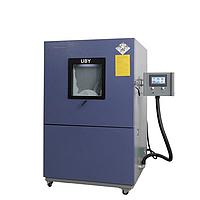
Sand and Dust Test Chamber Calibration Service
Reliable environmental testing depends on more than chamber operation alone. When a chamber is used to evaluate resistance to dust ingress, enclosure performance, or product durability under particulate exposure, calibration helps confirm that the test environment remains consistent, traceable, and suitable for repeatable results. That is why Sand and Dust Test Chamber Calibration Service is an important part of quality control for laboratories, manufacturers, and testing facilities.
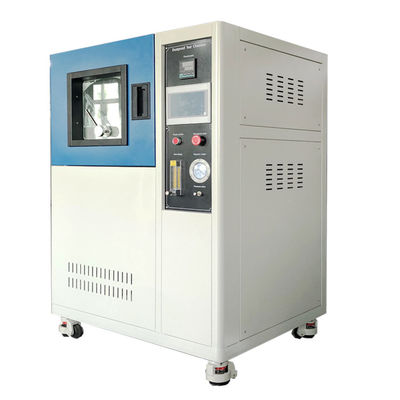
Why calibration matters for sand and dust chambers
Sand and dust test chambers are typically used in product validation, incoming inspection, and reliability testing where controlled particulate exposure is required. Over time, normal use, maintenance activity, component aging, and environmental conditions can affect how accurately the chamber performs. Calibration supports confidence in the test process by checking whether key operating conditions remain aligned with intended test requirements.
For organizations working with internal quality systems or customer-specific test procedures, calibration traceability can also be essential for documentation and audit readiness. A properly managed calibration schedule helps reduce uncertainty, improve consistency between test cycles, and support more dependable comparisons across batches, products, or test periods.
What this service typically supports in practice
A sand and dust chamber calibration service is relevant wherever dust exposure testing influences product acceptance or engineering decisions. This may include industrial components, electrical enclosures, mechanical assemblies, consumer devices, automotive parts, and other products that must be evaluated under defined environmental stress conditions.
In practical terms, the service helps users verify that the chamber is operating as expected for routine testing and long-term use. It is especially valuable when the equipment is used for compliance-oriented workflows, customer reporting, or comparative testing programs where stable performance and documented measurement control are important.
Coverage across common chamber brands
This category includes calibration support for equipment from several established manufacturers, including Climatest Symor, Lisun, YuYang, ASLI, ACE, and Uby Tech. Brand coverage is useful because test labs and manufacturers often operate mixed equipment fleets, especially when chambers have been purchased over different project phases or for different test standards.
Examples listed in this category include the Uby Tech Sand and Dust Test Chamber Calibration Service, YuYang Sand and Dust Test Chamber Calibration Service, ASLI Sand and Dust Test Chamber Calibration Service, ACE Sand and Dust Test Chamber Calibration Service, Lisun Dust-proof Test Chamber Calibration Service, and Symor Dust-proof Test Chamber Calibration Service. These examples illustrate the scope of supported equipment rather than limiting the category to a single chamber configuration or user environment.
When to consider recalibration
Calibration should not be viewed as a one-time activity. Many users review chamber calibration at planned intervals, after relocation, following repair or maintenance, or when test results begin to show unexplained variation. Recalibration can also be appropriate before major customer audits, new product qualification programs, or validation projects where documented equipment status is required.
Another common trigger is a change in testing intensity. If a chamber is being used more frequently, under tighter schedules, or across multiple shifts, periodic verification becomes more important. A structured equipment calibration service approach helps reduce the risk of using a chamber whose performance may have drifted over time.
How to choose the right calibration service
When selecting a calibration service for a sand and dust test chamber, it helps to start with the role of the chamber in your process. If the equipment is tied directly to product release, qualification, or formal reporting, you may need a service workflow that supports stronger documentation and clearer records for internal quality systems. If the chamber is used mainly for engineering development, the focus may be on maintaining stable performance and identifying deviations early.
It is also useful to confirm alignment with the chamber manufacturer and equipment type. For example, users operating chambers from YuYang or ASLI may want service support that reflects the actual model ecosystem in use. Where facilities manage several types of physical testing equipment, it can also be practical to coordinate related services such as furnace calibration or abrasion tester calibration within the same maintenance planning cycle.
Benefits for labs, QA teams, and production environments
For laboratories, calibration helps support repeatable environmental simulation and more defensible test records. For quality teams, it improves control over instruments that influence inspection and validation outcomes. For production and engineering organizations, it contributes to smoother troubleshooting by reducing uncertainty about whether inconsistent results are caused by the product under test or the chamber itself.
In broader operational terms, regular calibration can support process stability, reduce retesting caused by questionable chamber performance, and make it easier to maintain documented oversight of critical test assets. This is especially relevant in B2B environments where equipment history, maintenance records, and test credibility all affect customer trust and internal decision-making.
Choosing from the services in this category
The services listed here provide a practical starting point for facilities using sand and dust or dust-proof chambers from major supported brands. Whether the requirement is tied to periodic maintenance, quality assurance, or preparation for a new testing program, this category helps users identify calibration options matched to their installed equipment base.
If your organization relies on particulate exposure testing as part of product validation, keeping chamber performance under control is a sensible step toward more reliable results. Reviewing the available services in this category can help you select the right calibration path for your chamber brand, usage pattern, and documentation needs.
Get exclusive volume discounts, bulk pricing updates, and new product alerts delivered directly to your inbox.
By subscribing, you agree to our Terms of Service and Privacy Policy.
Direct access to our certified experts